
bridal makeup for oily skin is a challenge many brides face, but with the right techniques it can be mastered to keep your glow intact all day long.
bridal makeup for oily skin: common pitfalls
Many brides instinctively reach for high‑coverage foundations and heavy blushes, thinking they will cover oiliness. In reality, these products often exacerbate shine, leading to a greasy, cakey finish that looks unflattering under bright lights. The key is to build a lightweight, matte base that controls excess sebum while preserving a natural, radiant complexion.
oily skin wedding makeup tips
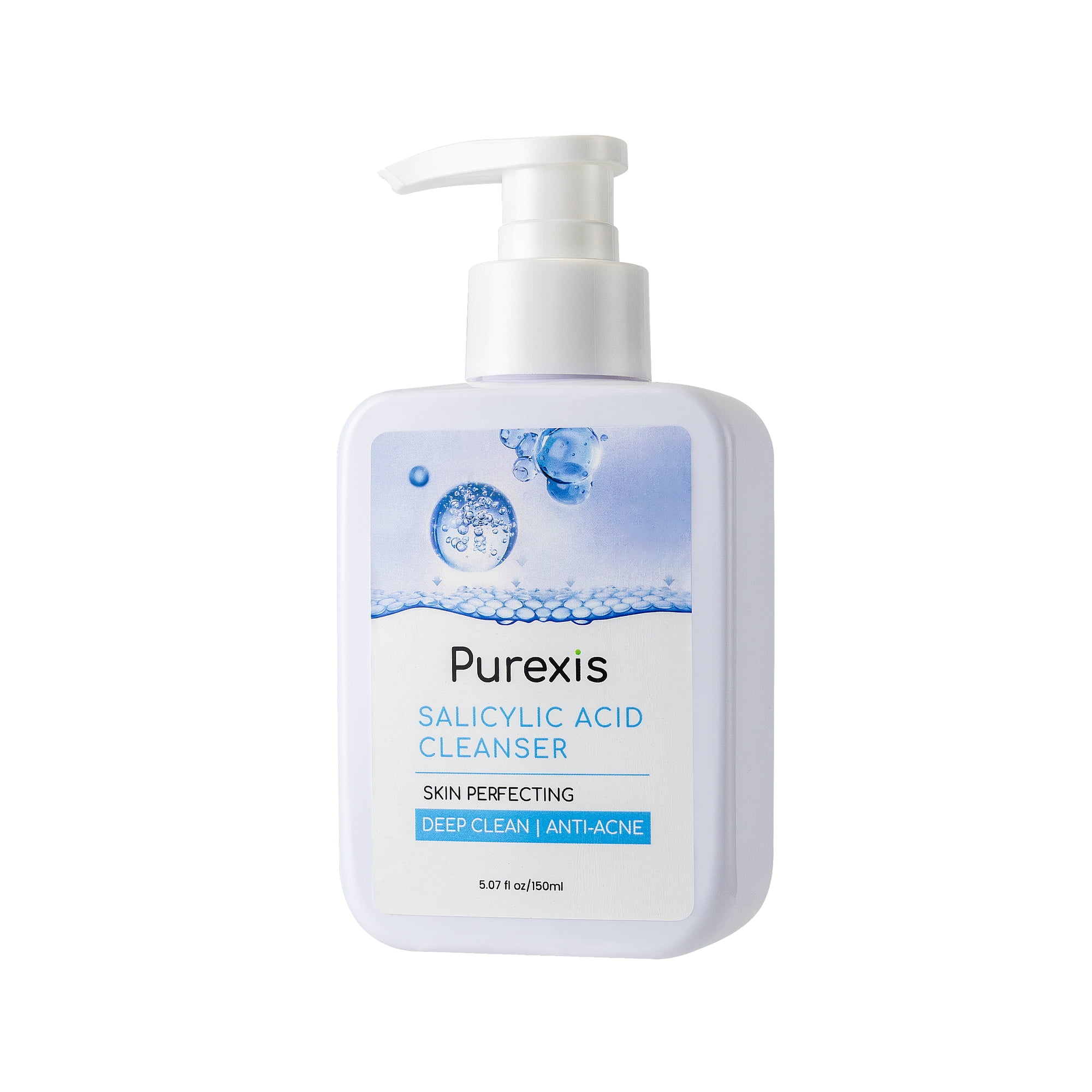
- Start with a clean, oil‑free canvas: Use a gentle cleanser and a lightweight, non‑comedogenic moisturizer to hydrate without adding shine.
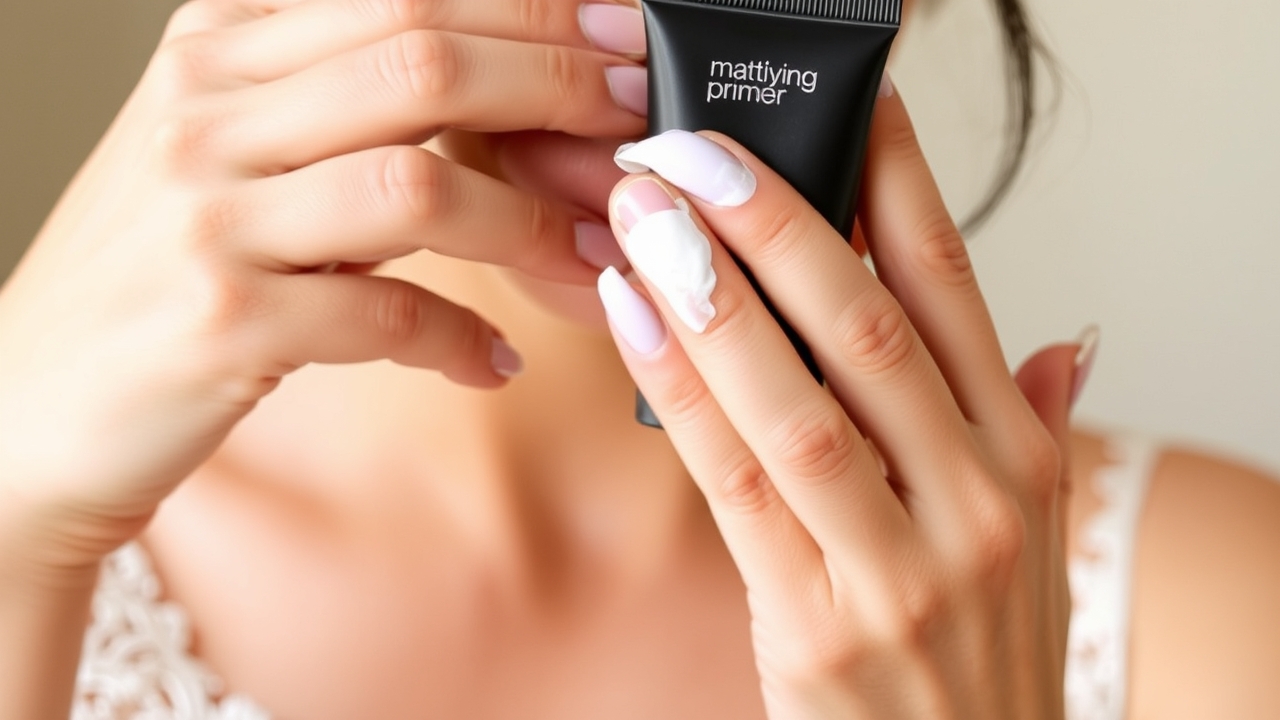
- Apply a mattifying primer: This step creates a smooth surface and locks in powder, preventing the foundation from sliding.
- Choose a translucent or matte foundation: Avoid satin or dewy finishes; instead, opt for a foundation that offers a natural, shine‑free look.
- Set with a fine dusting of translucent powder: Use a fluffy brush for a light, even coat that minimizes shine.
- Use oil‑control concealer: For under‑eye circles or blemishes, select a concealer that offers coverage without adding shine.
- Keep the lip area dry: Apply a matte lip liner and finish with a long‑wear matte lip color to prevent the lipstick from sliding.
- Carry blotting papers: Throughout the day, gently blot excess oil without disturbing the makeup.
matte bridal makeup techniques
Matte bridal makeup is the cornerstone for oily skin wedding makeup. A matte finish not only controls shine but also gives the skin a polished, photo‑ready look. When selecting products, look for ingredients such as silica or kaolin clay that absorb oil and provide a silky finish.


makeup for oily bride: do’s and don’ts
- Do: Use a primer, choose matte foundations, set with translucent powder, and carry blotting sheets.
- Don’t: Skip the primer, use heavy, shimmery products, or over‑apply powder, which can lead to a dusty appearance.
shine free wedding makeup hacks
A simple yet effective hack is to use a mattifying setting spray after all powder steps. This final layer seals the makeup, creating a long‑lasting, shine‑free finish that resists humidity and sweat.
For more detailed information on skin types, the Oily skin article provides a comprehensive overview of causes and treatments, which can help you tailor your routine.
Step‑by‑Step Guide to a Matte Bridal Look
1. Prep with a mattifying cleanser and moisturizer
Begin by cleansing your face with a gentle, oil‑free cleanser. Follow with a lightweight gel moisturizer that hydrates without adding shine. Pat, don’t rub, to avoid stimulating oil production.
2. Apply a mattifying primer
Focus on the T‑zone—forehead, nose, and chin—where oil tends to accumulate. A pea‑size amount of primer, spread with a damp beauty sponge, creates a smooth base and helps the foundation adhere.
3. Choose the right foundation
A translucent or matte foundation in a shade that matches your natural undertone is essential. Apply with a damp beauty sponge or a stippling brush in thin layers, building coverage gradually to avoid a heavy finish.
4. Conceal strategically
Use a concealer that matches your foundation for under‑eye circles and blemishes. Pat gently with a fingertip or a small brush, and set with a light dusting of translucent powder.
5. Define the eyes with a matte palette
For the eyes, choose matte eyeshadows in neutral or soft metallic tones. Avoid high‑luster or glittery finishes, which can reflect light and create shine. Use a matte eyeliner to sharpen the lash line and a waterproof mascara to prevent smudging.
6. Add blush mow for a natural flush
Opt for a matte blush in a shade that complements your skin tone. Apply with a fluffy brush to the apples of your cheeks, blending outward for a seamless finish.
7. Finish the face with a setting spray
After all powder steps, mist a mattifying setting spray across the face. This seals the makeup and provides a lasting shine‑free finish that withstands the heat and humidity of a wedding day.
8. Nail down the lips
Apply a matte lip liner to define the shape, then fill with a long‑wear matte lipstick. Finish with a translucent lip gloss for a subtle sheen that doesn’t compromise the matte look.
9. Blot throughout the day
Keep a small packet of blotting papers in your purse. Gently blot the T‑zone and any areas that start to look shiny, and reapply a light dusting of translucent powder if needed.
10. Reapply strategically if necessary
In case of a long ceremony or outdoor event, carry a compact of translucent powder and a small makeup sponge. Lightly touch up the face to keep the matte finish intact.
Choosing Products That Work for Oily Skin
When selecting makeup for oily bride, look for products labeled “oil‑control,” “matte,” or “long‑wear.” Ingredients such as silica, kaolin clay, and dimethicone help absorb excess oil and provide a smooth finish. Avoid products with heavy oils or silicone blends that can clog pores and increase shine.
Real‑World Test: A Bridal Trial
To illustrate the effectiveness of these steps, consider a recent trial with a bride who has naturally oily skin. She followed the 7‑step matte routine, including a mattifying primer and setting spray. Throughout a 12‑hour ceremony, she reported minimal shine and no need for touch‑ups beyond blotting. Her final look remained flawless under bright lights and reflected minimal oiliness.
When to Seek Professional Help
If you struggle to keep your makeup matte despite following these steps, consider consulting a professional makeup artist. They can assess your skin type, recommend suitable products, and perform a trial run to ensure the final look meets your expectations.
Understanding Your Skin Type
Before diving into products, identify whether your skin is truly oily, combination, or simply prone to shine. Oily skin typically shows excess sebum across the entire face, especially the T‑zone, and may develop enlarged pores. Combination skin has an oily T‑zone but dry or normal cheeks. Knowing this helps you avoid over‑ or under‑applying oil‑control products.
How to Test Your Skin
- Use a blotting paper after washing your face. If the paper picks up oil from the forehead, nose, and chin, you have an oily T‑zone.
- Check for shine after 2–3 hours of normal activity; persistent shine indicates a need for stronger mattifying steps.
Choosing the Right Primer
Primers are the unsung heroes of a matte bridal look. Look for those with:
- Silica or kaolin clay: These minerals absorb oil and create a smooth canvas.
- Lightweight, oil‑free formulas: Heavy primers can clog pores and add shine.
- Build‑up formula: Some primers allow layering for extra control without a heavy feel.
Foundation Application Techniques
Matte foundations can still feel “|dry” if applied incorrectly. Use these techniques to maintain a natural finish:
- Start thin: Apply a 1–2 mm layer, then blend. This prevents a cakey look.
- Use a damp sponge: The sponge’s texture helps diffuse the foundation into the skin.
- Blend along the hairline: This ensures a seamless transition between the forehead and jawline.
- Set only where needed: Apply powder sparingly to the T‑zone; over‑powdering can cause a dusty appearance.
Blotting Paper Hacks
Blotting papers are your best friend during the ceremony. Here’s how to use them effectively:
- Gentle pressure: Press lightly to avoid disturbing the makeup.
- Spot blotting: Focus on the T‑zone, cheeks, and jawline.
- Reapply powder: If the paper pulls off powder, lightly dust a fresh layer of translucent powder.
- Carry a second sheet: For quick touch‑ups during the reception.
Long‑Lasting Lip Strategies
Lip color can be a challenge for oily skin because excess sebum can cause lipstick to slide. Try these tips:
- Prep with a matte lip balm: This removes excess oil and creates a smooth base.
- Use a lip liner that matches your shade: This prevents feathering and extends longevity.
- Apply a matte lipstick in thin layers: Build intensity gradually.
- Finish with a translucent lip gloss: Adds a subtle sheen without compromising the matte look.
- Carry a small blotting paper: For quick touch‑ups if the lipstick starts to smear.
Final Touches and Touch‑Ups
As the day progresses, small adjustments can keep your look fresh:
- Refresh the eyes: Reapply a light coat of waterproof mascara if lashes appear dull.
- Re‑blot the T‑zone: Keep shine at bay with gentle blotting.
- Re‑apply a translucent powder: Lightly dust over the face to maintain control.
- Touch up the lip: Apply a small amount of matte lipstick if it fades.
Professional vs DIY
While many brides prefer a DIY routine, consider a professional touch for:
- High‑pressure venues where humidity can wreak havoc.
- Long ceremonies where multiple touch‑ups are required.
- Complex looks that require precise blending.
Professional artists often have access to premium mattifying products and can perform a trial run to ensure your skin stays shine‑free.
Real Bride Stories
Jane, a bride with combination skin, used a silicone‑free primer and a translucent foundation. She carried a small bottle of blotting paper and a compact of powder. During her 14‑hour ceremony, she noted that her makeup stayed matte until the reception’s dance floor, where a quick blot and powder touch‑up kept her glow intact.
Maria, who has truly oily skin, switched to a matte foundation with silica and a mattifying setting spray. She also used a lightweight, oil‑free moisturizer. Her makeup never required a full touch‑up, and her photos show a flawless, shine‑free complexion.
Conclusion
bridal makeup for oily skin doesn’t have to be a daunting task. By prioritizing preparation, choosing the right matte products, and employing strategic setting techniques, you can achieve a shine‑free, long‑lasting finish that keeps you looking radiant from the aisle to the after‑partyino. For more inspiration and tips, visit My Bridal Times and explore a wealth of bridal beauty advice tailored to every skin type.
FAQ
- bridal makeup for oily skin: what is the best foundation? A matte or translucent foundation that matches your undertone, with ingredients like silica or kaolin clay for oil control.
- How often should I reapply powder during a wedding day? Lightly touch up every 2–3 hours with a translucent powder, focusing on the T‑zone and any shiny areas.
- Can I use a dewy foundation on oily skin? It’s best to avoid dewy finishes; they tend to enhance shine and can cause a greasy look under bright lights.
- Is a setting spray necessary for oily skin? Yes, a mattifying setting spray seals the makeup and extends wear, especially in humid or hot conditions.
- What’s a quick fix for unexpected shine? Blot with a paper and lightly dust translucent powder; avoid rubbing to prevent disturbing the base.
- Should I use a separate lip balm before applying lipstick? Yes, a matte lip balm removes excess oil and provides a smooth base for long‑wear lipstick.
Leave a Reply