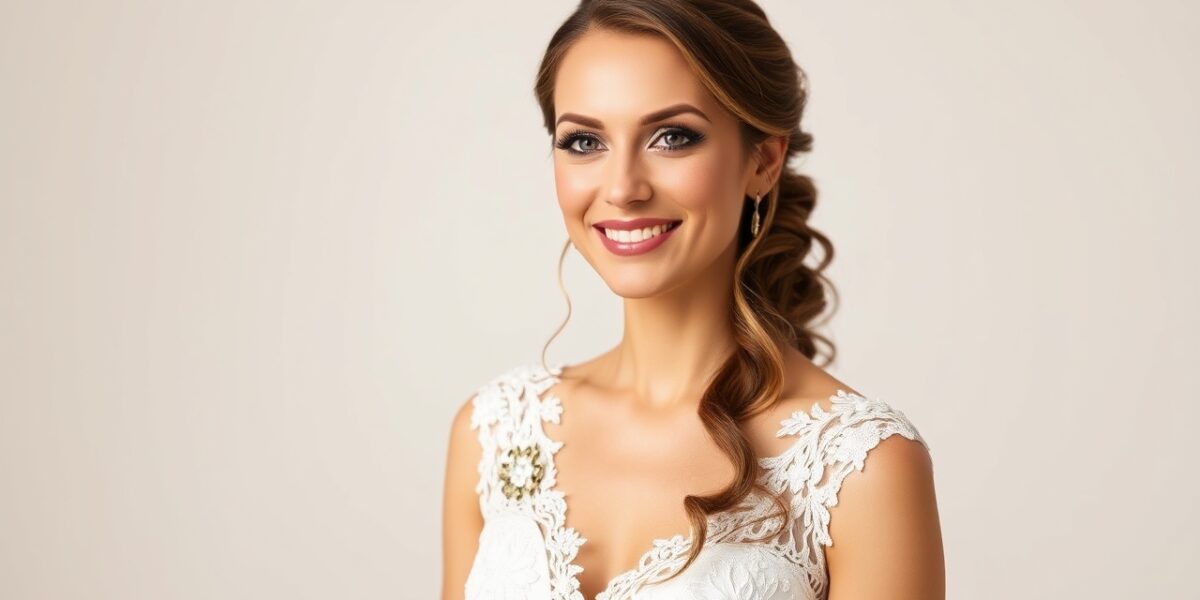
Bridal hair and makeup timeline is the backbone of a stress‑free wedding morning. When every minute is accounted for, you can focus on the joy of the day rather than the frantic rush that often follows a rushed schedule. Below is a comprehensive guide that walks you through each phase, from the first sip of coffee to the final touch of glitter on the bouquet.
Bridal Hair and Makeup Timeline: Your Step‑by‑Step Blueprint
The heart of any successful wedding morning lies in a well‑structured plan. A bridal hair and makeup timeline ensures that you, your hair stylist, and your makeup artist are perfectly synchronized. It also gives you a safety net for unexpected delays, such as a last‑minute hair adjustment or a makeup touch‑up after a quick photo session.
Wedding Beauty Schedule: How to Organize Your Morning
Think of your wedding beauty.batch as a series of checkpoints. Each checkpoint should have a clear start and finish time, a designated team member, and a backup plan. Below is a typical schedule broken down by hour and key activity.


- 5:30 AM – Arrival – The hair and makeup team arrives, sets up the workstation, and checks all supplies.
- 6:00 AM – Pre‑Hair Prep – The stylist cleans the hair with a gentle shampoo and applies a light conditioner.
- 6:30 AM – Hair Styling – The main style is executed, whether it’s a classic updo or a romantic braid.
- 7:30 AM – Makeup Prep – The makeup artist starts with a primer, followed by foundation and contour.
- 8:30 AM – Final Touches – Setting spray, lip color, and a quick check with the photographer.
- 9:00 AM – Final Walk‑through – The bride does a last‑minute check in the mirror, and the team makes any final adjustments.
- 9:15 AM – Departure to the ceremony venue – The bride exits the prep area, ready to walk down the aisle.
Bridal Prep Timeline: The 9‑Step Process
Below is a more granular timeline that can be adjusted based on your start time. The key is to keep the buffer times flexible, allowing you to stay calm if something takes longer than expected.
- Set a pre‑morning routine that includes staying hydrated and eating a light breakfast.
- Confirm the arrival time with your hair and makeup team.
- Do a quick skin cleanse and apply a light moisturizer.
- Hair wash and conditioning (30 minutes).
- Drying and basic styling (20 minutes).
- Makeup primerblur and foundation (20 minutes).
- Eye makeup and blush (15 minutes).
- Setting spray and final touch‑ups (10 minutes).
- Final mirror check and lip color (5 minutes).
- Leave for the ceremony (5 minutes).
Why a Bridal Hair and Makeup Timeline Matters
Creating a bridal hair and makeup timeline offers several tangible benefits:
- Time Management – With a clear schedule, you avoid last‑minute surprises.
- Stress Reduction – Knowing exactly what to expect lets you focus on the joy of the day.
- Budget Control – A timeline helps you allocate your time to the most important tasks, preventing costly overtime.
- Team Coordination – Hair and makeup artists can work in harmony, reducing overlapping or missed steps.
Getting Ready Order: What Comes First?
The order of operations is crucial. Start with hair first because it is time‑consuming and can be affected by humidity. Then move to makeup. This order also allows the makeup artist to see the hair style and adjust the look accordingly.
Step‑by‑Step Breakdown of the Morning
5:30 AM – Set Up
Before the bride arrives, the hair and makeup team should set up a dedicated area: a reclining chair, a mirror, a lamp, and all the necessary tools. This prep stage is also a good time to test the lighting for the photoshoot.
6:00 AM – Hair Wash & Conditioning
Use a sulfate‑free shampoo to preserve the natural oils of the hair. After washing, apply a lightweight conditioner that won’t weigh down the style. Pat dry with a towel before moving to the styling station.
6:30 AM – Styling
For a classic updo, start with a low ponytail and secure it with a hair elastic. Use bobby pins to lock in the shape. If you prefer a braid, weave the braid into the style and finish with a subtle spray.
7:30 AM – Makeup Prep
Begin with a primer that matches your skin tone. Apply foundation with a damp sponge for a dewy finish. Contour lightly under the cheekbones and jawline for a sculpted look.
8:30 AM – Eyes & Lips
Apply a neutral eyeshadow, a winged liner, and mascara. Finish with a soft blush. For the lips, a tinted balm or a subtle lipstick will complement the overall look. Use a setting spray to lock everything in place.
9:00 AM – Final Touches
Check the overall look in a full‑length mirror. Make any necessary adjustments. Have a quick look at the hair to ensure no stray hairs remain. Put on the final accessories—earrings, necklace, veil—and you’re ready.
Common Pitfalls & Solutions
Even with a solid timeline, unforeseen hiccups can arise. Here are some common issues and how to address them:
- Dry Hair – Use a lightweight leave‑in conditioner or a small amount of hair oil before styling.
- Layouts on the Face – Test the makeup on a small area before applying it fully.
- Time Overruns – Keep a stopwatch or a phone timer to monitor each step.
- Last‑Minute Changes – Have a backup look ready in case you need a quick switch.
Final Checklist Before the Ceremony
- Hair: No loose strands, style intact.
- Makeup: No smudges, setting spray applied.
- Accessories: All in place, no loose jewelry.
- Fitness: Hydrated, light snack taken.
- Mindset: Take a few deep breaths and smile.
FAQ
What is the best bridal hair and makeup timeline for a 9 a.m. ceremony?
Start the hair wash at 5:30 a.m., styling by 6:30 a.m., makeup by 7:30 a.m., and finish with final touches by 8:45 a.m. This gives a 15‑minute buffer before the ceremony.
How long should I allocate for hair styling?
On average, 45‑60 minutes is enough for most styles, but complex updos may require up to an hour.
Can I skip the primer in my makeup routine?
Primer helps makeup last longer and can smooth uneven skin tones. It’s recommended, especially if you have oily skin.
What should I do if my hair gets frizzy in humid weather?
Use a leave‑in conditioner or a small amount of anti‑frizz serum before styling. Finish with a light hairspray to keep the style intact.
Is it okay to have a makeup touch‑up before the ceremony?
Yes, a quick touch‑up with a setting spray or a light powder can refresh the look and keep it fresh during the ceremony.
Choosing the Right Professionals
Hair Stylist Selection
When you’re booking a stylist, look for a portfolio that showcases the exact style you desire—be it a vintage updo or a modern braided crown. Ask for references from past brides who had similar hair types and wedding settings. A stylist who has experience with your venue’s humidity levels can pre‑empt frizz or flyaways.
Makeup Artist Selection
A skilled makeup artist should offer a trial session at least two weeks before the wedding. This session allows you to test foundation shades, eye looks, and longevity under different lighting conditions. Preferably, choose an artist who has worked with brides who have similar skin tones and sensitivities to ensure a flawless match.
Pre‑Wedding Beauty Prep
Skin Care Routine
Begin a gentle cleansing routine 4–6 weeks before the big day. Exfoliate once a week with a mild scrub, and use a hydrating serum. On the day, apply a lightweight moisturizer with SPF to protect against sun exposure during pre‑shoots.
Hair Care Routine
In the weeks leading up to the wedding, avoid harsh chemicals and heat styling. Instead, use protein treatments once a month to strengthen strands. On the morning of the wedding, keep hair damp with a spray bottle to reduce static and allow the stylist to work more efficiently.
The Role of the Bridal Party
Support Roles
Assign a bridesmaid to handle the veil or a friend to manage the bouquet. A trusted confidante can also serve as a “timekeeper,” reminding the bride of upcoming steps and ensuring the schedule stays on track.
Emergency Kit Essentials
Must‑Have Items
- Mini hairspray and a small comb for quick touch‑ups.
- Blotting sheets to control shine without smudging makeup.
- Small makeup sponge for last‑minute contour or blush adjustments.
- Portable mirror to check the look from different angles.
- Extra lip color or balm for a quick refresh.
Post‑Ceremony Beauty Care
Restoring Your Look
After the ceremony, use a gentle cleanser to remove sweat and makeup residue. Follow with a hydrating mask and a light oil to replenish moisture. If you plan to stay in the venue for a reception, a quick re‑application of setting spray can keep your look fresh for hours.
Real Bride Stories
Case Study 1: The Beach Bride
Maria, a beach wedding bride, scheduled her hair wash at 5:00 AM to account for the high humidity. Her stylist used a silicone‑based anti‑frizz serum, and the makeup artist chose a dewy foundation that stayed intact in the salty breeze. The result? A flawless look that lasted through sunset photos.
Case Study 2: The Evening Gown Bride
Elena’s ceremony began at 6:00 PM. She started her morning prep at 3:00 AM, allowing ample time for a full‑length veil application. Her makeup artist used a long‑wear foundation with a matte finish, ensuring the glow didn’t fade under the evening lights.
Tips for Different Skin Types
Oily Skin
Use a mattifying primer and a setting powder to control shine. Opt for a long‑wear foundation and a waterproof mascara to prevent smudging during the ceremony.
Dry Skin
Apply a hydrating primer and a dewy foundation. Finish with a nourishing lip balm and a high‑luminance blush to add dimension without drying the skin.
Time Management Hacks
Use of Apps
Apps like “Wedding Planner” or “Timer” allow you to set multiple countdowns for each step. Share the schedule with your team via a shared document so everyone stays in sync.
Buffer Times
Incorporate 10‑minute buffers between major steps. If a hair style takes longer, the makeup artist can start prepping the base while waiting for the final hair touch‑up.
Budgeting for Beauty
Cost Breakdown
Typical costs: Hair – $200–$400; Makeup – $150–$300; Emergency kit – $30–$50. Allocate at least 15% of your total wedding budget to beauty to ensure you get professional services and a backup plan.
Cultural Considerations
Traditional Looks
Many cultures incorporate specific hair accessories, such as jasmine garlands or henna designs. Discuss these traditions with your stylist to integrate them seamlessly into the overall look.
For more in‑depth tips on wedding beauty, visit our guide on My Bridal Times. And if you’d like to learn more about the history and cultural significance of weddings, check out the wedding page on Wikipedia.
Leave a Reply