Blog

  • How to Save Money on Wedding Flowers: 12 Pro Secrets From a Florist

    How to Save Money on Wedding Flowers: 12 Pro Secrets From a Florist

    Planning a wedding is a balancing act between a dream vision and a realistic budget. As a florist, I often see couples feel overwhelmed by the costs of floral arrangements. However, beautiful wedding flowers don’t always require a six-figure price tag. By understanding how the industry works and where the “hidden” costs lie, you can achieve a high-end look without the luxury markup.

    The secret isn’t just about buying cheaper flowers; it’s about strategic design and working with nature rather than against it. Here are 12 professional secrets to help you save money on your wedding flowers while keeping your celebration looking lush and elegant.

    1. Stick to Seasonal Blooms

    This is the golden rule of floral design. When flowers are in season, they are at their peak quality and their lowest price. If you insist on Peonies in November, your florist has to source them from the other side of the world, paying massive shipping fees and risking damage during transit. By choosing flowers that grow naturally during your wedding month, you ensure the blooms are vibrant, hardy, and affordable.

    2. Repurpose Your Ceremony Arrangements

    One of the biggest wastes in a wedding budget is paying for flowers that are only seen for 30 minutes. Your altar arrangements, aisle markers, and even bridesmaid bouquets can have a second life. Ask your florist to design ceremony pieces that can be easily moved to the reception—altar sprays can become sweetheart table backdrops, and bridesmaid bouquets can be placed in pre-set vases on the cake table or bar.

    3. Prioritize Impact Over Quantity

    Instead of spreading your budget thin with small bud vases on every single surface, focus your funds on “impact areas.” Choose one or two focal points—like a stunning floral arch or a lush head table—where guests will spend the most time and take the most photos. You can then use simpler, more cost-effective greenery or candles for the periphery areas.

    4. Swap Expensive Blooms for “Look-Alikes”

    Many of the most expensive flowers have more affordable “twins” that offer a similar aesthetic. If you love the ruffles of a Peony but they are out of season or out of budget, consider a Garden Rose or a Lisianthus. To the untrained eye, the effect is almost identical, but the price difference is significant.

    Comparison Table: High-End vs. Budget-Friendly Alternatives

    |

    Expensive Bloom Affordable Alternative The Aesthetic Difference
    Peony Garden Rose / Ranunculus Similar petal count and romantic “fluff.”
    Lily of the Valley Sweet Pea / Pieris Delicate, drooping white bells.
    Stephanotis White Bouvardia Small, star-shaped white flowers.
    Hydrangea (Imported) Standard Rose / Carnation clusters Mass and volume for centerpieces.

    5. Embrace the Power of Greenery

    Greenery isn’t just “filler”; it is a design element in its own right. Foliage like Eucalyptus, Italian Ruscus, or Smilax can create a lush, organic feel for a fraction of the cost of focal flowers. A “greenery-forward” wedding is timeless and can make a few strategically placed flowers look much more intentional and expensive.

    6. Use Large-Headed Flowers to Fill Space

    From a florist’s perspective, volume is key. Flowers like Hydrangeas cover a large surface area with just one or two stems. While a single Hydrangea stem might cost more than a single spray rose, you would need five roses to fill the same amount of space. Using “space-fillers” allows you to create large, impressive arrangements with fewer total stems.

    7. Be Flexible with Your Color Palette

    Instead of demanding a specific variety of “Cafe au Lait” Dahlias, give your florist a general color palette (e.g., “dusty rose and cream”) and let them choose the best-value blooms available that week. When a florist has the creative freedom to shop the market for what is fresh and reasonably priced, they can often pass those savings on to you.

    8. Rent Your Hardware

    Many couples make the mistake of buying their own vases, candles, and stands, thinking it will save money. In reality, you end up paying retail prices for items you will never use again. Florists have “hard goods” inventories available for rent. Not only is this cheaper, but it also means the florist is responsible for the setup and teardown of those items.

    9. Avoid “Floral Holidays”

    The price of flowers skyrockets during the weeks surrounding Valentine’s Day and Mother’s Day. During these times, the global demand for roses and spring blooms is so high that wholesale prices can triple. If you are on a tight budget, try to avoid booking your wedding within 10 days of these holidays.

    10. Limit the Number of Flower Types

    When a florist creates a design with 15 different types of flowers, they have to buy 15 different bunches at wholesale. This often leads to “waste” if only three stems of one variety are used. By sticking to 3–5 types of flowers, your florist can buy in bulk and use every single stem, reducing the overall cost per arrangement.

    11. Opt for a “Semi-DIY” Approach

    Full DIY-ing your wedding flowers is often a recipe for stress and wilted blooms. However, a semi-DIY approach can work. Have a professional handle the “technical” pieces—like the bridal bouquet and boutonnieres—which require skill and structural integrity. Then, you can handle simpler tasks like placing single stems in bud vases for the cocktail tables.

    12. Trust Your Florist’s Professional Expertise

    The best way to save money is to be honest about your budget from the very first meeting. A professional florist is an artist and a problem-solver. If you tell us, “I have $2,000 and I want a garden-party vibe,” we can suggest the most effective ways to spend that money. We know which flowers last the longest and which ones offer the most “bang for your buck.”

    Pros and Cons of Reducing Your Floral Budget

    While saving money is important, it is helpful to understand the trade-offs involved in different budgeting strategies.

    The Pros

    • Reduced Waste: Repurposing flowers ensures that beautiful blooms don’t go to the trash after a few minutes.
    • Better Quality: Buying seasonal and local usually means the flowers are fresher and will last longer throughout the heat of the day.
    • Cohesive Design: Focusing on a few high-impact areas creates a more memorable visual experience than many mediocre ones.

    The Cons

    • Less Specificity: You may have to give up a specific “dream” flower if it is out of season or too costly.
    • Labor Costs: Sometimes, “cheaper” flowers require more labor to process and arrange, which may not always lower the final quote as much as expected.
    • Logistical Effort: Repurposing ceremony flowers to the reception requires a dedicated person (or paid florist staff) to handle the transition smoothly.

    Frequently Asked Questions

    Is it cheaper to use fake flowers?

    Not necessarily. High-quality silk flowers that look realistic can often cost as much as, or more than, fresh blooms. While you can resell them afterward, you lose the natural fragrance and the organic movement that fresh flowers provide.

    What are the most expensive wedding flowers?

    Peonies, Lily of the Valley, Orchids, and Gardenias are typically at the top of the price list. These are expensive due to their short growing seasons, delicate nature, or high shipping costs.

    Can I save money by picking my own wildflowers?

    While it sounds romantic, wild-picked flowers often wilt within an hour because they haven’t been properly “hardened” or treated with professional hydrating solutions. They also run the risk of bringing insects to your dinner tables.

    How much should I realistically budget for flowers?

    A standard rule of thumb is to allocate 10% to 15% of your total wedding budget to floral design. If flowers are your top priority, you might go as high as 25%.

    Are carnations a good way to save money?

    Yes! Modern carnations come in incredible “antique” colors like mauve, terracotta, and dusty rose. When massed together, they look incredibly high-end and are among the hardiest and most affordable flowers available.


    Topic: How to save money on wedding flowers
    Tags: #Save #Money #Wedding #Flowers #Pro #Secrets #Florist
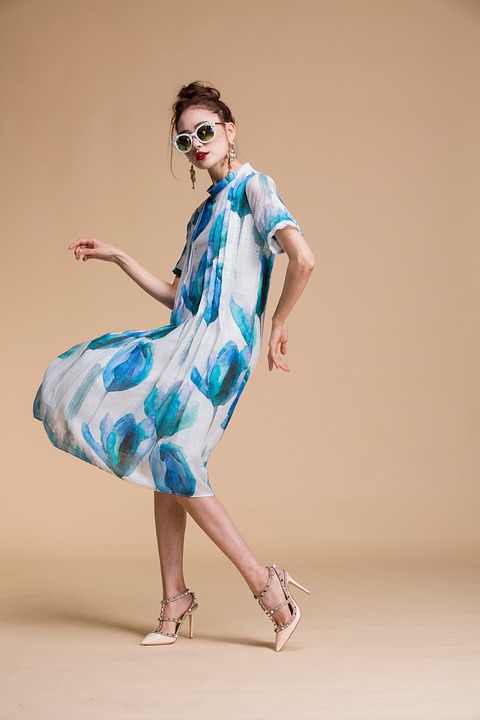
  • 10 Chic Minimalist Wedding Dress Styles for the Modern Bride 2024

    10 Chic Minimalist Wedding Dress Styles for the Modern Bride 2024

    In 2024, the “quiet luxury” aesthetic has officially transitioned from the fashion runways to the wedding aisle. For the modern bride, minimalism is no longer just about “simple” dresses; it is an intentional design choice that prioritizes impeccable tailoring, high-quality textiles, and a silhouette that celebrates the wearer rather than overwhelming her. A minimalist gown allows a bride’s natural beauty and personality to take center stage, proving that restraint is often the ultimate form of sophistication.

    Whether you are planning an intimate city hall ceremony, a sleek gallery wedding, or a coastal elopement, choosing a minimalist style ensures your bridal look remains timeless. Below, we explore the ten most influential minimalist wedding dress styles defining 2024.

    1. The Architectural Column Gown

    The column gown is the epitome of modern sleekness. Unlike the traditional A-line, this style follows the body’s natural lines without clinging too tightly. In 2024, we are seeing a shift toward “architectural” columns—dresses made from heavier fabrics like bonded crepe or Mikado silk that hold their shape. This style is perfect for the bride who wants a statuesque, formal appearance without the bulk of a full skirt.

    2. The 90s-Inspired Bias-Cut Slip

    Drawing inspiration from the effortless glamour of the 1990s, the bias-cut slip dress remains a top choice for minimalist brides. Cut on the grain of the fabric, this style drapes fluidly over curves, offering a liquid-like shimmer. Usually crafted from silk satin or heavy charmeuse, it is the ultimate “cool girl” dress that transitions perfectly from the ceremony to the dance floor.

    3. The Sculptural Ballgown

    Minimalism does not have to mean a lack of volume. The 2024 minimalist ballgown focuses on “clean volume.” Instead of lace layers and beadwork, these gowns rely on dramatic pleats, hidden pockets, and a lustrous finish. The beauty lies in the expansive negative space of the fabric, creating a royal silhouette that feels fresh and contemporary rather than vintage.

    4. The Square-Neck A-Line

    Geometric necklines are a hallmark of modern bridal design. The square neckline provides a frame for the collarbones and face, offering a subtle nod to Renaissance silhouettes while remaining firmly modern. Paired with a clean A-line skirt, this style balances feminine charm with a structured, “no-fuss” attitude.

    5. The High-Neck Mock Wrap

    For brides seeking a more modest or editorial look, the high-neck minimalist gown is a standout. Often featuring a halter or mock-neck design, this style elongates the torso and draws the eye upward. It’s a sophisticated choice for autumn or winter weddings, providing a canvas for a dramatic pair of earrings or a sleek slicked-back bun.

    6. The Off-the-Shoulder Bardot

    The Bardot neckline offers a touch of romance without the need for ruffles or lace. A minimalist off-the-shoulder gown typically features a clean fold of fabric across the bust. This style is exceptionally flattering, highlighting the shoulders and décolletage while maintaining an air of understated elegance.

    7. The Minimalist Blazer Dress or Jumpsuit

    Non-traditional bridal wear is a significant pillar of the minimalist movement. A tailored white blazer dress or a wide-leg crepe jumpsuit offers an empowering alternative to the traditional gown. These pieces are particularly popular for civil ceremonies, rehearsal dinners, or as a “second look” for the reception.

    8. The Open-Back Sheath

    A minimalist dress often hides its most dramatic feature in the back. A simple, high-coverage front paired with a plunging open back or a cowl-back detail creates a stunning “wow” moment. This style plays with the concept of “business in the front, party in the back,” maintaining a clean aesthetic while adding an element of surprise.

    9. The Mini Dress with Structural Bow

    Short hemlines are trending for 2024, but the minimalist version keeps things crisp. Think of a structured shift dress or a micro-mini in a heavy faille fabric. To keep it bridal, many designers are adding a single, oversized structural bow at the back or shoulder—a singular focal point that replaces the need for jewelry or a veil.

    10. The Translucent Layered Silk

    Minimalism is evolving to include “soft minimalism.” This involves layering sheer, unembellished fabrics like organza or tulle over a solid silk base. It creates a dreamy, ethereal aesthetic that still feels clean and uncluttered. It is the perfect middle ground for the bride who wants a “fairytale” feel without the traditional “princess” sparkles.

    Choosing the Right Fabric for Minimalism

    In minimalist design, the fabric *is* the decoration. Since there is no lace or beading to hide imperfections, the quality of the textile is paramount. Use the table below to understand which fabric suits your desired vibe.

    Fabric Type Vibe & Look Best For
    Crepe Matte, fluid, and comfortable. Body-skimming sheaths and jumpsuits.
    Mikado Heavy, structured, and high-shine. Architectural ballgowns and column dresses.
    Silk Satin Liquid-like, lustrous, and luxurious. 90s slip dresses and cowl-neck styles.
    Faille/Ottoman Ribbed texture, holds shape perfectly. Modern mini dresses and tailored blazers.

    Pros and Cons of a Minimalist Wedding Dress

    Choosing a minimalist style is a bold fashion statement, but it comes with its own set of considerations for your wedding day.

    Pros

    • Timelessness: You won’t look back at photos in 20 years and wonder what you were thinking; clean lines never go out of style.
    • Versatility: A simple dress allows you to go bold with accessories, such as a dramatic veil, heirloom jewelry, or statement shoes.
    • Comfort: Without heavy beadwork or layers of crinoline, minimalist gowns are often much lighter and easier to move in.
    • Focus on You: The dress complements your features rather than distracting from them.

    Cons

    • Unforgiving Fabric: High-quality silks and crepes can show every line. Proper undergarments and professional tailoring are essential.
    • Wrinkling: Satin and silk are prone to creasing. You will likely need a steamer on hand throughout the day.
    • Pressure on Fit: Since there is no detail to distract the eye, the fit must be absolutely perfect. Tailoring costs can sometimes be higher for minimalist gowns.

    Frequently Asked Questions

    Are minimalist wedding dresses cheaper?

    Not necessarily. While they lack expensive hand-beading, the cost of a minimalist gown often goes into high-end fabrics (like 100% silk) and expert construction. Because the design is so simple, the pattern cutting must be flawless, which requires high-level craftsmanship.

    How do I accessorize a simple wedding dress?

    Minimalist dresses are a blank canvas. You can lean into the “clean girl” aesthetic with pearl studs and a sleek bun, or add drama with a cathedral-length lace veil. Many 2024 brides are also opting for colorful shoes or bold, sculptural gold jewelry to add a personal touch.

    What body type looks best in a minimalist gown?

    Minimalism is for everyone! The key is choosing the right silhouette. Column dresses look great on petite or athletic frames, while square-neck A-lines are incredibly flattering for pear or hourglass shapes. The lack of “clutter” on the dress often makes the wearer appear taller and more streamlined.

    Can I wear a minimalist dress for a formal ballroom wedding?

    Absolutely. A minimalist ballgown in a structured fabric like Mikado or Tafteta feels incredibly grand and formal. The “minimalist” label refers to the lack of embellishment, not a lack of formality or impact.


    Topic: Minimalist wedding dress styles for modern brides
    Tags: #Chic #Minimalist #Wedding #Dress #Styles #Modern #Bride

  • Top 2024 Wedding Cake Flavor Trends: Chef-Approved Picks for Couples

    Top 2024 Wedding Cake Flavor Trends: Chef-Approved Picks for Couples

    Choosing a wedding cake flavor used to be a simple choice between vanilla, chocolate, or perhaps a marble swirl. However, in 2024, the landscape of wedding confectionery has shifted toward sophisticated palettes, botanical infusions, and nostalgic comfort. Today’s couples are looking for more than just a centerpiece; they want a culinary experience that reflects their personality and the season of their celebration.

    From the influence of global travel to a renewed focus on high-quality, local ingredients, pastry chefs are pushing the boundaries of what a wedding cake can be. This guide explores the leading flavor trends for 2024, providing chef-approved insights to help you select a tier that your guests will talk about long after the last dance.

    The Rise of Botanical and Floral Infusions

    One of the most prominent trends this year is the integration of garden-inspired flavors. These profiles are light, aromatic, and pair exceptionally well with outdoor or spring weddings. Rather than tasting “soapy,” professional chefs use these extracts and infusions to provide a delicate backbone to more traditional sponges.

    Lavender and Honey

    This combination offers a soothing, sophisticated profile. Chefs often use a wildflower honey-soaked sponge layered with a light lavender-infused buttercream. It is an excellent choice for couples who want something floral yet grounded by natural sweetness.

    Earl Grey and Blackberry

    Tea-infused cakes have gained massive popularity. The bergamot notes of Earl Grey tea provide a citrusy, slightly smoky depth that balances the tartness of a fresh blackberry compote. This flavor profile is often paired with a lemon curd filling for an extra “bright” finish.

    Zesty and Citrus-Forward Profiles

    Citrus has moved beyond the simple lemon sponge. In 2024, chefs are experimenting with exotic citrus fruits and complex acid profiles to cut through the richness of traditional Swiss meringue buttercream.

    • Yuzu and Ginger: This East Asian citrus fruit offers a profile somewhere between a grapefruit and a mandarin. When paired with the subtle heat of ginger, it creates a refreshing and modern palate cleanser.
    • Blood Orange and Cardamom: A favorite for autumn and winter weddings, blood orange provides a deep, berry-like citrus flavor, while the cardamom adds a warm, spicy undertone.
    • Lemon and Elderflower: Still a classic thanks to royal influence, this remains a top request for its bright, “clean” taste that feels celebratory and light.

    Nostalgia Reimagined: Elevated Childhood Favorites

    Many 2024 couples are opting for “comfort flavors” that evoke childhood memories but are prepared with high-end, artisanal techniques. This trend is often referred to as “Adult Funfetti.”

    Instead of using boxed mixes, chefs are creating high-quality buttermilk sponges with gourmet sprinkles, paired with Tahitian vanilla bean frosting. Other popular nostalgic profiles include:

    Brown Butter and Toasted Marshmallow

    The nutty, rich aroma of browned butter (beurre noisette) elevates a standard yellow cake to something extraordinary. Adding a toasted marshmallow fluff or a smoked vanilla bean filling creates a “S’mores” experience that feels elegant rather than rustic.

    Salted Caramel and Espresso

    Coffee-based cakes are making a comeback. The bitterness of a strong espresso soak balances the intense sweetness of salted caramel, making it a favorite for evening receptions where guests might need a small caffeine boost.

    2024 Flavor Comparison Table

    To help you visualize how these flavors fit into your wedding theme, consider the following breakdown of top-performing combinations:

    Flavor Profile Best Season Vibe Suggested Filling
    Lavender & Lemon Spring Garden / Romantic Lemon Curd
    Pistachio & Rose Summer Bohemian / Global Raspberry Jam
    Chai Latte Autumn Cozy / Intimate Spiced Buttercream
    Dark Chocolate & Fig Winter Black Tie / Moody Red Wine Reduction

    Global Influences and Textural Contrast

    Modern couples are increasingly well-traveled, and they want their wedding cake to reflect global flavors. This has led to an increase in ingredients like Matcha, Ube (purple yam), and Passionfruit.

    Furthermore, texture is becoming as important as flavor. Chefs are moving away from monochromatic textures by adding “crunches” inside the cake layers. Think of a feuilletine (thin, crispy flakes) layer, crushed praline, or even a thin layer of chocolate ganache between the sponge and the frosting to provide a satisfying bite.

    Pros and Cons of Trendy vs. Classic Flavors

    Pros and Cons

    Trendy Flavors (e.g., Yuzu, Matcha, Earl Grey)

    • Pros: Creates a memorable experience; serves as a conversation starter; reflects the couple’s unique personality.
    • Cons: May not appeal to more traditional or “picky” guests; can be more expensive due to specialty ingredients.

    Classic Flavors (e.g., Vanilla Bean, Rich Chocolate, Red Velvet)

    • Pros: Universally liked by all age groups; pairs easily with any beverage; generally more budget-friendly.
    • Cons: Can feel “safe” or less exciting; may be forgotten by guests shortly after the event.

    Chef Tips for a Successful Cake Tasting

    When you head to your tasting, keep these professional tips in mind to ensure you make the best choice for your big day:

    1. Don’t Overcrowd the Palate

    Try to limit your tasting to four or five flavors. Tasting too many can lead to “sugar fatigue,” making it difficult to distinguish the subtle notes of the later samples.

    2. Consider the Menu Context

    Your cake doesn’t exist in a vacuum. If you are serving a heavy steak dinner, a light, citrusy cake might be a welcome relief. If you are serving a light seafood menu, a richer chocolate or nut-based cake provides a decadent finish.

    3. Think About the Weather

    If you are having an outdoor wedding in July, avoid delicate mousses or whipped cream fillings that might melt. Opt for stable buttercreams or ganache-based fillings that can withstand the humidity.

    Frequently Asked Questions (FAQ)

    Should I offer more than one flavor?

    Many modern couples choose to have different flavors for different tiers. This is a great way to satisfy both your adventurous side and your guests’ more traditional preferences. Alternatively, a “groom’s cake” or a dessert table can provide additional flavor variety.

    What is the most popular wedding cake flavor for 2024?

    While vanilla remains the baseline, the “breakout” flavor of 2024 is Lemon Elderflower, followed closely by Pistachio with Raspberry. These flavors offer a balance of sweetness and acidity that appeals to modern palates.

    How do I ensure the cake stays moist?

    Professional chefs often use a “simple syrup soak” on the sponge layers. This involves brushing a sugar-and-water mixture (often infused with vanilla or liqueur) onto the cake before frosting. This locks in moisture and adds an extra layer of flavor.

    Are “naked cakes” still in style for 2024?

    The “fully naked” cake has evolved into the “semi-naked” or “translucent” look. This involves a very thin layer of buttercream that allows the texture of the cake to peek through, offering a rustic yet polished aesthetic that remains popular for farmhouse and woodland weddings.

    Can I have a savory wedding cake?

    While traditional sugar-based cakes are the norm, there is a growing trend for “Cheese Wheel Cakes” (actual wheels of brie, cheddar, and blue cheese stacked like a cake) for couples who prefer savory over sweet. However, for a traditional sponge cake, incorporating savory elements like rosemary, salted miso, or olive oil is a very trendy way to add depth.


    Topic: Wedding cake flavors trending this year
    Tags: #Top #Wedding #Cake #Flavor #Trends #ChefApproved #Picks #Couples

  • Airbrush vs Traditional Wedding Makeup: An Expert Artist’s Verdict

    Airbrush vs Traditional Wedding Makeup: An Expert Artist’s Verdict

    Choosing the right foundation technique for your wedding day is one of the most critical decisions in your bridal beauty journey. Your makeup needs to survive emotional vows, humid receptions, and hours of dancing, all while looking flawless in high-definition photography. As a professional makeup artist who has prepped hundreds of brides, I know that the “Airbrush vs. Traditional” debate is often the first question on every client’s mind.

    The truth is, neither method is objectively “better” than the other. The right choice depends entirely on your skin type, the climate of your wedding, and your personal style preferences. In this guide, we will break down the science, the application, and the real-world performance of both techniques to help you make an informed decision for your big day.

    Understanding Airbrush Makeup

    Airbrush makeup involves a small, pen-like applicator powered by a compressor that sprays a fine mist of pigment onto the skin. Instead of being rubbed or buffed into the pores, the foundation sits on top of the skin in thousands of tiny droplets. This creates a soft-focus, “filtered” effect that is highly coveted for photography.

    Most professional airbrush formulas are silicone-based, which makes them incredibly water-resistant and transfer-proof. Once the mist “sets,” it becomes a thin, durable layer that doesn’t budge easily, even if you’re prone to happy tears or sweating on the dance floor.

    The “HD” Advantage

    Because the particles are so fine, airbrushing doesn’t leave visible brush strokes or sponge marks. This makes it a gold standard for 4K video and high-resolution photography. It provides a lightweight feel that many brides describe as “not feeling like I’m wearing makeup at all.”

    Understanding Traditional Makeup

    Traditional makeup refers to liquid, cream, or powder foundations applied with brushes, sponges, or fingers. While it may sound “basic,” modern professional formulas are anything but. Today’s traditional foundations are engineered with advanced technology to mimic the look of real skin while providing incredible longevity.

    The primary advantage of traditional makeup is its versatility. An artist can custom-blend shades, mix in oils for a dewy glow, or use specific primers to target different areas of the face. It allows for a more “hand-painted” approach, where coverage can be built up exactly where needed without looking cakey.

    The Texture Specialist

    Traditional makeup is often superior at concealing specific skin concerns. Because it is buffed into the skin, it can help “fill in” and smooth over larger pores, fine lines, or active breakouts in a way that the surface-level mist of an airbrush cannot always achieve.

    Airbrush vs. Traditional: At a Glance

    Feature Airbrush Makeup Traditional Makeup
    Finish Matte to Satin; “Filtered” look Versatile (Dewy, Satin, or Matte)
    Longevity 12–18 hours; Highly water-resistant 10–14 hours; Easily touchable
    Feel Lightweight, “weightless” Varies from sheer to full-coverage
    Best For Oily/Combination skin; Humid climates Dry skin; Textured or mature skin
    Touch-ups Difficult to repair if streaked Very easy to blend and fix

    Which One is Right for Your Skin Type?

    Your skin’s natural behavior is the best indicator of which foundation method will succeed. As an artist, I always perform a thorough skin analysis before making a recommendation.

    Oily and Combination Skin

    If you find that your makeup usually “slides” off by midday, airbrushing is likely your best friend. The silicone-based formulas act as a barrier against oil production. It stays “locked” on the surface of the skin far longer than most liquid foundations.

    Dry and Flaky Skin

    Airbrushing can sometimes be a nightmare for very dry skin. Because the mist sits on top of the skin, it can catch on dry patches or “peach fuzz,” making them more visible. For dry or dehydrated skin, traditional liquid foundations are often better because they contain hydrating ingredients that can be massaged into the skin for a seamless finish.

    Acne and Texture Concerns

    While airbrushing provides great color correction, it doesn’t always hide texture well. If you have raised blemishes or deep scarring, traditional makeup allows the artist to use “stippling” techniques to camouflage those areas more effectively. A combination approach—traditional concealer followed by an airbrush finish—is often the secret to a perfect complexion.

    The Pros and Cons

    Airbrush Makeup

    • Pro: Incredible longevity and transfer resistance (won’t rub off on the groom’s suit!).
    • Pro: Looks flawless in high-definition photography.
    • Pro: Feels very lightweight and breathable on the skin.
    • Con: Can be difficult to “fix” if you cry heavily and a streak occurs.
    • Con: Often more expensive than traditional application due to equipment costs.

    Traditional Makeup

    • Pro: Highly customizable coverage and finish (from ultra-glowy to full glam).
    • Pro: Excellent for hiding skin texture, fine lines, and dry patches.
    • Pro: Easy to touch up with a powder or sponge throughout the night.
    • Con: Can feel “heavier” if not applied by a skilled professional.
    • Con: More prone to transferring if not set properly with professional sprays.

    The Expert’s Verdict

    After years of working with brides, my verdict is this: The skill of the artist matters more than the tool they use.

    If you want a matte, “red carpet” look that stays bulletproof through a 100-degree outdoor wedding, Airbrush is the winner. It provides a level of durability that is hard to match with hand-applied products.

    However, if you want a luminous, “skin-like” glow or if you have specific texture concerns like dryness or fine lines, Traditional Makeup is the superior choice. It allows for the nuance and blending required to make the skin look healthy and hydrated in person.

    My Professional Tip: Always book a trial. Wear the makeup for at least 8 hours. See how it reacts to your natural oils, how it looks in different lighting, and—most importantly—how you feel in it. Your comfort and confidence are what will truly make you glow on your wedding day.

    Frequently Asked Questions

    Is airbrush makeup better for crying?

    Airbrush makeup is highly water-resistant, meaning tears will usually bead up and roll off without removing the pigment. However, you must “dab” the tears away, not wipe them. If you wipe your face, you may create a streak that is difficult to blend back in with airbrushing. Traditional makeup is easier to “buff” back into place if a streak occurs.

    Does airbrush makeup look “cakey”?

    Quite the opposite. When applied correctly, airbrush makeup is one of the thinnest layers of foundation possible. It only looks cakey if the artist applies too many passes or uses an incorrect formula for your skin type. This is why hiring an experienced artist is essential.

    Can I use traditional makeup if I have oily skin?

    Absolutely. With the right mattifying primers and professional-grade setting powders/sprays, traditional makeup can last just as long as airbrushing. Many “long-wear” traditional foundations are specifically formulated for 24-hour wear.

    Is airbrush makeup more expensive?

    Generally, yes. Most artists charge a premium (typically $25–$50 extra) for airbrushing. This covers the cost of the specialized pigments, the maintenance of the compressor/airbrush gun, and the advanced training required to master the technique.


    Topic: Airbrush makeup vs traditional makeup for wedding
    Tags: #Airbrush #Traditional #Wedding #Makeup #Expert #Artists #Verdict

  • Best Waterproof Mascaras for Crying Brides: 2024 Expert-Tested Picks

    Best Waterproof Mascaras for Crying Brides: 2024 Expert-Tested Picks

    Your wedding day is a marathon of emotions, from the quiet morning preparations to the high-energy dance floor celebrations. Somewhere in between, tears are almost guaranteed—whether they are shed during the vows, the speeches, or the first dance. For a bride, the last thing you want to worry about is black streaks ruining your carefully applied makeup.

    Choosing the right waterproof mascara is more than just a beauty preference; it is a technical necessity. Standard formulas often dissolve at the first sign of moisture, leading to the dreaded “raccoon eye” effect. In 2024, cosmetic technology has evolved to offer formulas that provide incredible volume and length without budging, even through the most emotional ceremonies. Our expert-tested guide highlights the best options to ensure your lashes stay flawless from the first look to the final farewell.

    What Makes a Mascara Truly “Wedding-Proof”?

    Not all waterproof mascaras are created equal. To survive a wedding, a formula needs to be more than just water-resistant. It needs to be smudge-proof (to resist skin oils), sweat-proof (for the reception), and cry-proof (for the ceremony).

    The secret lies in the film-forming polymers and volatile solvents. These ingredients allow the mascara to set quickly into a flexible, water-repellent shield around each lash. Unlike regular mascaras, which are often water-based, waterproof versions use waxes and silicones that do not break down when they come into contact with tears or humidity.

    Top 2024 Expert-Tested Waterproof Mascaras

    We have curated a list of the top-performing mascaras based on longevity, volume, and their ability to withstand moisture without flaking or smudging.

    1. Best Overall: Lancôme Monsieur Big Waterproof Mascara

    If you want high-impact volume that looks like false lashes, this is the gold standard. Lancôme’s Monsieur Big is beloved by bridal makeup artists for its ability to provide 12x the volume of natural lashes. The waterproof version is exceptionally resilient, staying put through heavy humidity and emotional toasts without losing its “oomph.”

    2. Best Budget Pick: Essence Lash Princess False Lash Effect Waterproof

    Proof that you don’t need to spend a fortune for quality, this cult-favorite drugstore mascara is a powerhouse. It features a conic-shaped fiber brush that reaches every lash for intense definition. The waterproof formula is notoriously difficult to budge, making it a reliable choice for brides on a budget.

    3. Best for Luxury & Length: Dior Diorshow Iconic Overcurl Waterproof

    Dior is known for its sophisticated formulas, and the Iconic Overcurl is no exception. It provides a dramatic lift and curl that opens up the eyes—perfect for wedding photography. The waterproof version contains K-Polymers that help hold the shape of the curl for up to 24 hours.

    4. Best for Sensitive Eyes: Tarte Maneater Waterproof Mascara

    Weddings can be taxing on sensitive eyes, especially with contact lenses. Tarte’s Maneater offers a lash-strengthening formula infused with jojoba and carnauba wax. It delivers a wide-awake look while remaining gentle, ensuring that even if you do cry, your eyes won’t feel irritated or itchy.

    5. Best “Tubing” Alternative: Caliray Come Hell or High Water

    For brides who struggle with oily eyelids (where traditional waterproof formulas might still smudge), this “tubing” mascara is a game-changer. It creates tiny water-resistant sleeves around each lash. It won’t smudge or flake, yet it slides off easily with warm water and gentle pressure at the end of the night.

    At-a-Glance Comparison Table

    Mascara Name Primary Benefit Price Point Best For
    Lancôme Monsieur Big Extreme Volume Premium High-impact, glam looks
    Essence Lash Princess Value & Definition Budget Reliable, long-wear results
    Dior Diorshow Iconic Curl & Lift Luxury Opening up the eyes
    Tarte Maneater Length & Care Mid-Range Sensitive eyes/contacts
    Caliray Come Hell… Zero Smudging Mid-Range Oily lids & easy removal

    Pros and Cons of Using Waterproof Mascara

    While waterproof mascara is the logical choice for a wedding, it is important to understand the trade-offs involved in using these heavy-duty formulas.

    Pros

    • Unmatched Longevity: Designed to last 12+ hours without needing a touch-up.
    • Holds a Curl: The wax-heavy formula acts like hairspray for your lashes, keeping them lifted.
    • Cry-Proof: Tears roll right off the lashes rather than dissolving the pigment.
    • Humidity Resistant: Essential for summer weddings or tropical destination ceremonies.

    Cons

    • Difficult Removal: Requires a dedicated oil-based makeup remover to avoid tugging.
    • Drying: Frequent use can make lashes brittle; it’s best reserved for special occasions.
    • Potential for Clumping: Because they dry faster than regular formulas, you must work quickly during application.

    Expert Tips for Wedding Day Application

    To get the most out of your waterproof mascara, follow these professional application techniques:

    1. Curl Before, Not After

    Always use a lash curler on clean, dry lashes before applying mascara. Curling after application can cause lashes to stick to the curler and even snap off due to the rigid nature of waterproof formulas.

    2. Don’t Pump the Wand

    Pumping the wand into the tube introduces air, which dries out the formula faster and leads to clumps. Instead, swirl the wand inside to pick up the product.

    3. Layer Wisely

    If you want to use a regular mascara for its specific brush or finish, apply it first, then use a waterproof mascara as a “top coat” to seal it. However, for maximum cry-protection, we recommend using waterproof for all layers.

    4. The “Wiggle and Sweep” Technique

    Place the wand at the base of your lashes and wiggle it back and forth before sweeping upward. This ensures the roots are well-coated, providing a sturdy foundation for the rest of the lash.

    How to Safely Remove Your Wedding Makeup

    The night of your wedding, the last thing you want is to spend 20 minutes scrubbing your eyes. To remove waterproof mascara without losing your natural lashes, use a bi-phase remover (half oil, half water) or a cleansing balm. Soak a cotton pad, press it against your closed eyelid for 30 seconds to break down the waxes, and then gently wipe away. Never rub vigorously.

    Frequently Asked Questions

    Is waterproof mascara better than water-resistant mascara for a wedding?

    Yes. Water-resistant formulas can withstand a light mist or a few damp moments, but they will likely run during a full-blown “ugly cry.” For a wedding, full waterproof is the only way to guarantee security.

    Can I wear waterproof mascara with lash extensions?

    Generally, no. The oils and waxes in waterproof mascara can break down the adhesive used for lash extensions. If you have extensions, you likely won’t need mascara, but if you do, ensure it is a formula specifically made for extensions.

    Does waterproof mascara expire?

    Like all mascaras, waterproof versions should be replaced every three months. Because they dry out faster than regular formulas, you may find they become clumpy even sooner. Always use a fresh tube for your wedding day.

    Will waterproof mascara make my lashes fall out?

    The mascara itself won’t cause hair loss, but improper removal will. If you pull or tug at your lashes, you can damage the follicles. Use an oil-based cleanser to ensure the product slides off effortlessly.


    Topic: Best waterproof mascara for crying brides
    Tags: #Waterproof #Mascaras #Crying #Brides #ExpertTested #Picks

  • 2026 Average Wedding Cost: A Full Expert Breakdown & Budget Guide

    2026 Average Wedding Cost: A Full Expert Breakdown & Budget Guide

    Planning a wedding is one of life’s most exciting milestones, but in the current economic landscape, it also requires a high degree of financial strategy. As we look toward 2026, the wedding industry continues to evolve, shaped by inflation, shifts in guest expectations, and a move toward hyper-personalized experiences. Understanding the projected costs now is essential for couples who want to celebrate their love without starting their marriage in debt.

    Based on current market trajectories and historical data, the average wedding cost in 2026 is expected to range between $35,000 and $42,000. However, this figure is highly subjective, influenced heavily by geography, guest count, and specific lifestyle choices. This guide provides a professional breakdown of what to expect and how to navigate the 2026 wedding market effectively.

    The Estimated 2026 Budget Breakdown

    To plan effectively, you must understand where the money goes. While every wedding is unique, the percentage of the budget allocated to each category remains relatively consistent. Below is a projected breakdown for a mid-range wedding with approximately 100 to 125 guests.

    Category Percentage of Budget Estimated Cost (Mid-Range)
    Venue & Catering 40% – 50% $16,000 – $21,000
    Photography & Videography 10% – 12% $4,000 – $5,500
    Wedding Planner/Coordinator 8% – 10% $3,000 – $4,500
    Flowers & Decor 8% – 10% $3,500 – $5,000
    Attire, Hair Care & Makeup 7% – 9% $3,000 – $4,000
    Entertainment (DJ/Band) 5% – 7% $2,000 – $3,500
    Stationery & Favors 2% – 3% $800 – $1,200
    Miscellaneous/Buffer 5% $1,500 – $2,000

    Key Factors Influencing 2026 Wedding Costs

    Several variables will dictate whether your wedding falls above or below the national average. By 2026, the “experience economy” will be in full swing, meaning couples are spending more on guest comfort and less on traditional formalities.

    1. Geographic Location

    A wedding in Manhattan, San Francisco, or London will easily double or triple the average cost compared to a wedding in a rural setting or a smaller metropolitan area. High-demand regions naturally have higher vendor labor rates and property taxes, which are passed down to the couple.

    2. The Guest Count: The Ultimate Budget Driver

    In 2026, the “cost-per-head” model is more relevant than ever. Catering costs, rentals, and even the size of the venue are all directly tied to how many people you invite. Reducing your guest list by just 10 people can often save $1,500 to $2,500 depending on your menu and bar selections.

    3. Labor and Service Fees

    Post-pandemic shifts in the labor market have led to higher service fees. Most venues and caterers now include a mandatory 20% to 25% service charge. It is vital to distinguish this from a tip; in many cases, this fee covers administrative costs and hourly wages, meaning additional gratuity is still expected for exceptional service.

    High-Impact Categories Explained

    Venue and Catering

    The venue remains the largest expense. For 2026, we are seeing a rise in “inclusive” venues—locations that provide the space, food, drink, and basic rentals. While the upfront price tag looks higher, these venues often save couples money by eliminating the need for outside rentals like chairs, linens, and glassware.

    Photography and Content Creation

    A significant trend for 2026 is the inclusion of “Wedding Content Creators” alongside traditional photographers. Couples are prioritizing social-media-ready vertical video and “behind-the-scenes” footage. Budgeting for high-quality imagery is non-negotiable for most, as it is the only tangible item that remains after the wedding day.

    Floral Design and Sustainability

    Floral costs have risen due to transportation and fuel expenses. To manage this, 2026 couples are opting for “floral repurposing”—moving ceremony arrangements to the reception—and focusing on high-impact seasonal blooms rather than out-of-season imports.

    Pros and Cons of Planning a 2026 Wedding

    Pros

    • Advanced Planning Tools: By 2026, AI-driven planning tools and virtual venue tours will make the logistical side of wedding planning more streamlined and accurate.
    • Shift Toward Personalization: The trend is moving away from “cookie-cutter” weddings, allowing couples to spend money on things they actually value rather than outdated traditions.
    • Vendor Availability: Planning for 2026 now gives you the “first pick” of top-tier vendors before their calendars fill up.

    Cons

    • Inflationary Pressure: The cost of goods (food, flowers, fabric) is expected to continue its upward trend, making early contract signing essential to lock in current rates.
    • The “Wedding Tax”: As demand remains high, premium pricing for Saturdays and peak seasons (June, September, October) will be more aggressive than in previous years.
    • Decision Fatigue: With more options and customization available, couples may find themselves overwhelmed by the sheer volume of choices and “add-ons.”

    Actionable Tips for Budget Management

    To stay within your 2026 wedding budget, consider these expert-vetted strategies:

    • Lock in Contracts Early: Many vendors allow you to book 18–24 months in advance. Locking in a 2024 or 2025 rate for a 2026 wedding can save you thousands in annual price increases.
    • The “Off-Peak” Advantage: Friday and Sunday weddings, or celebrations held in January and February, often come with significantly lower venue minimums and rental fees.
    • Audit Your “Must-Haves”: Before spending, rank your priorities. If great food is a priority, perhaps scale back on elaborate favors or expensive stationery that guests often discard.
    • Maintain a 5% Buffer: Always set aside 5% of your total budget for “the unknowns”—last-minute tips, marriage license fees, or unexpected weather-related adjustments.

    Frequently Asked Questions (FAQ)

    What is the biggest hidden cost in 2026 weddings?

    The most common hidden cost is “Service Fees and Taxes.” Many couples see a $150-per-person plate cost and calculate their budget based on that. However, after adding a 22% service fee and 8% sales tax, that $150 plate becomes $195. Always calculate the “all-in” price before signing a contract.

    Is $20,000 a realistic budget for a 2026 wedding?

    Yes, but it requires a strategic approach. A $20,000 budget in 2026 is best suited for a micro-wedding (under 50 guests), a restaurant reception, or a “brunch wedding.” It may be difficult to host a traditional 100+ guest ballroom wedding at this price point without significant compromises.

    How much should we tip wedding vendors in 2026?

    Tipping is customary for service-based vendors who do not own their business. For catering staff, $20–$50 per server is standard. For photographers and planners who own their companies, a tip is not required but a thoughtful gift or a glowing 5-star review is highly appreciated.

    Should we get wedding insurance for a 2026 date?

    Absolutely. With the increasing frequency of extreme weather events and the potential for vendor insolvency, a basic wedding insurance policy (typically costing $200–$500) is a small price to pay to protect a $40,000 investment.

    Will catering costs continue to rise?

    Historically, catering and labor costs rise at a rate of 3% to 5% annually. For 2026, it is wise to assume a slightly higher increase due to the rising costs of organic produce and specialized dietary menu options (vegan, gluten-free), which are becoming standard requests.


    Topic: Average cost of a wedding in 2026 breakdown
    Tags: #Average #Wedding #Cost #Full #Expert #Breakdown #Budget #Guide

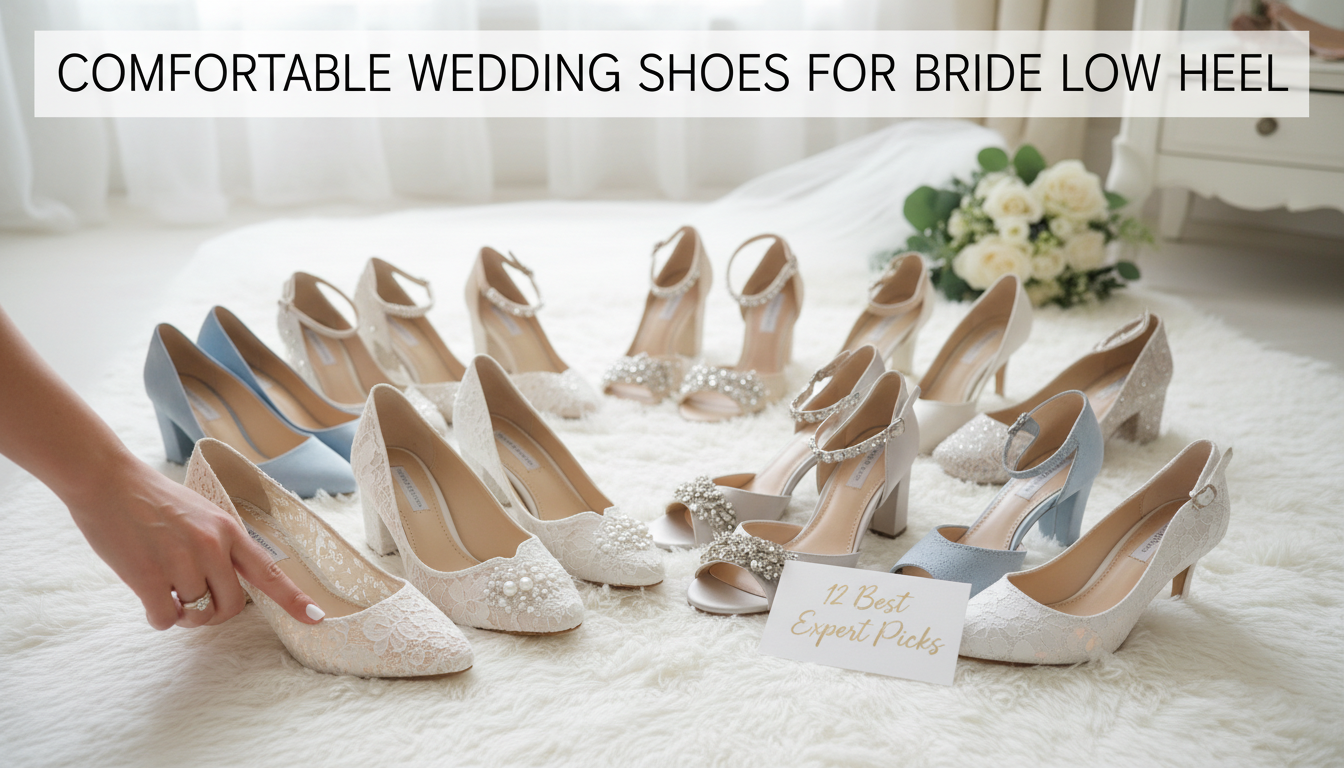
  • Comfortable Wedding Shoes for Bride Low Heel: 12 Best Expert Picks

    Comfortable Wedding Shoes for Bride Low Heel: 12 Best Expert Picks

    Finding the perfect pair of wedding shoes is a delicate balancing act. While every bride wants to look breathtaking as she walks down the aisle, the reality of a ten-hour day—spanning photography sessions, the ceremony, and hours of dancing—can quickly turn a “dream shoe” into a painful nightmare. This is why low-heel wedding shoes have seen a massive surge in popularity.

    Choosing a low heel doesn’t mean compromising on elegance. Modern bridal designers have mastered the art of combining orthopedic-level comfort with high-fashion aesthetics. Whether you are looking for timeless satin, modern block heels, or vintage-inspired kitten heels, choosing a lower height ensures you remain present in every moment, rather than focusing on foot fatigue.

    Top 12 Expert-Recommended Low Heel Wedding Shoes

    Our selection focuses on shoes that offer a blend of structural support, high-quality materials, and bridal-ready style. Here are the top 12 picks for the modern, comfort-conscious bride.

    Style Category Best Feature Ideal Venue
    Classic Block Heel Extra Stability Garden or Outdoor
    Pointed Kitten Heel Sophisticated Silhouette Traditional Ballroom
    Embellished Slingback Adjustable Fit City Hall or Micro-Wedding
    Pearl-Encrusted Sandal Modern Trend Beach or Summer Wedding

    1. The Essential Block Heel Sandal

    A sturdy block heel is the gold standard for outdoor weddings. By distributing your weight across a wider surface area, these shoes prevent you from sinking into grass or gravel. Look for versions with a padded footbed and a secure ankle strap to minimize friction.

    2. The Sophisticated Pointed-Toe Kitten Heel

    Kitten heels (typically 1 to 2 inches) offer a hint of height while maintaining a sleek, sharp silhouette. A pointed-toe version in ivory silk or leather pairs beautifully with a minimalist crepe gown or a tailored bridal suit.

    3. Pearl-Embellished Low Block Heels

    Pearls are a timeless bridal staple. Choosing a low heel adorned with pearls adds a touch of “Old Hollywood” glamour. Expert tip: Ensure the pearls are securely fastened and not placed where they might snag the delicate lace or tulle of your hemline.

    4. The Minimalist Metallic Slingback

    Gold or silver low heels act as a neutral that can be worn long after the wedding day. A slingback design is particularly comfortable for brides whose feet tend to swell slightly throughout the day, as the strap offers more flexibility than a closed-back pump.

    5. Romantic Lace Overlay Kitten Heels

    For the vintage-inspired bride, lace kitten heels provide a soft, romantic texture. These are often lighter in weight than leather options, making them an excellent choice for a spring or summer celebration.

    6. The Crystal-Encrusted Low Sandal

    If you want the “Cinderella” moment without the stiletto pain, opt for a low sandal with crystal embellishments. These catch the light beautifully during your first dance and provide maximum breathability for summer ceremonies.

    7. Modern Sculptural Low Heels

    Contemporary brides are gravitating toward unique heel shapes—think flared or geometric blocks. These offer incredible stability while acting as a conversation piece for shorter dress styles or tea-length gowns.

    8. Satin D’Orsay Low Heels

    The D’Orsay cut, which is open on the sides, is incredibly flattering as it elongates the leg. In a low-heel format, it provides a sophisticated look that feels airy and light on the foot.

    9. Velvet Bow Block Heels

    Perfect for autumn or winter weddings, velvet offers a rich texture and a slightly more “forgiving” fit than stiff patent leather. A decorative bow adds a feminine touch that looks stunning in “detail” wedding photos.

    10. The T-Strap Vintage Heel

    T-strap shoes provide exceptional security. If you are worried about your shoes slipping off while dancing, the T-strap anchors the shoe to your foot, allowing for a 1.5-inch heel that feels as stable as a flat.

    11. Soft Leather Loafers with a Micro-Heel

    For the non-traditional or fashion-forward bride, a high-end leather loafer with a 1-inch heel is the ultimate comfort move. This works exceptionally well for rehearsal dinners or as a second shoe for the reception.

    12. The Wedge Sandal (Low Profile)

    While often associated with casual wear, bridal wedges in satin or metallic finishes offer the most arch support of any heel type. A low-profile wedge (under 2 inches) provides a seamless transition from toe to heel, reducing pressure on the ball of the foot.

    What to Look for in a Comfortable Wedding Shoe

    When shopping for your bridal footwear, “comfort” is more than just a low heel height. You must consider the internal construction of the shoe. Experts recommend looking for three key elements:

    • Arch Support: Even a low heel can cause strain if the arch is flat. Look for shoes with built-in contouring or enough room to add a discreet gel insert.
    • The Toe Box: Pointed shoes are stylish but can pinch. If you have wider feet, look for a “snip toe” or a rounded almond toe to give your digits room to move.
    • Breathable Linings: Genuine leather or high-quality microfiber linings wick away moisture, which prevents the sliding and friction that cause blisters.

    Pros and Cons of Low Heel Wedding Shoes

    Pros

    • All-Day Longevity: You can transition from the ceremony to the final farewell without ever needing to change into flip-flops.
    • Better Posture: High heels shift your center of gravity forward; low heels allow for a more natural gait and straighter spine.
    • Venue Versatility: Low heels are safer for historic venues with uneven floors, cobblestones, or garden settings.
    • Reusability: Unlike 5-inch platforms, a chic low heel can easily be styled for anniversaries or formal events after the wedding.

    Cons

    • Gown Length Issues: If you get your dress hemmed for low heels and decide to switch to flats later, your dress may drag.
    • Less “Lift”: You won’t get the same dramatic height increase, which some brides prefer for photos alongside a taller partner.
    • Limited “Couture” Options: While the market is growing, some high-fashion designers still focus primarily on high-stiletto silhouettes.

    Expert Tips for Breaking in Your Shoes

    Never wear your wedding shoes for the first time on the big day. We recommend wearing them around your house with thick socks for 15–30 minutes at a time during the month leading up to the wedding. This softens the material at common pressure points. Additionally, use a sandpaper block to lightly scuff the soles of new shoes to increase traction on polished ballroom floors.

    Frequently Asked Questions

    What is considered a “low heel” for a wedding?

    In the bridal industry, a low heel is generally defined as anything between 1 inch (2.5 cm) and 2.5 inches (6.4 cm). Anything under an inch is typically categorized as a flat, while anything over 3 inches is considered a high heel.

    Can I wear low heels with a ballgown?

    Absolutely. In fact, low heels are often preferred with heavy ballgowns because the weight of the dress can make balancing in high stilettos difficult. Just ensure your seamstress knows exactly which shoes you will be wearing during your final fitting to get the hem height perfect.

    How do I prevent blisters even in low heels?

    Blisters are caused by friction, not just height. Use an anti-friction balm on your heels and toes before putting your shoes on. Additionally, ensure the shoes fit snugly but not tightly; your foot should not slide back and forth inside the shoe as you walk.

    Are block heels or kitten heels more comfortable?

    This depends on your foot type. Block heels offer more lateral stability and are better for uneven surfaces. Kitten heels are often lighter and offer a more traditional “heel” look but provide less surface area for balance. Most brides find block heels more comfortable for long-term wear.


    Topic: Comfortable wedding shoes for bride low heel
    Tags: #Comfortable #Wedding #Shoes #Bride #Heel #Expert #Picks

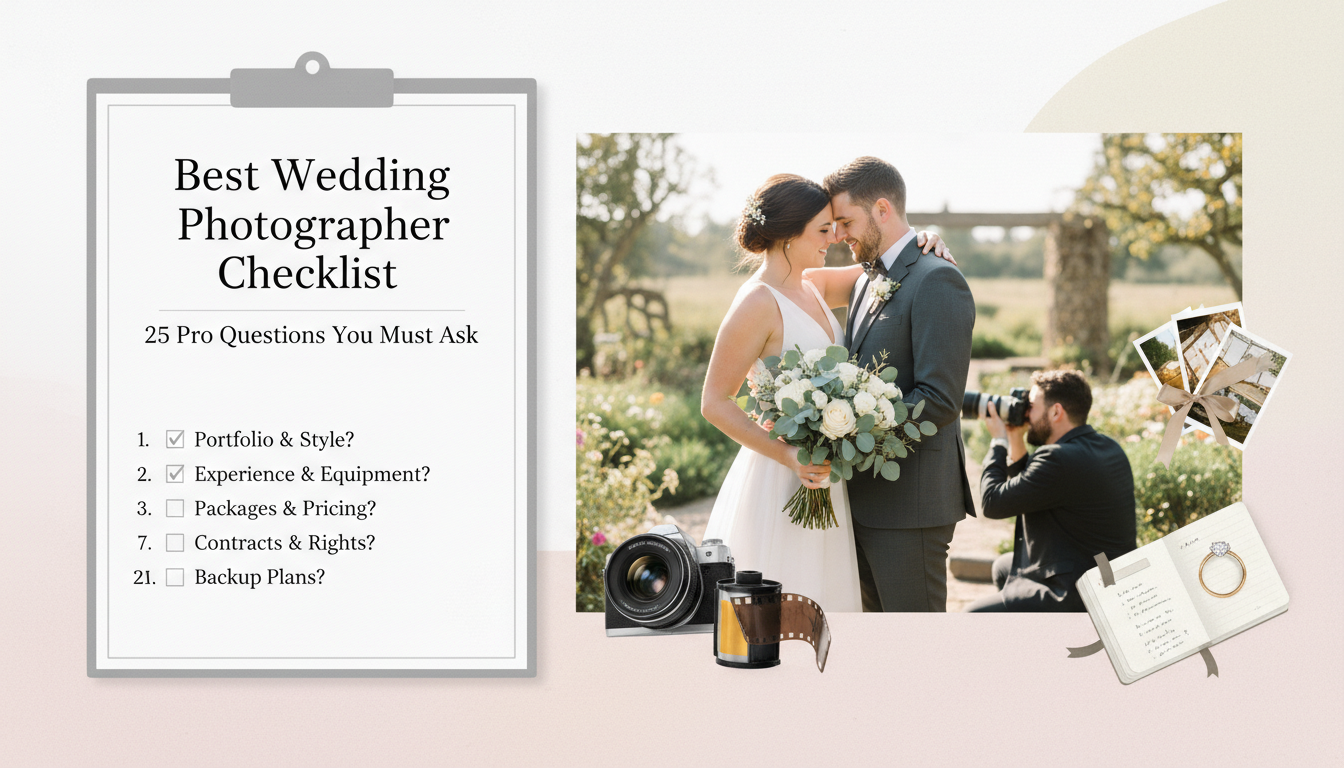
  • Best Wedding Photographer Checklist: 25 Pro Questions You Must Ask

    Best Wedding Photographer Checklist: 25 Pro Questions You Must Ask

    Choosing a wedding photographer is one of the most significant decisions you will make during your planning process. Unlike the flowers that will fade or the cake that will be eaten, your photographs are the permanent record of your investment and your memories. However, a stunning portfolio is only half the story. To ensure a seamless experience, you need to dig deeper into their workflow, technical expertise, and business practices.

    A professional photographer doesn’t just “take pictures”; they manage lighting transitions, navigate family dynamics, and safeguard your memories through redundant backup systems. This checklist of 25 pro questions is designed to help you move past the surface and identify a true professional who will deliver under pressure.

    The Essential 25-Question Checklist

    To make your interview process easier, we have categorized these questions into five critical areas of the wedding photography experience.

    Category 1: Logistics and Availability

    Before diving into the artistic details, you must confirm that the photographer is practically a good fit for your date and location.

    • 1. Are you available on my wedding date? (The most obvious, but necessary, starting point.)
    • 2. Will you be the primary photographer on the day? Some large studios book under a brand name but send “associate” photographers to the actual event.
    • 3. Have you ever shot at my specific venue before? If not, ask if they plan to do a walkthrough or “scout” the location beforehand.
    • 4. What are the travel fees, and what do they cover? Ensure there are no hidden costs for gas, flights, or hotel stays.
    • 5. What is the “backup plan” if you are unable to attend due to an emergency? A professional should have a network of peers they can call upon.

    Category 2: Style and Artistic Vision

    Every photographer has a unique “eye.” You need to ensure their vision aligns with how you want your day to be remembered.

    • 6. How would you describe your photography style? (e.g., Documentary, Fine Art, Moody, or Traditional).
    • 7. Can I see 2-3 full galleries from recent weddings? Looking at a “highlight reel” on Instagram is easy; seeing a full day from getting ready to the dark reception proves consistency.
    • 8. How do you handle low-light situations? Ask how they manage dark churches or receptions with heavy “party lighting.”
    • 9. Do you prefer to direct the day or capture it candidly? This determines how much “posing” you will be doing.
    • 10. Do you provide a shot list for us to fill out? Most pros have a standard list but will allow you to add specific family groupings.

    Category 3: Experience and Professionalism

    This is where “Experience and Trust” (EEAT) come into play. You want someone who can handle the chaos of a wedding day without breaking a sweat.

    • 11. How many weddings have you photographed as the lead shooter? Experience counts when the timeline starts to slip.
    • 12. Do you carry professional liability insurance? Many venues actually require this of all vendors.
    • 13. What kind of equipment do you use, and do you bring backups? A pro should have at least two camera bodies on them at all times.
    • 14. How do you handle difficult family dynamics during portraits? A seasoned photographer knows how to be assertive yet polite to keep the schedule moving.
    • 15. How do you store and back up our images after the wedding? Look for answers involving “dual card slots” and “cloud backups.”

    Category 4: Packages and Deliverables

    Understanding exactly what you are paying for prevents “sticker shock” after the wedding is over.

    • 16. What is included in your standard package? Ask about hours of coverage, second shooters, and engagement sessions.
    • 17. Can we customize a package to fit our specific needs?
    • 18. How many images will we receive in the final gallery? Usually, this ranges from 50 to 100 images per hour of coverage.
    • 19. Do you offer high-resolution, watermark-free digital files? Ensure you won’t have to pay extra just to download your photos.
    • 20. Do we have full printing rights to the images? This allows you to print photos at your local lab of choice.

    Category 5: The Post-Wedding Process

    The work doesn’t end when the dancing stops. The editing process is where the “magic” happens.

    • 21. What is your turnaround time for the final gallery? (Standard is 4–8 weeks; some offer “sneak peeks” within 48 hours).
    • 22. What level of retouching is included? Does it include blemish removal or just color correction?
    • 23. How long will our online gallery be hosted? You need to know how long you have to download and save your files.
    • 24. Do you offer physical albums or prints? Physical heirlooms often have better longevity than digital files.
    • 25. What is the payment schedule and cancellation policy? Usually, a non-refundable retainer is required to hold the date.

    Pros and Cons of Different Photographer Models

    When searching for the “best” photographer, you will likely encounter two main business models. Understanding these can help you decide which fits your personality better.

    Model Pros Cons
    Boutique/Solo Professional Personalized service; you know exactly who is shooting; consistent artistic style. Higher price point; limited availability; if they get sick, they have to rely on a network.
    Large Photography Agency More affordable; easy booking process; guaranteed backup shooters available. Less personal connection; you might not meet your photographer until the wedding day; style can vary.

    Why the “Connection” Question is the Most Important

    Beyond the technical 25 questions, there is one internal question you must ask yourself: “Do I actually like this person?” Your photographer is the one vendor who will be with you for 8 to 12 hours straight. They will be there when you are getting dressed, when you are nervous before the ceremony, and when you are celebrating with friends. If their personality clashes with yours, it will show in your expressions in the photos. Trust your gut—technical skill is vital, but chemistry is the secret ingredient to great wedding photography.

    Frequently Asked Questions

    What is the average cost of a professional wedding photographer?

    In the United States, professional wedding photography typically ranges from $2,500 to $6,000, depending on the region and the photographer’s experience level. High-end “luxury” photographers can range from $10,000 to $20,000+.

    Should I provide a meal for my photographer?

    Yes. Most professional contracts include a “meal clause.” Your photographer has been on their feet for hours; providing a hot meal during the reception (usually at the same time the guests eat) ensures they have the energy to finish the night strong.

    What is a “Second Shooter” and do I need one?

    A second shooter is an additional photographer who captures alternative angles and different locations (e.g., one photographer stays with the bride, the second stays with the groom). They are highly recommended for weddings with more than 100 guests or complex logistics.

    What does “Full Printing Rights” mean?

    This means you have the legal permission to print the photos for personal use at any lab. It does not mean you own the “Copyright,” which usually stays with the photographer for their marketing and portfolio use.

    How far in advance should I book my photographer?

    Most sought-after wedding photographers are booked 12 to 18 months in advance, especially for popular Saturday dates in the spring and fall.


    Topic: Best wedding photographer checklist questions to ask
    Tags: #Wedding #Photographer #Checklist #Pro #Questions

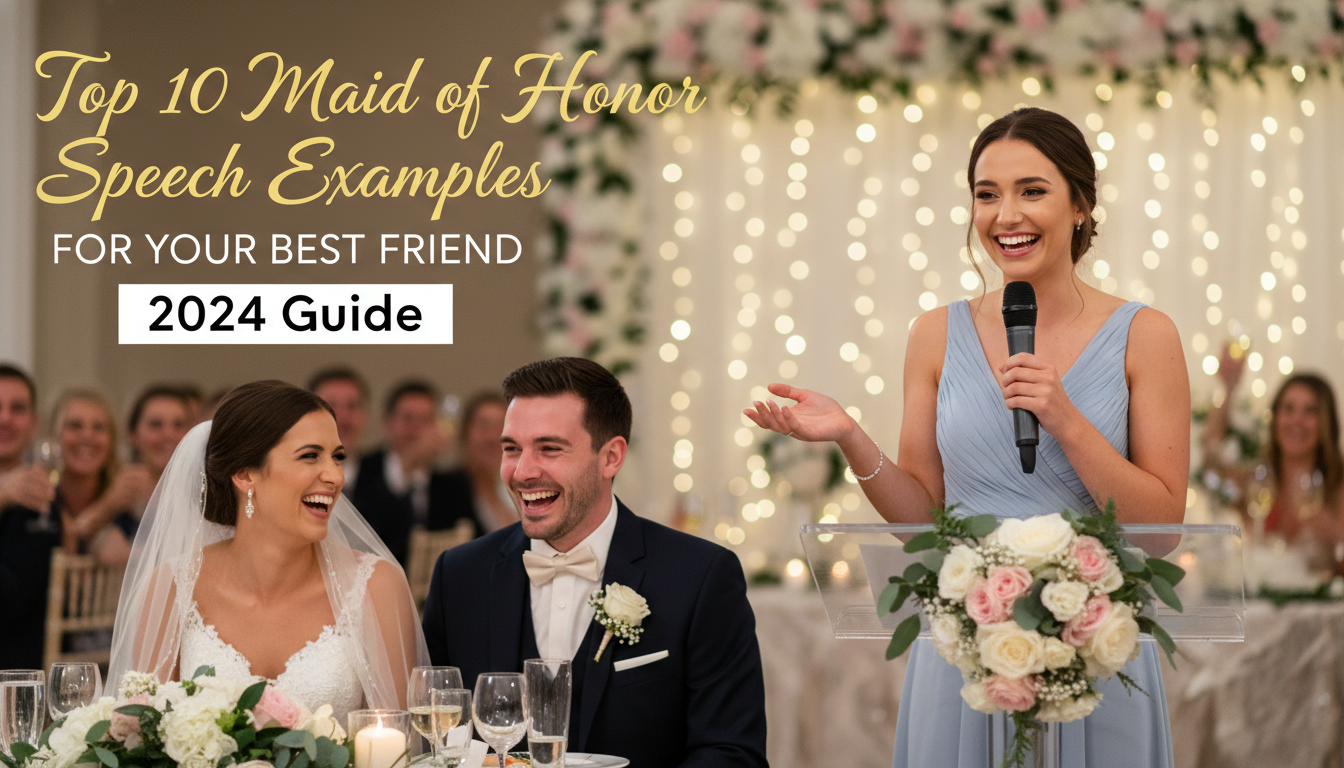
  • Top 10 Maid of Honor Speech Examples for Your Best Friend: 2024 Guide

    Top 10 Maid of Honor Speech Examples for Your Best Friend: 2024 Guide

    Being chosen as the Maid of Honor is one of the highest compliments a best friend can pay you, but it often comes with a looming shadow: the speech. You want to honor your best friend, acknowledge her partner, and entertain a room full of strangers without letting nerves get the best of you.

    In 2024, the best Maid of Honor speeches have shifted away from generic templates toward authentic, storytelling-driven narratives. Whether you’ve known the bride since kindergarten or met in a college dorm, the goal is to strike a balance between sentimental and lighthearted. This guide provides 10 distinct examples and actionable tips to help you deliver a toast that will be remembered for all the right reasons.

    How to Structure the Perfect Maid of Honor Speech

    Before diving into the examples, it is helpful to understand the basic framework that makes a speech flow naturally. Most successful speeches follow a four-part structure:

    • The Hook: Introduce yourself, your relationship to the bride, and grab the audience’s attention.
    • The “Bridge” Story: A specific, meaningful anecdote that illustrates the bride’s character or your friendship.
    • The Partner’s Impact: How the bride has changed (for the better) since meeting her partner.
    • The Toast: A concluding wish or quote followed by the invitation for everyone to raise their glasses.

    Top 10 Maid of Honor Speech Examples for 2024

    1. The Nostalgic Childhood Friend

    Best for: Friends who have grown up together and have decades of history.

    “I’ve known [Bride] since we were five years old. We’ve survived middle school braces, the drama of high school, and our questionable fashion choices in our early twenties. Standing here today, I see the same kind-hearted girl, but I also see a woman who has found her perfect match. [Partner], when I saw how you looked at her during that first weekend we all met, I knew my job as her primary protector was finally over. You don’t just love her; you understand her.”

    2. The Short and Sweet Minimalist

    Best for: Those who are terrified of public speaking but want to be impactful.

    “They say that friends are the family we choose for ourselves. [Bride], you have been my sister in every way that matters. Watching you and [Partner] build a life together has been a masterclass in what a partnership should look like. I won’t take up too much of your dancing time, so let’s get straight to it: To a lifetime of laughter, growth, and unconditional love. To the happy couple!”

    3. The “Third Wheel” Humorist

    Best for: A Maid of Honor who spent a lot of time with the couple as they started dating.

    “For a long time, it wasn’t just [Bride] and [Partner]—it was [Bride], [Partner], and me. I was the professional third wheel. And while I’m officially retiring from that role tonight, I couldn’t be happier about my replacement. [Partner], thank you for taking over the late-night ‘what should I wear’ texts and the ‘is this a red flag’ debriefs. You are the only person I’d trust with my best friend’s heart.”

    4. The Long-Distance Bestie

    Best for: Friends who have maintained their bond across different cities or countries.

    “Even though there have been 500 miles between us for the last five years, [Bride] has never felt far away. We’ve spent countless hours on FaceTime, through job changes and heartbreaks. But the tone of those calls changed the day she met [Partner]. There was a peace in her voice I hadn’t heard before. It turns out, she didn’t need to be closer to me; she just needed to find her way home to you.”

    5. The “Opposites Attract” Tribute

    Best for: Highlighting how the couple balances each other out.

    “[Bride] is a whirlwind of energy, organized chaos, and big dreams. [Partner], you are her anchor. You are the calm to her storm and the logic to her spontaneity. Seeing the way you two navigate life together is like watching a perfectly choreographed dance. You make her better, and in turn, she makes us all better by being her happiest self around you.”

    6. The “Finally!” Speech

    Best for: Couples who have been together for a very long time before marrying.

    “It’s about time! We all knew this day was coming since that first date at [Location] seven years ago. In an era of ‘swipe left’ culture, seeing the two of you grow from college sweethearts into the power couple you are today is truly inspiring. You didn’t just fall in love; you built a love that lasts.”

    7. The Emotional Tear-Jerker

    Best for: High-intensity, sentimental friendships.

    “There are people who walk into your life and change the temperature of the room. [Bride] is that person for me. She was there for my darkest days, and today, I am honored to stand in her brightest light. [Partner], thank you for seeing her magic and for promising to cherish it every single day. You aren’t just gaining a wife; you’re gaining our entire support system.”

    8. The “Partner-Focused” Welcome

    Best for: Showing the Groom or Partner that they are now part of the inner circle.

    “When I first met [Partner], I put him through a rigorous ‘best friend’ interrogation. He passed with flying colors, not because he said the right things, but because of how [Bride] smiled when he walked into the room. [Partner], you are officially part of the family now. We have a ‘no returns’ policy, but looking at you two, I know you’d never want one anyway.”

    9. The Modern & Trendy “Top 5” List

    Best for: A structured, engaging, and fast-paced speech.

    “Instead of a long story, I want to share the Top 5 reasons why [Partner] is the perfect match for [Bride]. Number 5: He actually laughs at her dad jokes. Number 4: He knows exactly how she takes her coffee. Number 3: He’s the only one who can talk her out of a DIY project at 2 AM. Number 2: He loves her fiercely. And Number 1: He makes her the best version of herself.”

    10. The Wisdom & Advice Toast

    Best for: An older Maid of Honor or a friend who wants to offer a “North Star” for the marriage.

    “My advice for you both is simple: Never stop being each other’s biggest fans. Life will throw challenges your way, but as long as you are in each other’s corner, the world is yours. May your home be a place of refuge and your marriage be a journey of endless discovery.”

    Choosing the Right Style for Your Speech

    Selecting the right tone is the most critical part of speech preparation. Use the table below to determine which style fits your friendship best.

    Speech Style Primary Vibe Best Suited For…
    Nostalgic Sentimental & Sweet Childhood friends or sisters.
    Humorous Funny & Energetic Confident speakers with a shared history of jokes.
    Short & Sweet Sincere & Brief Those who get nervous or emotional quickly.
    Themed/List Creative & Organized Modern weddings and logical thinkers.

    Pros and Cons of Different Speech Approaches

    Pros and Cons of Different Speech Styles

    Using Humor and “Roasting”

    • Pros: Keeps the energy high, breaks the ice, and makes the speech memorable.
    • Cons: Can easily become awkward if jokes are too “inside” or if they cross the line into disrespect.

    Focusing on Deep Emotion

    • Pros: Creates a powerful, “pin-drop” moment and honors the gravity of the occasion.
    • Cons: Risk of the speaker (or the bride) crying too much to finish, or making the audience feel uncomfortable.

    Keeping it Under Two Minutes

    • Pros: Guests appreciate brevity; ensures you don’t lose the audience’s attention.
    • Cons: You might feel like you didn’t say “enough” or forgot to mention key people.

    Expert Tips for Delivery

    Even the best-written speech can fall flat without proper delivery. As an SEO and content professional who has analyzed hundreds of successful wedding scripts, here are the non-negotiables for 2024:

    • Print it out: Do not rely on your phone. Glowing screens can reflect off your face in photos, and technical glitches (like a locked screen or notification) can ruin your flow.
    • The 60/40 Rule: Spend 60% of the speech talking about the bride/your friendship and 40% talking about the couple/the partner.
    • Avoid “Inside Jokes”: If only three people in a room of 150 understand the joke, it shouldn’t be in the speech.
    • Practice aloud: Reading silently is different from speaking. Record yourself on your phone to check your pacing and tone.

    Frequently Asked Questions

    How long should a Maid of Honor speech be?

    The sweet spot for a Maid of Honor speech is between 3 and 5 minutes. Anything shorter can feel rushed, while anything longer than 5 minutes risks losing the audience’s attention, especially if there are multiple toasts.

    Is it okay to mention ex-boyfriends?

    No. Even in a joking manner, mentioning past relationships is generally considered a breach of wedding etiquette. Keep the focus entirely on the bride and her new spouse.

    Should I drink before my speech?

    One “liquid courage” drink is usually fine, but avoid over-imbibing until after the microphone is out of your hands. You want to be sharp, articulate, and present for such a significant moment.

    What if I start crying?

    Don’t panic! It’s a wedding; emotions are expected. Take a deep breath, take a sip of water, and give yourself a second to recover. The audience is rooting for you.

    Can I use a quote in my speech?

    Absolutely. A well-placed quote from a favorite book, movie, or philosopher can provide a beautiful anchor for your toast. Just ensure it feels relevant to the couple and not like a generic addition.


    Topic: Maid of honor speech examples for best friend
    Tags: #Top #Maid #Honor #Speech #Examples #Friend #Guide

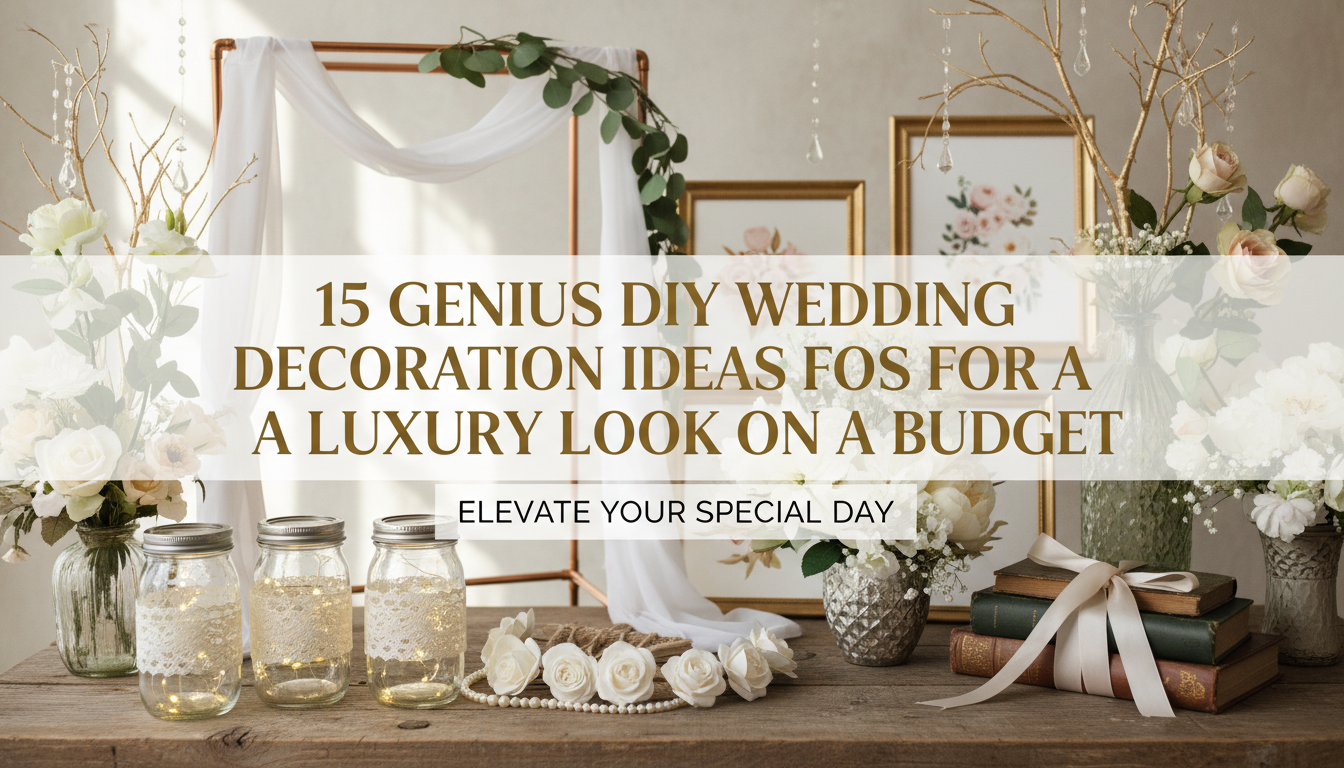
  • 15 Genius DIY Wedding Decoration Ideas for a Luxury Look on a Budget

    15 Genius DIY Wedding Decoration Ideas for a Luxury Look on a Budget

    Planning a wedding often feels like a balancing act between a Pinterest-perfect vision and a realistic bank balance. The term “luxury” in the wedding industry usually carries a hefty price tag, but high-end aesthetics are more about intentional design, cohesive textures, and attention to detail than they are about the total spend. By strategically choosing DIY projects that offer the highest visual impact, you can create an atmosphere that feels curated and expensive without the boutique markup.

    The secret to successful DIY wedding decor is avoiding the “homemade” look. This is achieved by using high-quality materials, sticking to a sophisticated color palette, and knowing which elements are worth your time. Below are 15 genius DIY ideas designed to elevate your wedding day to a luxury level on a modest budget.

    1. Upcycled Mirror Seating Charts

    Nothing says “grand estate wedding” like an oversized, ornate mirror. Instead of renting one, scour local thrift stores or Facebook Marketplace for large, gold-framed mirrors. Use a white chalk marker or custom vinyl decals to list your guest names and table assignments. The reflection adds depth to your venue and creates a high-end focal point for the reception entrance.

    2. Monochromatic Floral Runners

    Professional florists often charge thousands for lush table runners. You can mimic this look by using a “monochromatic” approach. Stick to one type of flower (like white carnations or baby’s breath) and pack them tightly together in low trays. By using a single color, the texture becomes the focus, creating a modern, high-fashion aesthetic that looks far more expensive than a multi-colored bouquet.

    3. Velvet Ribbon Accents

    Luxury is all about tactile experiences. Swapping standard satin or organza for heavy velvet ribbon can instantly elevate your stationery, bouquets, and place settings. Tie long, trailing velvet ribbons around your bridal bouquet or use thin velvet cord to secure napkins. Choose deep jewel tones or muted earth tones to maintain a sophisticated vibe.

    4. Custom Wax Seals for Menus

    Personalization is a hallmark of luxury weddings. Adding a wax seal to your menus or place cards provides an old-world, artisanal feel. You can purchase a custom stamp with your monogram for a small fee and use glue-gun wax sticks to produce dozens of seals in minutes. It’s a small detail that guests will definitely notice and touch.

    5. Strategic “Invisible” Lighting

    Lighting is the most underrated tool in wedding decor. Instead of basic fairy lights, use battery-operated LED “up-lights” tucked behind potted plants or at the base of architectural features. This creates a dramatic, wash-of-color effect often seen in luxury ballroom events. Avoid “cool” blue tones; stick to “warm white” or “amber” for a glow that mimics expensive candlelight.

    6. Hand-Painted Taper Candles

    Plain white candles are functional, but hand-painted tapers are art. Use non-toxic acrylic paint mixed with a tiny bit of candle-painting medium to add delicate floral patterns or gold leaf to standard taper candles. When placed in vintage brass holders, these become bespoke centerpieces that look like they were sourced from a high-end boutique.

    7. Floating Floral Clouds

    If your venue has high ceilings, “floral clouds” are a genius way to fill the space without the cost of massive floor arrangements. Using chicken wire as a base, weave in dried baby’s breath or pampas grass. These materials are lightweight, relatively inexpensive when bought in bulk, and create a dreamlike, ethereal installation that serves as a stunning backdrop for photos.

    8. Acrylic Signage with Gold Leaf

    Acrylic is a staple in modern luxury weddings because of its clean, glass-like appearance. Buy inexpensive acrylic sheets from a hardware store and apply gold leaf to the back in an abstract, “shattered” pattern. Flip it over and write your “Welcome” message or bar menu on the front. The gold leaf adds a layer of opulence that hides any DIY imperfections.

    9. Fabric Ceiling Draping

    Transform a standard community hall or tent by draping long bolts of sheer chiffon or voile from the center point of the ceiling to the walls. This softens the architecture and creates an intimate, “enclosed” feeling. Focus on the draping itself rather than adding lights to it; the fabric alone provides a cleaner, more sophisticated look.

    10. Potted Tree “Orchards”

    Instead of expensive cut floral arrangements that wither, use potted trees like olive or citrus to line your aisle or frame your altar. You can often find these at local nurseries. Wrap the plastic pots in high-quality linen or place them in oversized wicker baskets. Post-wedding, you can plant them in your garden or sell them to recoup your costs.

    11. Pressed Flower Table Numbers

    For a vintage or garden-luxury aesthetic, press wildflowers or greenery between two panes of glass in a floating frame. Use gold vinyl numbers or a metallic marker to indicate the table number. This DIY project looks like a curated museum display and adds a delicate, organic element to your tablescape.

    12. Scented Stationery

    Luxury is a multi-sensory experience. Lightly spritz your wedding programs or place cards with a signature scent (like sandalwood, rose, or bergamot) 24 hours before the event. Store them in a sealed box so the paper absorbs the fragrance. When guests pick up their program, the subtle scent creates an immediate “high-end hotel” impression.

    13. The “Double-Layer” Tablecloth Technique

    To get that thick, expensive-looking table drape seen in bridal magazines, use two tablecloths. Start with a standard polyester floor-length cloth, then layer a slightly smaller linen or textured gauze runner over the top. The added volume and layered textures prevent the table from looking “flat” or cheap.

    14. Vintage Brass Candlestick Groupings

    Uniformity can sometimes look mass-produced. For a luxury feel, collect mismatched brass candlesticks from thrift stores. Group them in clusters of three or five at varying heights. The patina of the old metal combined with the flickering light creates a timeless, “old-money” atmosphere that brand-new decor simply can’t replicate.

    15. Designer-Inspired Escort Card Wall

    Instead of laying cards flat on a table, create a vertical “wall” using a large wooden lattice or a fabric-covered foam board. Use gold-headed pins to hang the cards. This turns a functional necessity into a large-scale decor installation. If you have the budget, hang a single flower bud next to each name for an extra touch of elegance.

    Comparison: DIY Luxury vs. Standard Decor

    Feature Standard Budget Decor DIY Luxury Approach
    Color Palette Multiple bright colors Monochromatic or muted tones
    Materials Plastic, polyester, paper Acrylic, velvet, linen, brass
    Florals Small, varied bouquets Massed single-species “clouds”
    Finishing Mass-produced signage Hand-painted or wax-sealed details

    Pros and Cons of DIY Wedding Decor

    While DIY-ing your wedding decor can save thousands, it is important to weigh the creative freedom against the logistical demands.

    Pros

    • Significant Cost Savings: You bypass the 300-500% markup often applied by wedding vendors.
    • Full Creative Control: Every detail is tailored specifically to your unique vision and color palette.
    • Sustainability: Upcycling thrifted items like mirrors and brass reduces the environmental impact of your wedding.
    • Memorable Details: Guests often appreciate the personal touch and effort put into handmade elements.

    Cons

    • Time Intensive: High-end DIY requires hours of sourcing, assembling, and testing.
    • Stress Factor: Managing decor setup on the morning of the wedding can be overwhelming without a coordinator.
    • Hidden Costs: Tools, adhesives, and failed “trial runs” can add up if you aren’t careful.

    Frequently Asked Questions

    How far in advance should I start my DIY wedding projects?

    For non-perishable items like signage, wax seals, and ribbon prep, start 4 to 6 months before the wedding. Anything involving fresh florals or greenery should be done no more than 24-48 hours before the event to ensure freshness. Always do a “prototype” of your idea 6 months out to ensure it’s feasible.

    Where is the best place to source luxury DIY materials?

    Look beyond the craft store. Estate sales and thrift stores are gold mines for brass, glass, and mirrors. For textiles, check wholesale fabric suppliers rather than retail craft shops. For bulk flowers, consider local flower markets or reputable online wholesalers like FlowerMoxie or FiftyFlowers.

    What is the one DIY project that offers the most “bang for your buck”?

    Upgraded lighting. Swapping standard venue lighting for warm-toned LED up-lights and dozens of flickering candles (real or high-quality LED) provides the most immediate “luxury” transformation for the least amount of effort and money.

    How do I make sure my DIY doesn’t look “cheap”?

    The “Golden Rule” of luxury DIY is to limit your projects. Instead of DIY-ing 20 small things poorly, choose 3 large projects (like a seating chart, lighting, and table linens) and execute them perfectly. Use high-quality textures like linen and velvet, and maintain a strict, sophisticated color palette.

    Can I DIY my wedding flowers and still have them look professional?

    Yes, if you keep it simple. The biggest mistake DIYers make is trying to create complex, multi-bloom arrangements. Stick to “massing” one type of flower or using heavy greenery. Monochromatic arrangements are much more forgiving and naturally look more “designer” than mixed bouquets.


    Topic: DIY wedding decoration ideas on a budget
    Tags: #Genius #DIY #Wedding #Decoration #Ideas #Luxury #Budget