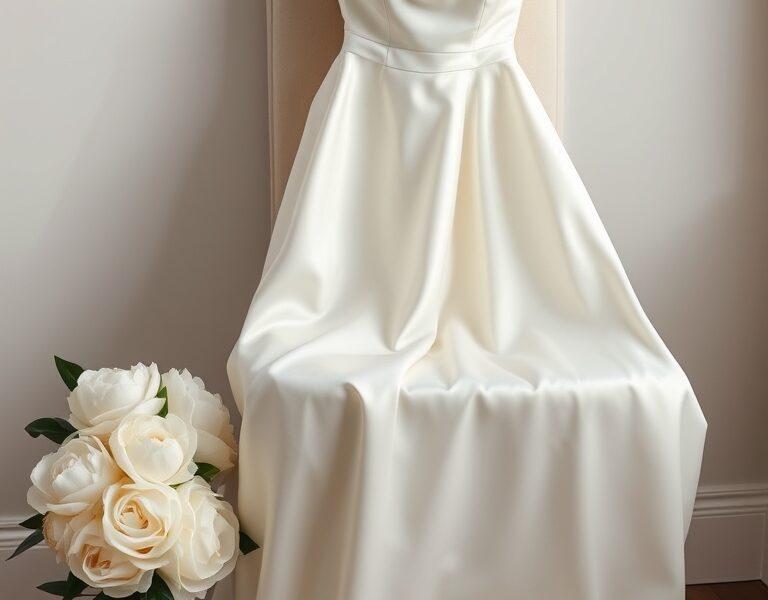
A wedding planning timeline 12 months is the most reliable way to ensure you actually enjoy your engagement instead of spending every waking hour in a spreadsheet. I have seen too many couples rush their decisions in the final three months, leading to unnecessary stress and vendor compromises. By stretching your tasks across a full year, you create a buffer for the unexpected and give your skin and body time to reach their peak bridal glow.

The Foundation: Months 12 to 10
The first three months are about the “big rocks.” If you don’t secure the foundation now, the rest of your 12 month wedding plan will feel unstable. This is where you define the scale and spirit of your celebration.
Defining Your Vision and Budget
Before you look at a single venue, sit down with your partner and decide on a non-negotiable budget. Be honest about what you can afford without going into debt. I recommend creating a separate savings account specifically for wedding expenses to keep your daily finances distinct from your celebration funds.



Securing the Venue and Date
The venue dictates everything. Until you have a signed contract and a date, you don’t actually have a wedding; you have a plan. Consider the logistics: Is the venue accessible for elderly guests? Does it have a backup plan for rain? In high-demand cities, popular venues book up over a year in advance, so this is your top priority.
Drafting the Guest List
You cannot choose a venue without a rough head count. A 50-person intimate gathering requires a completely different space than a 200-person gala. Create a tiered list: “Must-Haves” and “Would-Be-Nice.” This prevents the awkwardness of cutting people later when the venue capacity is strict.
Building the Team: Months 9 to 7
Now that you have a date and a place, it is time to figure out when to book wedding vendors. The best professionals—those who truly understand how to manage a crowd and capture a mood—fill their calendars quickly.
Photographers and Videographers
Visual storytellers are often the first to book. Look for a portfolio that matches your desired aesthetic. Do you prefer dark and moody, or light and airy? Schedule a short call to see if your personalities mesh. You will spend more time with your photographer on the wedding day than with almost anyone else, so chemistry is key.
Catering and Menu Design
If your venue doesn’t provide food, this is your next step. Food is one of the most remembered parts of a wedding. Consider dietary restrictions early. I suggest offering a diverse range of options—vegan, gluten-free, and nut-free—to ensure every guest feels cared for.
The Bridal Beauty Blueprint
This is the perfect time to start your long-term beauty regimen. Dramatic skin changes don’t happen overnight. If you are considering professional treatments like chemical peels, laser therapy, or a strict new skincare routine, start now. This allows you to test how your skin reacts to new products without the risk of a breakout a week before the ceremony.
Refining the Details: Months 6 to 4
The middle of your year of planning is where the wedding starts to feel real. This is the phase of aesthetics and attire.
The Gown and Attire Search
Bridal gowns can take six to nine months to order and fit. Start shopping now. Remember that the dress influences the vibe of the wedding—a sleek slip dress suggests a modern city wedding, while a ballgown leans toward traditional elegance. Don’t forget to account for alterations, which usually happen in the final two months.
Wedding Party and Floral Concepts
Choose your bridesmaids and groomsmen and give them a general mood board for their attire. For flowers, decide on a color palette. Instead of picking specific blooms, tell your florist the “feeling” you want (e.g., “wild garden” or “minimalist chic”). They are the experts and can suggest seasonal flowers that will look fresh and cost less.
Booking the Beauty Team
Secure your makeup artist and hair stylist. Many top artists only take a limited number of weddings per weekend. When booking, ask about their experience with your specific skin type and hair texture. For more tips on looking your best, check out our guide on bridal beauty preparation to ensure a seamless look.
The Final Countdown: Months 3 to 1
The wedding countdown enters its most intense phase. This is about logistics, confirmation, and final polishes.
The Trial Runs
Schedule your hair and makeup trials. I strongly advise doing this while wearing a garment similar to your wedding dress. The neckline of your dress can completely change how your hair should be styled. Take photos from every angle in natural light so you can refer back to them on the big day.
RSVP Management and Seating Charts
As the RSVPs roll in, start your seating chart. This is often the most stressful part of the process. My tip: Group people by “energy levels.” Put the high-energy friends together and the quieter relatives in a more relaxed area of the room.
Final Fittings and Beauty Maintenance
Your final dress fitting should happen about three weeks before the date. For beauty, stop trying any new skincare products or harsh treatments at least 14 days before the wedding. Stick to hydration and gentle exfoliation. This is also the time to ensure your nails and brows are groomed according to your preference.
The Final Week: The Home Stretch
The week before the wedding is not for planning; it is for execution and relaxation.
- Confirm with all vendors: Send a final timeline to every vendor, including arrival times and contact numbers.
- Pack your bridal emergency kit: Include safety pins, mints, a sewing kit, blotting papers, and a few band-aids for blisters.
- Hydrate and Sleep: No amount of concealer can replace the glow of a well-rested bride. Drink plenty of water and aim for 8 hours of sleep.
- Delegate: Assign a trusted friend or family member to be the point of contact for vendors on the day so you can stay in your bubble.
Why a Structured Timeline Matters
Following a wedding planning timeline 12 months prevents the “decision fatigue” that plagues so many couples. When you have a set list of tasks for each month, you don’t have to wake up and wonder, “What am I forgetting?” You simply look at your list and tackle the current month’s goals.
Furthermore, a longer timeline allows for better financial management. Instead of paying for everything in one massive lump sum, you can spread your deposits and final payments across the year. This makes the process feel more like a journey and less like a financial crisis.
For those interested in the psychological impact of wedding stress, the American Psychological Association provides excellent resources on managing stress during major life transitions, which can be incredibly helpful during the final month of planning.
Pro Tips for a Seamless Experience
I have worked with many couples, and the ones who remain the happiest are those who leave room for spontaneity. While the timeline is essential, don’t let it become a rigid set of rules that sucks the joy out of the process.
The “Wedding-Free” Zone
Establish one night a week where wedding talk is strictly forbidden. Whether it’s Friday date night or Sunday brunch, use this time to reconnect as a couple. Remember that the wedding is one day, but your marriage is for a lifetime.
Digital Organization
Use a shared digital folder (like Google Drive or Dropbox) for all your contracts, inspiration photos, and spreadsheets. This ensures both partners have access to the information and prevents the “I thought you handled that” arguments.
The Beauty Buffer
Always schedule your final beauty appointments (like a manicure or a facial) a few days before the event, not the day before. This gives any unexpected redness or irritation time to subside.
Frequently Asked Questions
How do I start a wedding planning timeline 12 months out?
Start by establishing your total budget and your guest count. Once you have these two numbers, you can search for a venue that fits your size and price point. Once the venue is booked, the date is locked, and you can begin booking other vendors in order of demand (photographers first, then catering, then beauty teams).
What happens if I have less than a year to plan?
If you are on a shorter timeline, you can compress the 12-month plan. Combine the first three months into one. Focus on the “big three” immediately: venue, attire, and photographer. You may have fewer choices for dates or vendors, but by focusing on the essentials first, you can still have a beautiful, organized event.
When is the best time to book a makeup artist?
Ideally, you should book your beauty team 6 to 9 months in advance. Popular artists often book up for peak wedding seasons (like spring and autumn) very quickly. Once you have your venue and date confirmed, reach out to your top three choices to check their availability.
How often should I do bridal skincare treatments?
For long-term goals, monthly facials or chemical peels are common starting 6 to 12 months out. However, as you get closer to the wedding, you should transition to gentler treatments. Stop any aggressive peels or new acids 4 weeks before the wedding to avoid any adverse reactions.
Can I plan a wedding without a professional planner?
Yes, absolutely. By using a detailed wedding planning timeline 12 months, you can manage the process yourself. The key is organization and delegation. Use checklists, keep a strict budget, and don’t be afraid to ask your bridal party to help with smaller tasks like assembling welcome bags or tracking RSVPs.
Leave a Reply