
How to fade dark spots before your wedding can be achieved with a gentle, science‑backed routine that respects your skin’s natural healing process. This guide walks you through every step, from understanding what causes pigmentation to applying simple, daily practices that may help you see noticeable improvement in weeks, not months.
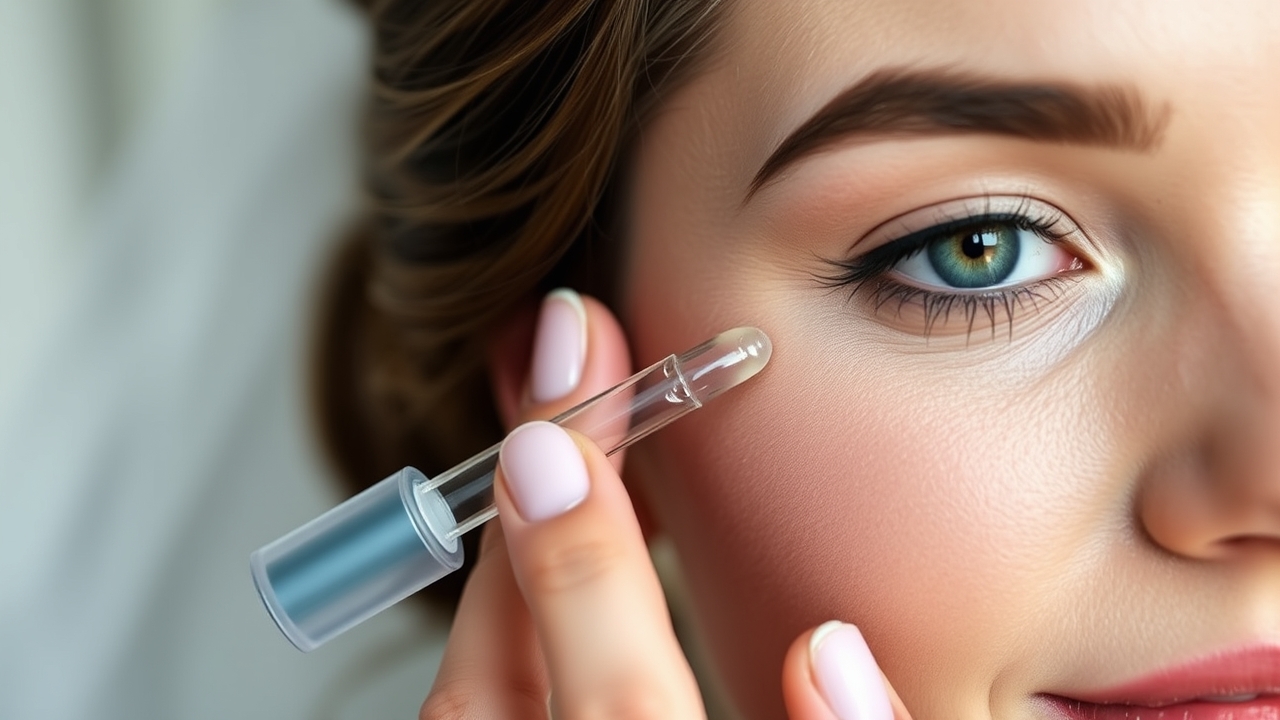
How to Fade Dark Spots Before Your Wedding: The Science Behind It
Dark spots, or hyperpigmentation, arise when excess melanin deposits in the skin. Common triggers include sun exposure, hormonal shifts, acne scars, or even the stress of wedding planning. The key to fading them is to gently encourage the skin’s renewal cycle and protect the new cells from further damage.
Scientific studies show that ingredients like vitamin C, niacinamide, and alpha‑hydroxy acids (AHAs) can help slow melanin production and brighten the complexion. However, you should introduce active ingredients gradually, especially if you’re new to them, to avoid irritation.


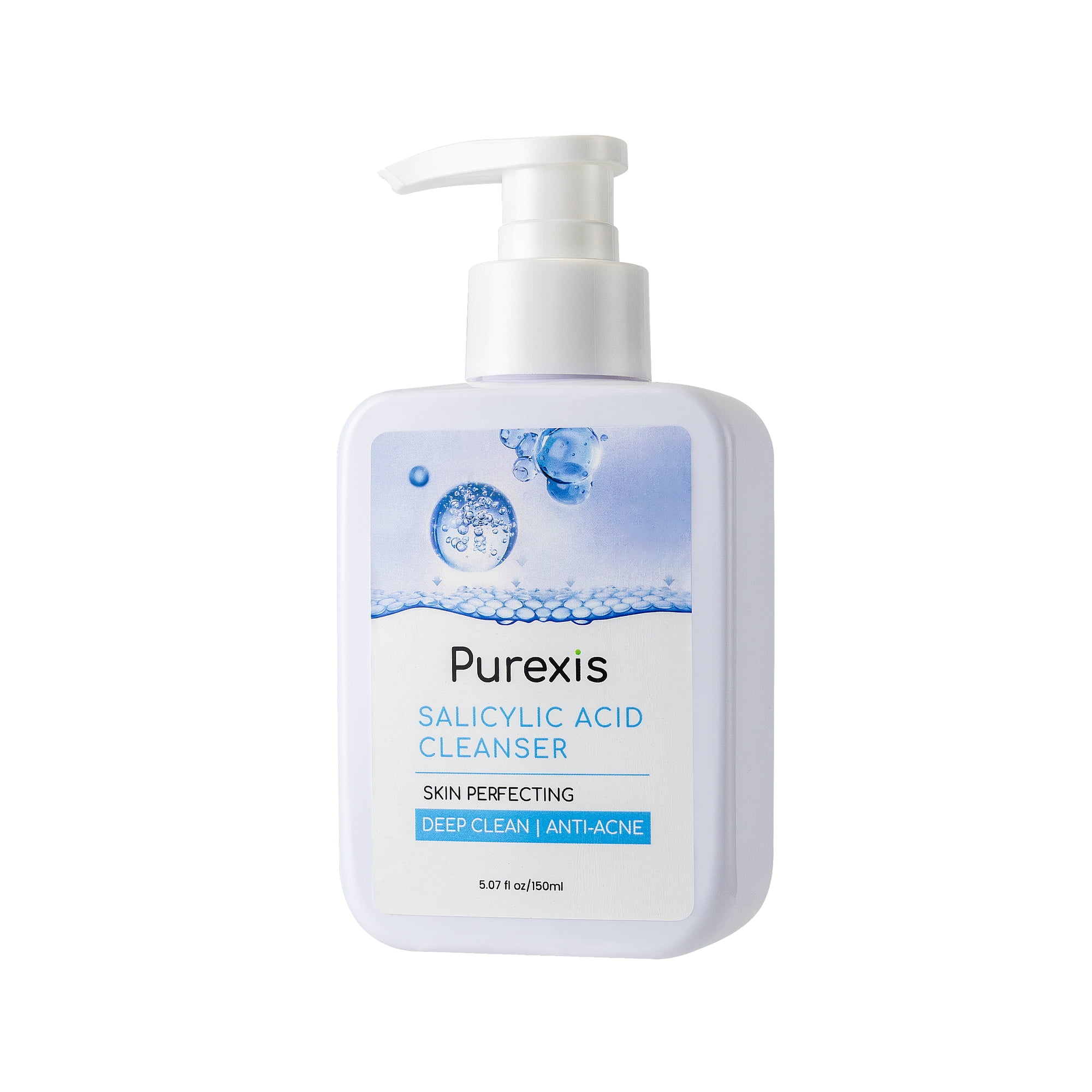
For a deeper dive into how skincare ingredients work, check out the skincare science on Wikipedia.
1. Understand Your Skin Type and Concerns
Before you pick products, identify whether you have oily, dry, combination, or sensitive skin. Dark spots can look different depending on your base tone:
- Oily skin: Spots may appear darker and more pronounced.
- Dry skin: Spots can look patchy and uneven.
- Combination: You’ll need a balanced routine that doesn’t over‑dry one area or over‑hydrate another.
- Sensitive skin: Start with lower concentrations of actives and use soothing ingredients like centella or aloe.
Knowing your skin type helps you choose the right vehicle (serum, cream, gel) and concentration, reducing the risk of redness or breakouts.
2. Build a Customized Morning Routine
Morning care is your first line of defense against UV‑induced pigmentation. Follow these steps:
- Gentle Cleanser: A foaming or gel cleanser that removes overnight oil without stripping moisture. Example: La Roche‑Posay Toleriane Hydrating Gentle Cleanser.
- Vitamin C Serum (10–20%): Apply 2–3 drops to damp skin. Vitamin C is a powerful antioxidant that inhibits tyrosinase, the enzyme that produces melanin.
- Moisturizer: Choose a lightweight, non‑comedogenic formula. Look for hyaluronic acid for hydration and niacinamide for barrier support.
- Broad‑Spectrum SPF 30+: Apply 2–3 pumps to your entire face and neck. Reapply every 2 hours if you’re outdoors.
Tip: If you have a busy day, consider a tinted moisturizer with SPF for a quick, even base.
3. Build a Customized Evening Routine
Nighttime is when the skin repairs itself. Here’s a step‑by‑step guide:
- Double Cleanse: First with oil‑based cleanser to remove makeup, then with your gentle foaming cleanser.
- Exfoliation (2–3 times per week): Use a 5–10% AHA (glycolic or lactic acid) to slough away pigmented cells. Start with 5% and increase as tolerated.
- Targeted Spot Treatment: Apply a thin layer of a hydroquinone‑free serum (e.g., 2% azelaic acid) to the most stubborn spots.
- Retinoid (1–2 nights per week): A low‑strength retinol (0.25–0.5%) speeds cell turnover. Use on nights you skip AHA to avoid over‑exfoliation.
- Hydrating Serum: A hyaluronic acid gel keeps the skin plump and reduces irritation.
- Barrier‑Boosting Moisturizer: Look for ceramides, panthenol, and niacinamide.
Remember to patch‑test new actives on your jawline before full application.
4. Lifestyle and Diet for Brighter Skin
What you eat and how you live directly impacts pigmentation:
- Antioxidant‑Rich Foods: Berries, leafy greens, nuts, and green tea help neutralize free radicals that accelerate melanin production.
- Hydration: Aim for 2–3 liters of water daily to keep the skin barrier functioning.
- Sleep: 7–9 hours per night gives your skin time to repair.
- Stress Management: High cortisol levels can worsen pigmentation. Try yoga, meditation, or short walks.
- Sun Protection Habits: Wear a wide‑brim hat, sunglasses, and seek shade during peak hours.
Incorporating these habits can accelerate the brightening effect of your skincare routine.
5. Professional Treatments: When and How
If home care isn’t giving you the desired results, consider these options. Schedule them at least six weeks before the wedding to allow for healing:
- Chemical Peels: Mild (10–15% glycolic acid) or medium (20–30% TCA) peels can reduce pigmentation. A professional can tailor the depth to your skin type.
- Laser Therapy: Intense Pulsed Light (IPL) or Q‑switched Nd:YAG lasers target melanin with precision. Ideal for stubborn dark spots.
- Microneedling with PRP: The combination of microneedling and platelet‑rich plasma stimulates collagen and promotes even tone.
- Dermal Fillers: For post‑acne scarring, fillers can lift and even out the skin surface, reducing the appearance of spots.
Always consult a board‑certified dermatologist or licensed aesthetician before starting any professional therapy.
6. Makeup Strategies for a Flawless Wedding Day
Even with a brightened base, you’ll need makeup that holds up under cameras and humidity.
- Primer: A silicone‑based primer smooths pores and extends coverage.
- Foundation: Choose a dewy, medium‑coverage foundation that doesn’t mask the skin’s natural glow.
- Concealer: Use a brightening concealer (e.g., with a touch of green or blue undertone) to neutralize lingering spots.
- Setting Powder: A translucent, finely milled powder keeps shine at bay without adding heaviness.
- Setting Spray: A hydrating mist with aloe or chamomile calms the skin and locks the look.
Practice your full wedding look at least a week before to ensure the products blend well and last throughout the day.
7. Post‑Wedding Skin Recovery
After the vows, your skin will need extra care to maintain the glow you’ve worked for.
- Gentle Cleansing: Switch to a sulfate‑free cleanser to avoid stripping the barrier.
- Hydrating Mask: A sheet mask with hyaluronic acid or rose water can soothe post‑event redness.
- Continue Brightening: Keep using vitamin C and niacinamide to maintain even tone.
- Limit Retinoids: Reduce frequency to 2–3 nights per week to prevent over‑exposure.
- Sun Protection: The post‑wedding period can still involve outdoor celebrations; keep SPF as a daily staple.
Practical Timeline for Fading Dark Spots Before Your Wedding
Below is a practical 12‑week schedule that balances effort with realistic results. Your wedding day is week 12; you’ll start seeing improvements by week 4 if you stay consistent.
| Week | Focus |
|---|---|
| 1‑2 | Introduce gentle cleanser, moisturizer, and SPF. Begin vitamin C serum. |
| 3‑4 | Add AHA exfoliation 2×/week. Start niacinamide serum. |
| 5‑6 | Introduce spot treatment on dark areas. Continue previous steps. |
| 7‑8 | Add low‑strength retinoid 1–2 nights/week. |
| 9‑10 | Maintain routine; evaluate any irritation and adjust accordingly. |
| 11‑12 | Focus on hydration and sunscreen. Prepare for makeup trial. |
Remember, skin reacts differently; if you notice redness or peeling, reduce active ingredient frequency.
Daily Maintenance Tips for the Wedding Week
During large events, the skin’s barrier can feel stressed. These quick fixes keep your glow intact:
- Use a hydrating mist in the morning to refresh.
- Apply a thin layer of a soothing serum before makeup.
- Choose a lightweight, non‑comedogenic concealer that blends smoothly.
- Finish with a setting spray that contains soothing ingredients.
- Stay away from heavy, oil‑based products that can clog pores.
When to Seek Professional Advice
If you have stubborn pigmentation that doesn’t respond to home care, consider a dermatologist. Professional treatments like laser therapy or chemical peels may be appropriate, but they should be scheduled at least six weeks before the wedding to allow healing.
FAQ
- How to fade dark spots before your wedding can be done quickly?
- While overnight results aren’t realistic, consistent use of brightening ingredients over 4–6 weeks can noticeably lighten spots. Patience and consistency are essential. For a faster boost, you can add a gentle 5% glycolic acid toner once a week, but avoid over‑exfoliation.
- Can I use retinoids during the wedding week?
- Retinoids increase sensitivity, so it’s best to stop them a week before the big day. Use a gentle moisturizer and SPF instead. If you’re already on a retinoid, simply taper to once a week and switch to a hydrating serum on the wedding day.
- What’s the best sunscreen for wedding day?
- A broad‑spectrum SPF 50+ that’s non‑comedogenic and water‑resistant will protect your skin without leaving a white cast. Look for mineral formulas with zinc oxide or titanium dioxide for extra coverage.
- Will brightening serums affect my makeup look?
- Brightening serums create a radiant base, so you may need less concealer. They also help makeup stay smoother and last longer. Test your full look a week before to ensure compatibility.
- How can I ensure my skin stays hydrated during the ceremony?
- Apply a lightweight hyaluronic acid gel before the ceremony and keep a small bottle of hydrating mist nearby to refresh as needed. Avoid heavy creams that can feel greasy under the lights.
For more wedding beauty inspiration, visit our bridal beauty guide and explore additional tips tailored to every bride’s unique journey.
Leave a Reply