
When you book a destination wedding, you’re not just arranging a ceremony—you’re curating an entire experience for you, your partner, and every guest who will travel across borders to celebrate. The stakes are higher: every detail, from the first flight to the last dance, must be orchestrated with precision. Below is a step‑by‑step playbook that turns the daunting task of planning abroad into a series of manageable, concrete actions.
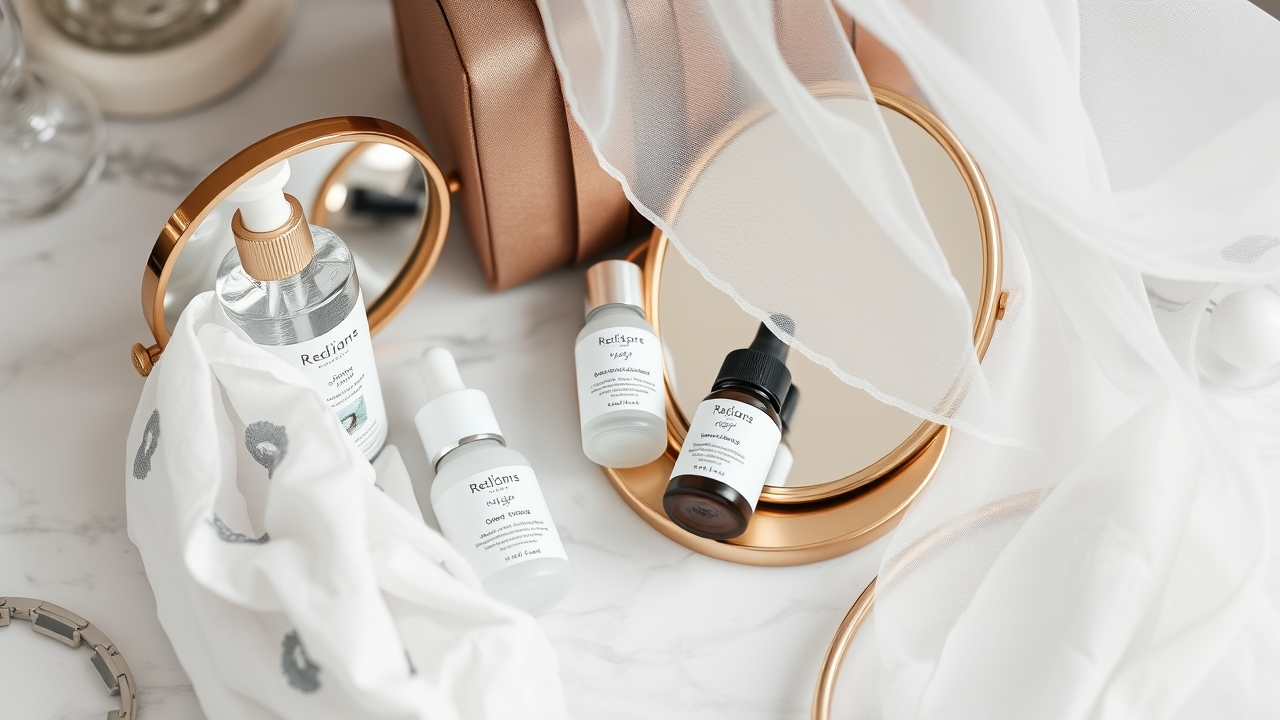
How to Plan Destination Wedding Logistics Without the Stress
Start with a realistic budget that includes every hidden cost. In your hometown, you might know that a florist charges a flat fee. Abroad, the same bouquet could cost twice as much once you factor in shipping, customs duties, and local taxes. Create a spreadsheet that lists every line item—from airfare and accommodation to local taxes and emergency funds—and update it as soon as you receive quotes.
- Choose a Hub City: Pick a destination with a major international airport and a robust public‑transport network. For example, Barcelona’s El Prat Airport offers direct flights from most North American cities, reducing layovers and transportation headaches for guests.
- The Legalities: Many countries require a civil ceremony in your home country before the destination event, or they mandate that marriage documents be translated and notarized. Research the specific requirements of your chosen country—often found on the local embassy’s website—and schedule the paperwork at least 12 months in advance.
- Local Coordination: Hire a planner who speaks the local language and has a network of vetted vendors. A local coordinator can negotiate vendor contracts in real time, handle last‑minute changes, and navigate customs paperwork for imported items.
Essential Beach Wedding Tips for Beauty and Attire
Sand, salt, and humidity can sabotage even the most polished look. If your wedding is set on a tropical beach, design your beauty routine around the climate rather than the dress. Think of your look as a “climate‑first” strategy: choose products that withstand heat, wind, and sea spray.


Managing Hair and Makeup in Humidity
Humidity makes hair swell and makeup slip. To counteract this, opt for long‑wear, waterproof formulas. Replace heavy cream foundations with a lightweight, buildable tinted moisturizer that offers a natural finish. For hair, a low‑maintenance updo—such as a loose braid or a soft chignon—provides structure without the risk of frizz. If you prefer a blowout, finish with a high‑spray hold that can endure a breeze.
Sun protection is non‑negotiable. Begin a hydrating skincare routine 12 weeks before the wedding, incorporating a broad‑spectrum SPF 50 daily. On the day of the ceremony, apply a mineral‑based sunscreen to the face, neck, and any exposed skin. A quick touch‑up with a translucent powder will keep shine at bay while preserving the natural glow of your skin.
Choosing the Right Fabrics
Heavy satins and velvets are ill‑suited for beach settings. Instead, lean toward fabrics that breathe and move with the wind:
- Silk Chiffon: Its airy drape catches the breeze without clinging to the body.
- Organza: Stays crisp and light, yet retains a subtle sheen that reflects the sun.
- Lace: Offers texture while remaining breathable; choose a lace with a relaxed pattern to avoid snagging on driftwood.
Abroad Wedding Planning: Navigating Vendor Relations
When you’re coordinating with vendors you’ve never met in person, trust is built through documentation and visual clarity. Create a mood board that includes specific product samples, color swatches, and layout sketches. Share this board via a shared Google Drive folder or a dedicated Pinterest board, and request that each vendor confirms their understanding in writing.
Language barriers can lead to miscommunication. Whenever possible, request a bilingual contract that contains both English and the local language. This protects you from ambiguous clauses and ensures that every party is on the same page.
Plan a “trial run” for hair and makeup on the day before the ceremony. Arriving early gives the artist a chance to test how the local humidity affects your look and to make adjustments before the big day.
The Ultimate Travel Wedding Guide for Guest Experience
Your guests are investing time, money, and travel fatigue to celebrate with you. A well‑structured travel guide reduces the number of repetitive questions and allows everyone to enjoy the destination.
Creating a Comprehensive Guest Portal
Instead of a long email thread, launch a dedicated wedding website. Include the following sections:
- Accommodation Suggestions: List a range of lodging options—from boutique hotels to curated Airbnbs—complete with pricing tiers and booking links.
- Packing Lists: Provide a detailed list that specifies dress codes, footwear, and essential items like a sun hat, a light jacket for cooler evenings, and a waterproof bag for beach accessories.
- Local Tips: Recommend three must‑visit cafés, a scenic walking route, and a local market that offers fresh fruit and artisanal souvenirs.
- Transportation: Explain the shuttle schedule from the airport to the hotel, and the shuttle from the hotel to the ceremony venue. Include a contact number for the local driver and a QR code that links to a map.
Managing the Itinerary
Travel can be exhausting, especially when jet lag sets in. Give guests a “free day” after arrival to recover. Offer optional activities—such as a guided beach yoga session or a sunset cruise—so guests can choose their level of engagement. This balance keeps the energy high for the ceremony without overloading the schedule.
Advanced Destination Wedding Planning Tips for Beauty Longevity
To keep your look flawless from the first kiss to the last dance, assemble a “touch‑up kit” that travels with your maid of honor or local coordinator. Pack the following:
- Blotting Papers: Compact sheets that remove excess oil without smudging makeup.
- Setting Spray: A high‑performance formula that locks in color and reduces shine.
- Transparent Powder: Lightly dusted over the T‑zone to control shine in photographs.
- Lip Color: A single shade that matches your wedding palette for re‑application after dinner.
- Safety Pins & Mini Sewing Kit: For quick fixes if a veil tears or a dress hem slips.
Hydration is key to a radiant complexion. Use a hydrating sheet mask the night before the ceremony and double your water intake during travel. A well‑moisturized skin will reflect light beautifully in photos and feel supple under the sun.
Handling the Unexpected: Risk Management Abroad
Even the best‑planned weddings can face surprises. Mitigate risk with a layered contingency plan:
- Indoor Backup: Secure a contract with a nearby indoor venue that can accommodate your ceremony if weather turns sour.
- Insurance: Choose a policy that covers venue cancellation, vendor non‑performance, and travel disruptions. Look for coverage that includes natural disasters and health emergencies.
- Document Safety: Keep digital copies of passports, marriage licenses, and contracts in a password‑protected cloud folder. Store physical copies in a waterproof, fire‑proof safe.
For detailed information on international travel requirements, consult the U.S. Department of State website. Their travel alerts and visa information will help you avoid last‑minute surprises.
Final Touches for a Seamless Celebration
As the wedding date approaches, shift focus from planning to presence. Set a hard stop—usually one week before departure—after which no major changes are made. This allows you to relax, taste the local cuisine, and soak in the atmosphere that will frame your vows.
If you’re still refining your look, explore our other bridal beauty guides for advanced skincare and makeup techniques. Remember, the most enduring beauty of a destination wedding is the calm confidence you carry into the ceremony.
Frequently Asked Questions
What are the most important destination wedding planning tips for beginners?
Begin by hiring a local coordinator who can navigate the cultural and logistical nuances of the destination. Build a budget that covers travel, accommodation, and vendor shipping fees. Research legal requirements early, and create a detailed travel guide for your guests to reduce uncertainty.
How do I keep my makeup from melting at a beach wedding?
Use waterproof, long‑wear products and start with a primer that anchors the foundation. Choose a lightweight tinted moisturizer instead of a heavy cream base, and finish with a high‑spray setting spray. Keep blotting papers handy to manage shine without disturbing the base.
Should I bring my own vendors or hire local ones?
Local vendors often offer better rates and can adapt to the local environment. For critical roles like photography or hair and makeup, consider bringing a trusted professional if you have a specific vision that local vendors may not match. Weigh the cost of travel against the peace of mind of a familiar style.
How far in advance should I send the travel guide to guests?
Send a “Save the Date” with the destination at least 8–12 months before the ceremony. Publish the full travel guide on your wedding website once the venue and vendors are confirmed, and send a final itinerary 2–3 months prior to the event.
What fabrics are best for an abroad wedding in a hot climate?
Opt for breathable, lightweight fabrics such as silk chiffon, organza, or light lace. Avoid heavy satins, velvets, or polyester blends that trap heat and become uncomfortable in humid conditions.
Leave a Reply