Choosing the right foundation technique for your wedding day is one of the most critical decisions in your bridal beauty journey. Your makeup needs to survive emotional vows, humid receptions, and hours of dancing, all while looking flawless in high-definition photography. As a professional makeup artist who has prepped hundreds of brides, I know that the “Airbrush vs. Traditional” debate is often the first question on every client’s mind.
The truth is, neither method is objectively “better” than the other. The right choice depends entirely on your skin type, the climate of your wedding, and your personal style preferences. In this guide, we will break down the science, the application, and the real-world performance of both techniques to help you make an informed decision for your big day.
Understanding Airbrush Makeup
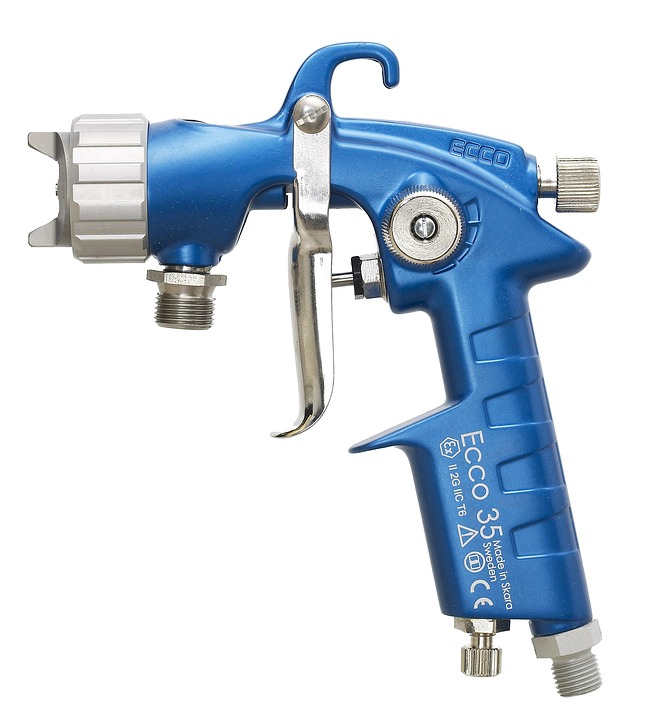
Airbrush makeup involves a small, pen-like applicator powered by a compressor that sprays a fine mist of pigment onto the skin. Instead of being rubbed or buffed into the pores, the foundation sits on top of the skin in thousands of tiny droplets. This creates a soft-focus, “filtered” effect that is highly coveted for photography.
Most professional airbrush formulas are silicone-based, which makes them incredibly water-resistant and transfer-proof. Once the mist “sets,” it becomes a thin, durable layer that doesn’t budge easily, even if you’re prone to happy tears or sweating on the dance floor.
The “HD” Advantage
Because the particles are so fine, airbrushing doesn’t leave visible brush strokes or sponge marks. This makes it a gold standard for 4K video and high-resolution photography. It provides a lightweight feel that many brides describe as “not feeling like I’m wearing makeup at all.”
Understanding Traditional Makeup
Traditional makeup refers to liquid, cream, or powder foundations applied with brushes, sponges, or fingers. While it may sound “basic,” modern professional formulas are anything but. Today’s traditional foundations are engineered with advanced technology to mimic the look of real skin while providing incredible longevity.
The primary advantage of traditional makeup is its versatility. An artist can custom-blend shades, mix in oils for a dewy glow, or use specific primers to target different areas of the face. It allows for a more “hand-painted” approach, where coverage can be built up exactly where needed without looking cakey.
The Texture Specialist
Traditional makeup is often superior at concealing specific skin concerns. Because it is buffed into the skin, it can help “fill in” and smooth over larger pores, fine lines, or active breakouts in a way that the surface-level mist of an airbrush cannot always achieve.
Airbrush vs. Traditional: At a Glance
| Feature | Airbrush Makeup | Traditional Makeup |
|---|---|---|
| Finish | Matte to Satin; “Filtered” look | Versatile (Dewy, Satin, or Matte) |
| Longevity | 12–18 hours; Highly water-resistant | 10–14 hours; Easily touchable |
| Feel | Lightweight, “weightless” | Varies from sheer to full-coverage |
| Best For | Oily/Combination skin; Humid climates | Dry skin; Textured or mature skin |
| Touch-ups | Difficult to repair if streaked | Very easy to blend and fix |
Which One is Right for Your Skin Type?
Your skin’s natural behavior is the best indicator of which foundation method will succeed. As an artist, I always perform a thorough skin analysis before making a recommendation.
Oily and Combination Skin
If you find that your makeup usually “slides” off by midday, airbrushing is likely your best friend. The silicone-based formulas act as a barrier against oil production. It stays “locked” on the surface of the skin far longer than most liquid foundations.
Dry and Flaky Skin
Airbrushing can sometimes be a nightmare for very dry skin. Because the mist sits on top of the skin, it can catch on dry patches or “peach fuzz,” making them more visible. For dry or dehydrated skin, traditional liquid foundations are often better because they contain hydrating ingredients that can be massaged into the skin for a seamless finish.
Acne and Texture Concerns
While airbrushing provides great color correction, it doesn’t always hide texture well. If you have raised blemishes or deep scarring, traditional makeup allows the artist to use “stippling” techniques to camouflage those areas more effectively. A combination approach—traditional concealer followed by an airbrush finish—is often the secret to a perfect complexion.
The Pros and Cons
Airbrush Makeup
- Pro: Incredible longevity and transfer resistance (won’t rub off on the groom’s suit!).
- Pro: Looks flawless in high-definition photography.
- Pro: Feels very lightweight and breathable on the skin.
- Con: Can be difficult to “fix” if you cry heavily and a streak occurs.
- Con: Often more expensive than traditional application due to equipment costs.
Traditional Makeup
- Pro: Highly customizable coverage and finish (from ultra-glowy to full glam).
- Pro: Excellent for hiding skin texture, fine lines, and dry patches.
- Pro: Easy to touch up with a powder or sponge throughout the night.
- Con: Can feel “heavier” if not applied by a skilled professional.
- Con: More prone to transferring if not set properly with professional sprays.
The Expert’s Verdict
After years of working with brides, my verdict is this: The skill of the artist matters more than the tool they use.
If you want a matte, “red carpet” look that stays bulletproof through a 100-degree outdoor wedding, Airbrush is the winner. It provides a level of durability that is hard to match with hand-applied products.
However, if you want a luminous, “skin-like” glow or if you have specific texture concerns like dryness or fine lines, Traditional Makeup is the superior choice. It allows for the nuance and blending required to make the skin look healthy and hydrated in person.
My Professional Tip: Always book a trial. Wear the makeup for at least 8 hours. See how it reacts to your natural oils, how it looks in different lighting, and—most importantly—how you feel in it. Your comfort and confidence are what will truly make you glow on your wedding day.
Frequently Asked Questions
Is airbrush makeup better for crying?
Airbrush makeup is highly water-resistant, meaning tears will usually bead up and roll off without removing the pigment. However, you must “dab” the tears away, not wipe them. If you wipe your face, you may create a streak that is difficult to blend back in with airbrushing. Traditional makeup is easier to “buff” back into place if a streak occurs.
Does airbrush makeup look “cakey”?
Quite the opposite. When applied correctly, airbrush makeup is one of the thinnest layers of foundation possible. It only looks cakey if the artist applies too many passes or uses an incorrect formula for your skin type. This is why hiring an experienced artist is essential.
Can I use traditional makeup if I have oily skin?
Absolutely. With the right mattifying primers and professional-grade setting powders/sprays, traditional makeup can last just as long as airbrushing. Many “long-wear” traditional foundations are specifically formulated for 24-hour wear.
Is airbrush makeup more expensive?
Generally, yes. Most artists charge a premium (typically $25–$50 extra) for airbrushing. This covers the cost of the specialized pigments, the maintenance of the compressor/airbrush gun, and the advanced training required to master the technique.
—
Topic: Airbrush makeup vs traditional makeup for wedding
Tags: #Airbrush #Traditional #Wedding #Makeup #Expert #Artists #Verdict