Blog

  • 10 Romantic Affordable Honeymoon Destinations in Europe: 2026 Guide

    10 Romantic Affordable Honeymoon Destinations in Europe: 2026 Guide

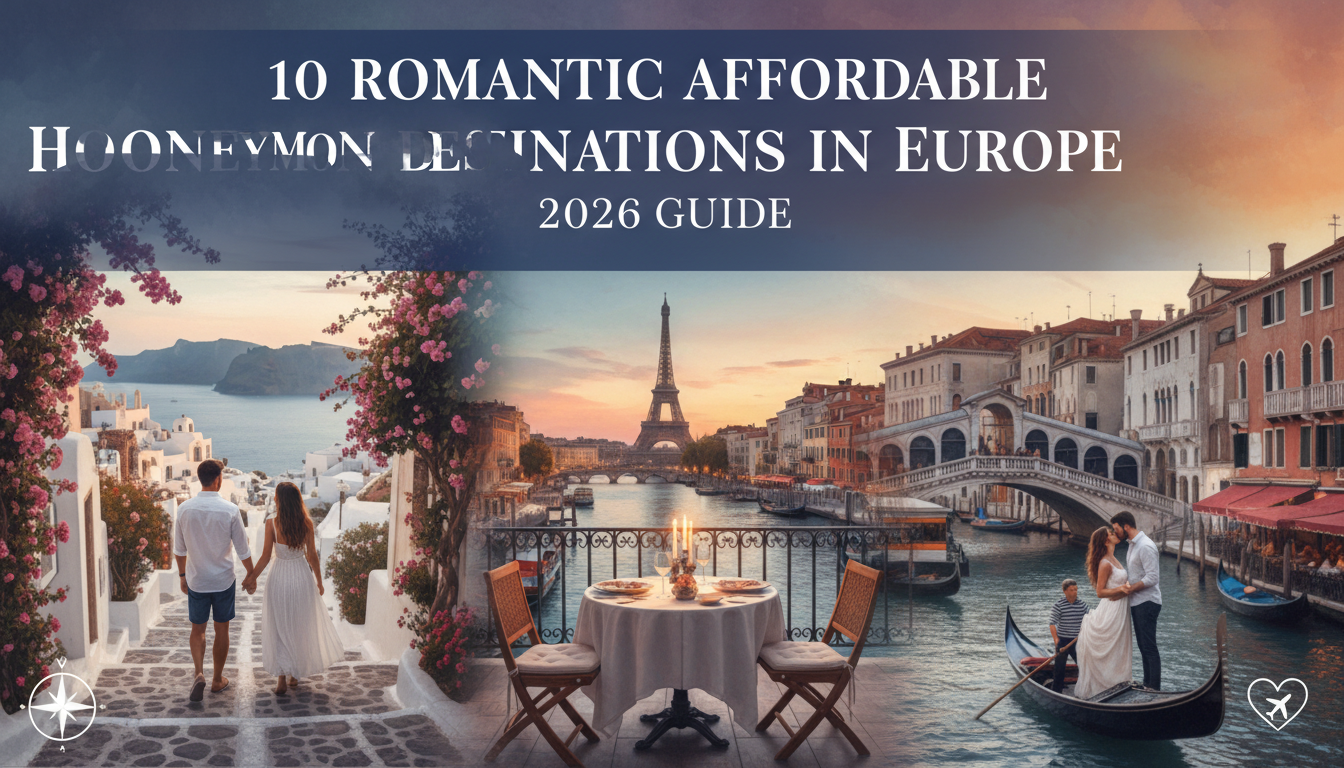
    Planning a honeymoon is one of the most exciting parts of the wedding journey, but in 2026, couples are facing a new reality: rising travel costs and the desire for more authentic, less-crowded experiences. You don’t need a five-figure budget to enjoy a fairytale start to your marriage. Europe remains home to some of the world’s most romantic corners that offer “champagne vibes on a prosecco budget.”

    The key to an affordable European honeymoon in 2026 is looking beyond the “Big Three” (Paris, Rome, and Santorini) and exploring destinations where your currency stretches further without sacrificing an ounce of charm. From the sun-drenched coasts of the Balkans to the cobblestone streets of Central Europe, here are ten destinations that redefine affordable luxury.

    1. Crete, Greece

    While Santorini and Mykonos often hog the spotlight—and the lion’s share of honeymoon budgets—Crete offers a more diverse and affordable alternative. As Greece’s largest island, it provides everything from pink-sand beaches like Elafonisi to the rugged beauty of the White Mountains.

    For romance, head to Chania. Its Venetian harbor is lined with atmospheric restaurants that serve world-class Mediterranean cuisine at a fraction of the price found in the Cyclades. In 2026, boutique “Agroturismo” stays are trending here, allowing couples to stay in renovated olive oil mills or stone farmhouses for a fraction of the cost of a luxury resort.

    2. Porto and the Douro Valley, Portugal

    Portugal continues to be one of Western Europe’s most budget-friendly gems. Porto, with its tiled facades and riverfront sunsets, is inherently romantic. You can spend your days wandering the Ribeira district and your evenings sipping world-famous Port wine overlooking the Douro River.

    To elevate the honeymoon, take a scenic train ride into the Douro Valley. Many vineyards (quintas) offer luxury accommodation and private tastings. Because the region is less commercialized than the South of France, you can often find 5-star experiences for 3-star prices.

    3. Kotor, Montenegro

    If you love the look of the Italian lakes but not the price tag, Montenegro is your answer. The Bay of Kotor is a dramatic, fjord-like inlet surrounded by limestone cliffs and medieval towns. It is intimate, breathtakingly beautiful, and significantly cheaper than neighboring Croatia.

    Couples can stay in renovated stone palazzos in Perast or the Old Town of Kotor. Hiring a private boat to explore the “Our Lady of the Rocks” island is a must-do romantic activity that won’t break the bank. Montenegro’s proximity to the Adriatic makes it easy to combine with a trip to Dubrovnik if you want a taste of the high life for a day or two.

    4. Kraków, Poland

    For couples who find romance in history, folklore, and grand architecture, Kraków is an unbeatable 2026 pick. The city survived the wars largely intact, leaving a stunning Old Town (Stare Miasto) that feels like a movie set. The Main Market Square is one of the largest and most beautiful in Europe.

    Kraków is exceptionally affordable for dining and accommodation. You can enjoy a candlelit, three-course dinner in a vaulted medieval cellar for under $60 per couple. A sunset stroll along the Vistula River or a visit to the Wawel Royal Castle adds a touch of royal elegance to your trip.

    5. The Albanian Riviera (Sarandë and Ksamil)

    Albania is the “rising star” of European tourism for 2026. The Southern coast, known as the Albanian Riviera, features turquoise waters and white pebble beaches that rival the Ionian Islands of Greece. Ksamil, in particular, is famous for its small islands that you can swim or boat to.

    Because Albania is not yet on the Euro, your purchasing power is high. Luxury beachfront hotels are often half the price of similar properties in Italy or Spain. It’s the perfect spot for couples who want a tropical-feeling beach honeymoon without the long-haul flight costs.

    6. Seville, Spain

    Seville is the soul of Andalusia. It’s a city of orange blossoms, flamenco, and Moorish palaces. While Madrid and Barcelona can be pricey, Seville offers an incredible “tapas culture” where eating and drinking is both a social event and a bargain. Many bars provide a small plate of food for free or a few Euros with every drink.

    The Plaza de España at sunset is one of the most romantic spots in the world. For a 2026 honeymoon, consider visiting in the “shoulder seasons” of April-May or September-October to avoid the summer heat and peak hotel prices.

    7. Budapest, Hungary

    Known as the “Paris of the East,” Budapest offers grand neo-Gothic architecture and wide boulevards at a significantly lower price point. The city is split by the Danube River, with “Buda” offering hilly views and “Pest” providing vibrant nightlife and dining.

    A quintessential romantic experience here is visiting the historic thermal baths, such as Széchenyi or Gellért. For a truly memorable evening, book a late-night river cruise to see the Parliament building illuminated—it’s an iconic view that feels incredibly high-end despite the modest ticket price.

    8. Puglia, Italy

    If you have your heart set on Italy, skip the Amalfi Coast and head to the “heel” of the boot. Puglia is famous for its whitewashed hill towns, olive groves, and the unique trulli (cone-roofed stone huts) of Alberobello. The region is more rustic and authentic, with prices for food and accommodation that reflect local life rather than tourist traps.

    The beaches in the Salento region are often called the “Maldives of Italy” because of their clear, shallow water. Renting a car to drive between towns like Polignano a Mare and Ostuni is a classic, romantic way to see the region on your own schedule.

    9. Prague, Czech Republic

    Prague is a timeless honeymoon destination. Its “City of a Hundred Spires” skyline is best viewed from the Charles Bridge at dawn, before the crowds arrive. While the city center can be busy, the Malá Strana (Lesser Town) district offers quiet, winding alleys and hidden gardens perfect for newlyweds.

    The Czech Republic is famous for its world-class beer, which is often cheaper than bottled water, and the hearty, delicious cuisine is very affordable. In 2026, look for “Bohemian Castle” stays just outside the city for a fairytale experience that fits a mid-range budget.

    10. Brașov and Transylvania, Romania

    For the adventurous couple who wants something different, Transylvania offers a landscape of misty mountains and gothic castles. Brașov is a charming base with a colorful main square and great access to the Carpathian Mountains. It feels like stepping back in time, but with all the modern comforts of high-speed internet and boutique hotels.

    Visiting “Dracula’s Castle” (Bran Castle) or the stunning Peles Castle provides a sense of grandeur. Romania is consistently ranked as one of the most affordable countries in Europe for travelers, making it easy to afford a private guide or luxury mountain retreat.

    Comparison of Estimated Daily Costs (2026 Projections)

    Destination Vibe Est. Daily Budget (Couple) Best For
    Crete, Greece Mediterranean Bliss $150 – $220 Beaches & Food
    Albanian Riviera Unspoiled Coastal $90 – $140 Budget Luxury
    Kraków, Poland Fairytale Urban $100 – $150 History & Culture
    Puglia, Italy Rustic Romantic $180 – $250 Authentic Italy
    Budapest, Hungary Grand Imperial $120 – $180 Spas & Nightlife

    Pros and Cons of an Affordable European Honeymoon

    Pros

    • Authenticity: Less-touristy destinations often offer a more genuine look at local culture and traditions.
    • Extended Stay: Lower daily costs mean you can stay for 14 days instead of 7 in a more expensive city.
    • Unique Memories: Your honeymoon photos won’t look like everyone else’s on social media.
    • High-End Dining: You can afford “fine dining” experiences that would be triple the price in London or Paris.

    Cons

    • Language Barrier: While English is widely spoken in tourist hubs, you may encounter more language gaps in rural Albania or Romania.
    • Travel Logistics: Some affordable gems require a combination of flights and buses/car rentals to reach.
    • Infrastructure: Public transport in places like Puglia or Montenegro may not be as frequent as in major European capitals.

    Frequently Asked Questions (FAQ)

    When is the best time to book a 2026 European honeymoon?

    For the best prices and availability, aim to book 6 to 9 months in advance. If you are planning to visit in the peak summer months (July/August), earlier is better. However, for maximum savings, consider the “shoulder seasons” of May, June, September, and October.

    Do I need a visa for Europe in 2026?

    By 2026, the ETIAS (European Travel Information and Authorisation System) will likely be fully operational. Travelers from visa-exempt countries (like the USA, Canada, and UK) will need to apply for this quick online authorization before traveling to the Schengen Area.

    How can we save even more on our European honeymoon?

    Consider using “Slow Travel” principles. Instead of visiting five cities in ten days, pick two and stay longer. This reduces transportation costs and allows you to book apartments with kitchens for some meals, saving significantly on dining out. Additionally, use local rail networks instead of short-haul flights where possible.

    Is Eastern Europe safe for honeymooners?

    Yes, countries like Poland, Hungary, and Romania are statistically very safe for tourists. As with any travel, use standard common sense regarding petty theft in crowded areas, but these destinations are known for their hospitality and welcoming atmosphere for couples.

    Which destination is best for a beach honeymoon on a budget?

    The Albanian Riviera and Crete offer the best value for money when it comes to crystal-clear water and affordable beachfront accommodation. Albania is currently the most budget-friendly, while Crete offers more developed tourism infrastructure.


    Topic: Affordable honeymoon destinations in Europe 2026
    Tags: #Romantic #Affordable #Honeymoon #Destinations #Europe #Guide
  • Expert Guide: Choose the Perfect Wedding Dress for Your Body Type

    Expert Guide: Choose the Perfect Wedding Dress for Your Body Type

    Finding the perfect wedding dress is often the most anticipated part of wedding planning, but it can also be the most overwhelming. With thousands of silhouettes, fabrics, and necklines to choose from, the “one” can feel hidden behind a mountain of tulle and lace. The secret to finding a gown that makes you feel radiant isn’t about fitting into a specific size; it’s about understanding your unique proportions and choosing a silhouette that highlights your favorite features.

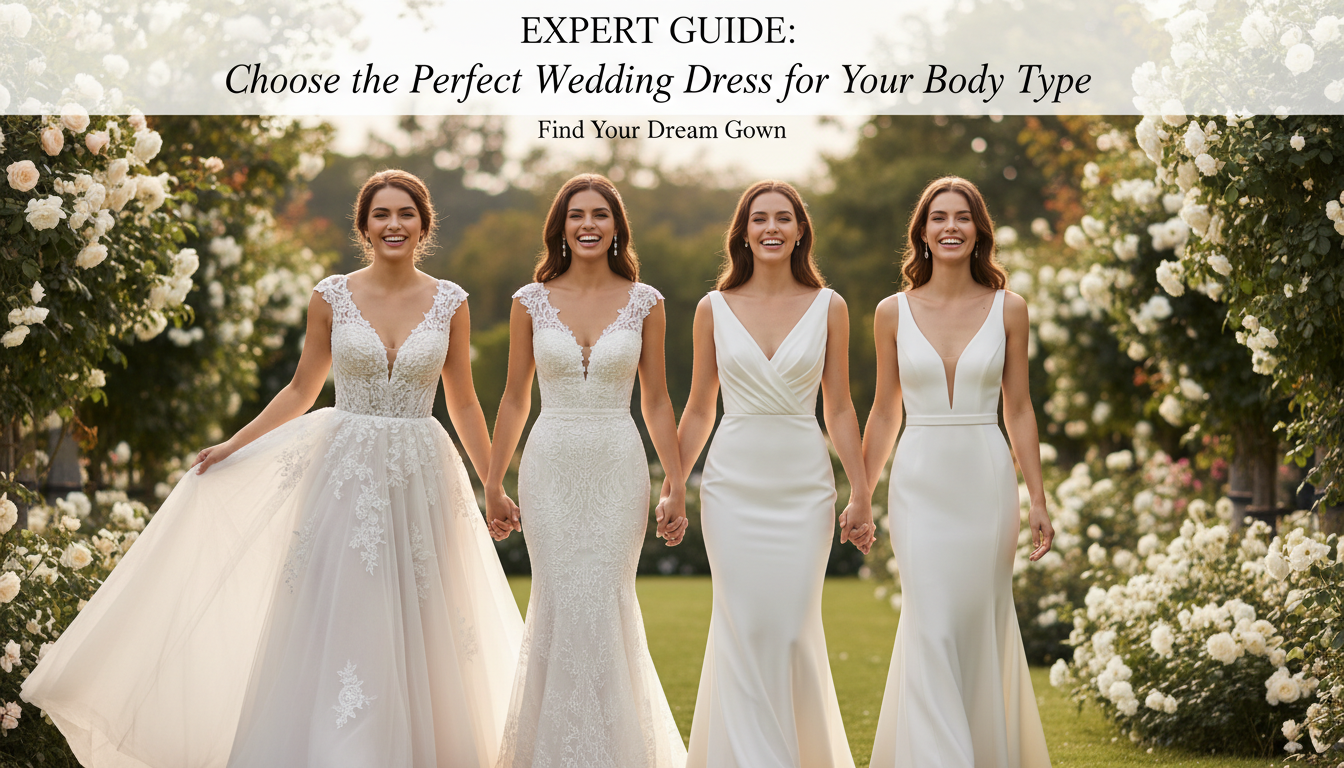
    In this guide, we draw on years of bridal styling expertise to break down how to dress for your body type. Whether you are a classic hourglass, a statuesque rectangle, or a petite bride, our goal is to help you navigate the bridal salon with confidence and clarity.

    Understanding Your Silhouette: A Guide to Body Types

    Before stepping into a fitting room, it helps to have a baseline understanding of your body’s natural geometry. While every body is unique, most fall into one of several general categories. Identifying yours allows you to narrow down which gown structures will provide the most balance and support.

    The Hourglass Shape

    An hourglass figure is characterized by shoulders and hips that are roughly the same width, with a clearly defined waistline. The goal here is usually to celebrate those natural curves rather than hiding them.

    • Top Recommendations: Mermaid, Trumpet, and Sheath gowns.
    • Why they work: These styles hug the body through the bust and waist, emphasizing the narrowest part of your frame.
    • Expert Tip: Look for a sweetheart neckline to complement the feminine proportions of your upper body.

    The Pear (Triangle) Shape

    If your hips are wider than your shoulders and bust, you have a pear-shaped silhouette. Styling for a pear shape often involves drawing the eye upward or balancing the lower body with a bit of volume on top.

    • Top Recommendations: A-Line and Ball Gowns.
    • Why they work: The flared skirt of an A-line dress flows over the hips without adding bulk, while a structured bodice draws attention to the waist and neckline.
    • Expert Tip: Consider cap sleeves or beaded detailing on the bodice to create a visual balance with the hips.

    The Apple (Round) Shape

    Apple-shaped brides typically carry weight in the midsection and have a full bust, often paired with slender legs and arms. The objective is to create an elongated silhouette and a more defined waistline.

    • Top Recommendations: Empire Waist and A-Line.
    • Why they work: An empire waist starts just below the bust, flowing gracefully over the midsection. Deep V-necklines are also incredibly flattering as they create a vertical line that elongates the torso.
    • Expert Tip: Avoid heavy ruching or thick belts directly on the widest part of the waist.

    The Rectangle (Athletic) Shape

    For brides with an athletic build where the shoulders, waist, and hips have similar measurements, the goal is often to create the illusion of curves.

    • Top Recommendations: Ball Gowns and Sheath dresses with waist definition.
    • Why they work: A full ball gown creates a dramatic waist-to-hip ratio. Alternatively, a sheath dress with a strategically placed belt or side cut-outs can “carve out” a waistline.
    • Expert Tip: Look for 3D floral appliqués or tiered skirts to add volume and dimension to your frame.

    The Inverted Triangle Shape

    If your shoulders are broader than your hips, you have an inverted triangle shape. The styling goal is to soften the shoulder line and add volume to the lower half to create a balanced “X” shape.

    • Top Recommendations: Short tea-length dresses or full Ball Gowns.
    • Why they work: A voluminous skirt balances broad shoulders. Halter necks or V-necks are also excellent for narrowing the appearance of the upper body.
    • Expert Tip: Avoid boat necks or heavy shoulder padding, which can emphasize width.

    Comparing Bridal Silhouettes

    The following table provides a quick reference for which silhouettes typically suit different body goals.

    Silhouette Best For… Effect on the Body
    A-Line All Body Types Narrows the waist and hides the lower body.
    Ball Gown Pear, Rectangle, Thin Creates a “princess” look with maximum hip volume.
    Mermaid/Trumpet Hourglass, Curvy Emphasizes the waist and hips dramatically.
    Empire Apple, Petite, Pregnant Elongates the frame and skims the midsection.
    Sheath/Column Petite, Athletic, Lean Follows the body’s natural line; adds height.

    Pros and Cons of Popular Wedding Dress Styles

    Choosing the Right Silhouette

    Every dress style offers a different “vibe” and functional experience on your wedding day. Understanding the trade-offs can help you make a more practical decision.

    A-Line Gowns

    • Pros: Extremely versatile; comfortable for sitting and dancing; flattering on nearly everyone.
    • Cons: Can sometimes feel “safe” or less dramatic than other modern silhouettes.

    Mermaid & Trumpet Gowns

    • Pros: High-fashion appeal; highlights curves; creates a stunning “wow” factor.
    • Cons: Can be restrictive; difficult to sit or dance comfortably; requires high-quality shapewear.
    • Ball Gowns

      • Pros: Classic bridal aesthetic; hides the lower body completely; makes a grand entrance.
      • Cons: Heavy and hot; can overwhelm petite frames; difficult to navigate small spaces or restrooms.

      Special Considerations: Petite and Plus-Size Brides

      For the Petite Bride

      If you are 5’4” or under, the goal is often to avoid being “swallowed” by fabric. Vertical details, such as a long row of buttons or a deep V-neck, help create height. Sheath dresses and high-waisted A-line gowns are generally more flattering than heavy ball gowns, which can make a petite frame appear shorter.

      For the Plus-Size Bride

      Focus on structure and support. A dress with internal corsetry or boning can provide a beautiful shape and peace of mind. Asymmetric draping is a “magic” design element that can create a narrowing effect across the torso. Don’t be afraid of curves—fit-and-flare styles can look incredible on a full figure when the proportions are balanced correctly.

      The Role of Fabric and Texture

      Fabric plays a massive role in how a dress sits on your body. Stiff fabrics like Mikado or Satin provide structure and are excellent for smoothing out silhouettes. In contrast, Chiffon and Crepe are softer and more fluid, making them ideal for “skimming” the body, though they are less forgiving of lumps or bumps. If you want a dress that holds its shape, look for heavier laces or structured silk; if you want movement, look for tulle or organza.

      Frequently Asked Questions

      Wedding Dress Shopping FAQ

      What is the most universally flattering wedding dress?

      The A-line silhouette is widely considered the most universally flattering. It cinches at the natural waist and gradually flares out, which balances the proportions of almost every body type, from pear shapes to athletic builds.

      How early should I start shopping for my dress?

      Ideally, you should begin shopping 9 to 12 months before your wedding. Most designer gowns take 6 to 8 months to order and ship, and you will need an additional 2 to 3 months for professional alterations.

      Can I still wear a mermaid dress if I’m not an hourglass?

      Absolutely. Modern bridal construction uses boning and shapewear to create curves. If you love the mermaid look, a skilled seamstress can often tailor the “flare” point to hit at the right spot to flatter your specific height and proportions.

      How many sizes should I expect to go up in bridal?

      Bridal sizing is notorious for running small compared to “street” sizing. It is very common to be 1 to 2 sizes larger in a wedding gown than you are in your everyday clothes. Always trust your measurements over the number on the tag.

      Is it better to buy a dress that is too small or too big?

      Always buy the size that fits your current largest measurement. It is significantly easier (and cheaper) for a tailor to take a dress in than it is to let a dress out. If a dress is too small, there may not be enough seam allowance to make it fit comfortably.


      Topic: How to choose the perfect wedding dress for your body type
      Tags: #Expert #Guide #Choose #Perfect #Wedding #Dress #Body #Type

  • 15 Best 2026 Wedding Hairstyles for Long Hair with Veil: Expert Picks

    15 Best 2026 Wedding Hairstyles for Long Hair with Veil: Expert Picks

    Choosing a wedding hairstyle is a pivotal moment in any bridal journey. As we look toward 2026, the trends are shifting away from overly structured, “perfect” hair toward a philosophy of “Quiet Luxury” and authentic texture. For brides with long hair, the possibilities are vast, but adding a veil introduces a layer of technical complexity.

    A veil isn’t just an accessory; it’s a structural element that affects the weight, movement, and silhouette of your hair. Whether you are planning a grand cathedral ceremony or an intimate coastal micro-wedding, these expert-curated styles ensure your long locks stay secure while looking breathtaking under—or over—your veil.

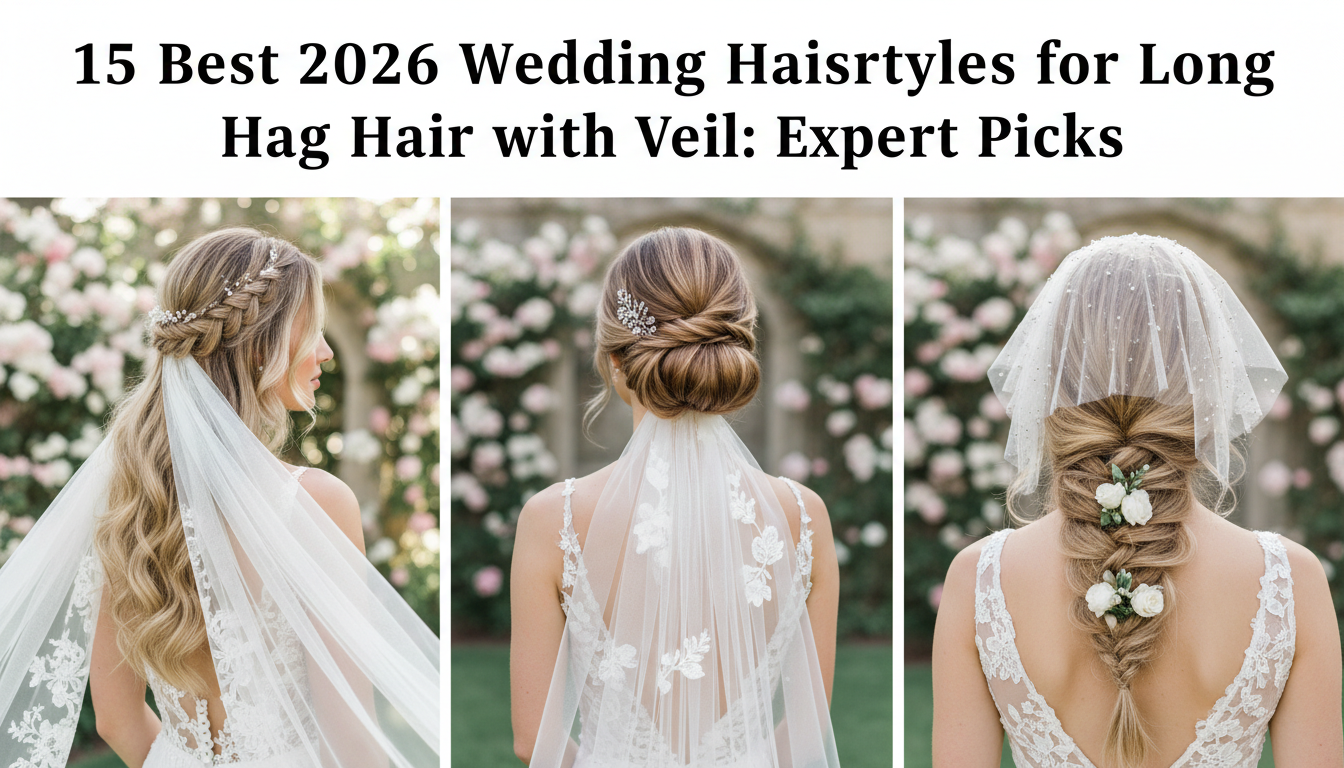
    15 Trending 2026 Wedding Hair Carestyles for Long Hair Care

    1. The “Glass” Hollywood Wave

    Continuing its reign into 2026, the Hollywood wave is getting a high-shine, “glass hair” update. This style involves deep side parts and uniform S-waves. For long hair, this provides a red-carpet glamour that stays organized. Best Veil Match: A sheer, single-tier chapel veil attached at the crown to avoid crushing the waves.

    2. The Organic Beauty Low Chignon

    Modern minimalism is at the heart of 2026 trends. The organic chignon is less about hairspray and more about soft, intentional tucks. It sits at the nape of the neck, providing a sturdy anchor point for a heavy veil.

    3. Elevated Bubble Braid with Pearls

    For the fashion-forward bride, the bubble braid offers a playful yet sophisticated alternative to traditional plaits. In 2026, we see these adorned with tiny seed pearls. Pro Tip: Place the veil comb directly above the first “bubble” for maximum security.

    4. The “Balletcore” High Bun

    The high bun is making a comeback, inspired by the sleek aesthetics of professional dancers. This style elongates the neck and is perfect for showing off high-neck bridal gowns. Place your veil underneath the bun for a modern, “waterfall” effect.

    5. Relaxed Half-Up Boho Twists

    Ideal for outdoor weddings, this style uses two twisted sections of hair met at the back. It leaves the length of your hair down to showcase volume while keeping strands out of your face during the exchange of vows.

    6. The Textured French Twist 2.0

    The 2026 version of the French twist is softer and more voluminous. Rather than a tight roll, it features “lived-in” texture and face-framing tendrils. This is an excellent choice for brides wearing vintage lace mantilla veils.

    7. Cascading Side-Swept Curls

    By sweeping all hair to one shoulder, you create a beautiful focal point. This is particularly effective for one-shoulder dresses. A veil can be pinned asymmetrically to complement the flow of the curls.

    8. The Architectural Top Knot

    Sharp, clean, and undeniably modern, the architectural top knot works best for brides with very long, thick hair. It serves as a literal pedestal for a dramatic cathedral-length veil.

    9. Soft Scandi-Waves with a Middle Part

    Scandi-waves are flatter and more effortless than traditional curls. They offer a “cool-girl” aesthetic that works perfectly with a simple drop veil that has no comb, draped naturally over the head.

    10. The Braided Halo Crown

    A timeless choice for bohemian brides. A thick, Dutch braid wrapped around the head provides a natural “shelf” where a veil can be easily tucked and pinned without the need for excessive bobby pins.

    11. Polished Sleek Ponytail

    A high or mid-height ponytail is a power move for 2026. It’s clean, functional, and stays put all night. Wrap a section of hair around the base to hide the elastic, and pin the veil directly into the base of the pony.

    12. The “Cloud” Curl Half-Up Style

    Cloud curls are brushed-out, airy, and voluminous. By pinning just the top section back, you create a stable foundation for a veil while maintaining the romanticism of long, flowing hair.

    13. Grecian-Inspired Multi-Braid

    Integrating several smaller braids into a larger one creates a complex, tapestry-like effect. This style is sturdy enough to hold even the heaviest embroidered veils.

    14. The Deep-V Textured Down-Do

    Instead of round curls, the hair is styled in “V” shaped waves that point downward. This creates a slimming effect and prevents the hair from looking too “busy” when viewed through a sheer veil.

    15. Ribbon-Intertwined Low Plait

    Personalization is a key 2026 theme. Intertwining a silk ribbon—perhaps from your bouquet or a family heirloom—into a long, loose braid creates a unique, sentimental look that looks stunning under a short blusher veil.

    Choosing the Right Veil Placement

    Where you place your veil can completely change your bridal aesthetic. Use the table below to determine the best placement for your chosen style.

    Placement Point Effect Best Suited For
    Above the Hair Carestyle Traditional, adds height, and offers full face coverage if using a blusher. Low buns, chignons, and sleek down-dos.
    Below the Hair Carestyle Modern, clean, and highlights the hair detail. High buns, top knots, and ponytails.
    Crown of the Head Bohemian, dramatic, and creates a “halo” effect. Hollywood waves and loose Scandi-waves.
    The Nape Understated and elegant. Braided crowns and intricate updos.

    Pros and Cons: Updos vs. Down Styles for 2026

    Updos with Veils

    • Pros:

      • Superior security for heavy or long veils.
      • Keeps you cool during summer weddings.
      • Highlights the neckline and back details of the dress.
      • Lasts longer through dancing and wind.

    • Cons:

      • Can feel more “formal” or restrictive.
      • Requires more pins and potentially more hairspray.

    Down Styles with Veils

    • Pros:

      • Shows off the natural length and health of the hair.
      • Feels more relaxed and “authentic.”
      • Easier to transition to a reception look by simply removing the veil.

    • Cons:

      • Veils can easily slip if not anchored to a small hidden braid.
      • Curls may drop in humid or windy conditions.
      • Hair Care can get tangled in the tulle of the veil.

    Expert Tips for Long-Lasting Bridal Hair Care

    To ensure your long hair survives the transition from the ceremony to the final dance, consider these professional strategies:

    1. The “Anchor” Braid

    If you are wearing your hair down, ask your stylist to create a tiny, flat horizontal braid at the back of your head, hidden under the top layer of hair. This gives the veil comb something solid to “bite” into, preventing it from sliding out mid-aisle.

    2. Texture is Your Friend

    Squeaky-clean hair is often too slippery for veils. Stylists recommend washing your hair the night before rather than the morning of the wedding. Use a texturizing spray or dry shampoo to provide the necessary “grip.”

    3. The Veil Weight Test

    During your hair trial, bring your actual veil. The weight of a cathedral-length veil is significantly different from a fingertip veil. You need to know if your chosen style can support that weight for 30–60 minutes without pulling on your scalp.

    Frequently Asked Questions

    How do I stop my veil from falling out of long hair?

    The secret is in the prep. Using a hidden anchor braid or criss-crossing two bobby pins over the teeth of the veil comb will lock it into place. Additionally, avoid using too much silicone-based serum, which can make the hair too slick for the comb to hold.

    Can I wear a veil with Hollywood waves?

    Absolutely. However, you should use a lightweight, single-tier veil. Heavy veils can flatten the volume and “crush” the uniform pattern of the waves. Many 2026 brides are opting for “drop veils” which sit gently over the waves without a visible comb.

    Should I remove my veil for the reception?

    Most modern brides do. If you plan to remove it, ensure your stylist knows this so they can position the pins for easy access. Long hair is prone to tangling, so removing the veil after photos allows you to move freely on the dance floor.

    How do I choose between a high or low bun with a veil?

    Consider your dress and your height. A high bun adds height and works well with high-collared dresses. A low bun is more traditional and is often more comfortable for supporting the weight of a long veil over several hours.

    Do I need extensions for these styles?

    Even if you have long hair, extensions are often used by professionals to add “bulk” and “hold.” Extensions help curls last longer and provide the structural integrity needed to support a veil without the hairstyle collapsing under the weight.


    Topic: Wedding hairstyles for long hair with veil 2026
    Tags: #Wedding #Hair Carestyles #Long #Hair Care #Veil #Expert #Picks