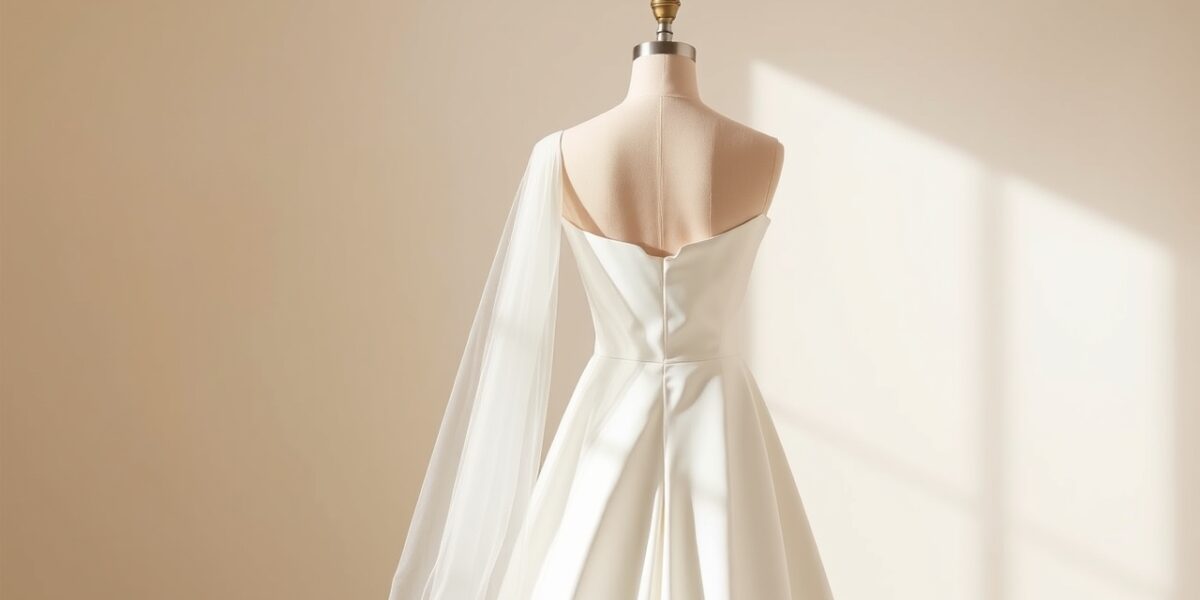
how to choose a wedding dress for your body type is a journey that blends self‑awareness, fashion knowledge, and a little bit of daring. It’s not just about finding a dress that looks good on paper; it’s about discovering a garment that feels like an extension of your own confidence.

How to Choose a Wedding Dress for Your Body Type
Before you even step foot in a bridal boutique, ask yourself: what shape is my body? The answer will guide every choice from silhouette to fabric. Below is a step‑by‑step roadmap that turns the daunting task of dress selection into a manageable, even enjoyable, process.
1. Identify Your Body Shape
- Apple (or Round) – Carries weight around the mid‑section; shoulders and hips are roughly the same width.
- Pear (or Triangle) – Hips are wider than shoulders; lower body carries most of the weight.
- Hourglass – Balanced bust, waist, and hips with a clearly defined waist.
- Rectangle (or Straight) – Shoulders, waist, and hips are similar in width; waist is not well defined.
- Inverted Triangle – Shoulders and bust are wider than hips; waist is often narrow.
Take a quick body‑measurement worksheet or use a simple online body‑type quiz to confirm your shape. Knowing where you naturally carry weight helps you pick cuts that either draw attention to your best features or create balance where you need it.


2. Match Your Shape to the Right Gown Silhouette
- Apple – A-line or trumpet silhouettes that skim over the mid‑section, creating an illusion of a waist. A slightly gathered waist funktioniert well.
- Pear – Empire waist, mermaid, or trumpet styles that add volume to the upper body and balance the hips.
- Hourglass – A-line or fit‑and‑flare gowns that accentuate the waist and showcase the natural curves.
- Rectangle – Ball gown or fit‑and‑flare styles that add shape to the hips and create a defined waist.
- Inverted Triangle – A-line or fit‑and‑flare gowns with a slightly flared skirt to balance broad shoulders.
Remember: a silhouette doesn’t have to be a rigid rule. Many modern designers blend styles, so feel free to experiment within the guidelines that best highlight your form.
3. Consider Fabric and Detail Placement
Fabric choice can either amplify or soften your physique. Light, flowing materials like chiffon or tulle drape gracefully, while heavier fabrics like satin or brocade lend structure.
- Apple – Light fabrics that flow over the mid‑section help create a smoother look.
- Pear – Structured fabrics in the bodice with a softer skirt add contrast.
- Hourglass – A mix of structured bodice and flowing skirt keeps the balance.
- Rectangle – A structured bodice with a draped skirt adds shape.
- Inverted Triangle – A fitted bodice with a voluminous skirt draws attention away from the shoulders.
Detail placement matters too. Be aware of how beading, lace, or embroidery can add volume. For instance, a heavily beaded bodice on a pear‑shaped bride might accentuate the hips too much.
4. Take Multiple Measurements and Schedule Fittings
Body measurements can change over time, especially during pregnancy or significant weight shifts. Keep a measurement log and update it before each fitting.
- Measure bust, waist, hips, and inseam.
- Record these in a spreadsheet or an app.
- Bring the log to every fitting.
- Ask the designer to note any changes needed.
Most designers recommend at least three fittings: an initial draft, a second after alterations, and a final fitting a week before the wedding. This timeline ensures the dress fits perfectly on the day.
5. Test the Dress in Real Life Settings
Walk, sit, and move in the dress, even if it’s only a mock‑up. Notice how the fabric behaves and whether the silhouette stays true to your expectations. If you feel restricted or the dress looks off, make adjustments before the final fitting.
6. Trust Your Instincts and Seek Professional Guidance
While the science of body shapes is helpful, your personal comfort is paramount. If a dress feels right, it often looks right.
Consulting a bridal stylist can be invaluable. They can provide a fresh perspective, suggest cuts that you might not have considered, and help coordinate accessories that complement the silhouette.
7. Don’t Forget About the Wedding Venue and Theme
The venue’s architecture, lighting, and overall aesthetic can influence your dress choice. A cathedral with high ceilings may favor a dramatic ball gown, whereas a beach setting may call for a lighter, more relaxed silhouette.
Similarly, if your wedding has a specific theme—rustic, vintage, modern—you’ll want a dress that aligns with the overall vision while still flattering your body type.
8. Final Checklist Before the Big Day
- Confirm the dress fits all body measurements.
- Ensure all alterations are complete.
- Check the fabric’s condition—no loose threads or uneven hems.
- Pack a backup—an extra set of shoes or a spare veil.
- Schedule a final walk‑through with your bridal party.
When you arrive at your wedding venue, the dress should feel like a natural extension of you—supportive, comfortable, and, most importantly, a Salud that showcases your unique beauty.
Related Resources
For a deeper dive into the history of wedding gowns and how styles have evolved, check out the Wikipedia page on wedding dresses—a comprehensive overview of design trends over time.
For more tips on bridal beauty and style, visit My Bridal Times to stay updated on the latest trends and expert advice.
FAQ
How to choose a wedding dress for your body type when time is short?
Start by focusing on silhouette rather than intricate details. A classic A‑line or fit‑and‑flare cut can be tailored quickly and will suit most shapes.
What if my body shape doesn’t fit neatly into one category?
Many brides have hybrid shapes. In that case, choose the silhouette that emphasizes your strongest feature—whether it’s your waist, hips, or shoulders.
Can I alter a dress that was not originally designed for my body type?
Yes, with a skilled tailor. However, some structural changes—like adding a waist cinch to a ball gown—might be more complex.
Do I need a asupra or a professional to help me choose?
While a professional can offer valuable insights, trust your own judgment. If you feel confident in a dress, that confidence will shine on your wedding day.
How do I keep my dress in perfect condition between fittings?
Store it in a cool, dry place, wrapped in a muslin bag, and avoid direct sunlight. Use a garment bag for transport and keep it away from moisture.
Leave a Reply