
Beauty sleep tips for brides are essential to ensure you look refreshed and radiant on your wedding day. As the countdown to your big day begins, the focus often shifts to dress fittings, makeup trials, and hair trials. Yet the quiet power of a good night’s sleep can be the secret ingredient that turns a tired bride into a glowing goddess. Below is a comprehensive guide that blends science with practical steps to help you harness the restorative benefits of sleep during the week leading up to the ceremony.

1. Pre‑Planning Sleep Strategies
Before the final week starts, set a realistic sleep goal and track your progress. A simple spreadsheet or a sleep‑tracking app can record bedtime, wake‑up time, and perceived quality. This baseline helps you spot patterns and adjust tactics before the pressure mounts.
1.1 Set a Sleep Target
- Aim for 7–9 hours each night. If you’re a light sleeper, lean toward the higher end.
- Mark the target on your calendar and treat it like any other wedding appointment.
1.2 Create a Sleep Diary
- Record bedtime, wake time, nighttime awakenings, and mood.
- Note any foods, drinks, or activities that seem to affect sleep.
- Review weekly to identify consistent blockers.
2. Consistent Bedtime Routine
A predictable routine signals your body’s circadian rhythm to wind down. Here’s a step‑by‑step schedule you can tailor.


2.1 Evening Wind‑Down (8:00 p.m. – 10:00 p.m.)
- 8:00 p.m. – Dim lights, switch to warm LED bulbs or a dim lamp.
- 8:15 p.m. – Turn off screens; instead, read a physical book or jot in a gratitude journal.
- 8:45 p.m. – Gentle stretches: neck rolls, shoulder shrugs, and a few minutes of yoga sun salutations.
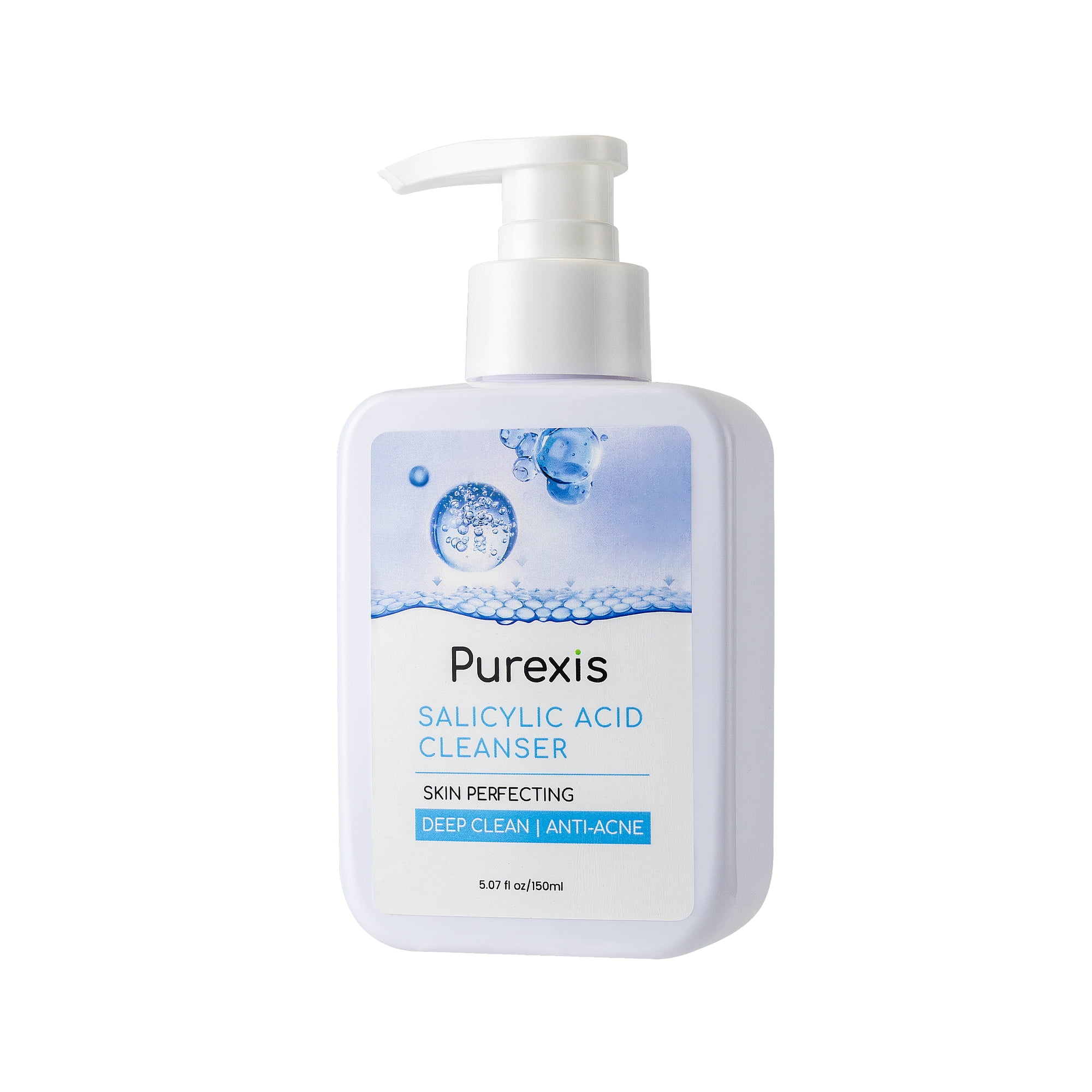
- 9:00 p.m. – Apply a calming skincare routine (see Section 7).
- 9:30 p.m. – Sip a warm, caffeine‑free beverage (herbal tea, warm milk with honey).
- 10:00 p.m. – Lights out; consider a white‑noise playlist or a sleep‑aid app.
2.2 Quick Tips for a Smooth Transition
- Keep a reusable water bottle nearby but limit intake 30 minutes before bed.
- Use a lavender‑scented eye mask; scent can trigger relaxation pathways.
- Set a phone alarm on airplane mode to avoid late‑night notifications.
3. Optimize Your Sleep Environment
Physical surroundings heavily influence sleep quality. Below are actionable tweaks.
3.1 Mattress & Pillow
- Invest in a medium‑firm mattress that supports spinal alignment.
- Choose pillows that keep your head and neck neutral; memory‑foam or latex options work well.
- Replace pillows every 18–24 months to maintain loft and hygiene.
3.2 Temperature & Light
- Keep the room cool, ideally 65 °F (18 °C). A small fan or a cooling mattress pad can help.
- Use blackout curtains or a sleep mask to eliminate ambient light.
- Consider a night‑light with a dim, warm hue if you need to check the bathroom.
3.3 Noise Control
- White‑noise machines or a fan can mask traffic or neighbor chatter.
- Earplugs are inexpensive and effective for sudden nighttime noises.
- If you’re traveling, bring a travel‑size white‑noise app or a small Bluetooth speaker.
4. Manage Stress with Mindful Techniques
Pre‑wedding jitters can keep your brain awake. Below are proven practices to calm the mind.
4.1 Deep Breathing & Progressive Muscle Relaxation
- Inhale slowly for 4 seconds, hold for 4, exhale for 6.
- Progressively tense and release each muscle group, starting from toes to head.
- Practice 5–10 minutes before bed.
4.2 Guided Meditation & Soothing Playlists
- Apps like Calm, Insight Timer, or Headspace offer wedding‑specific sessions.
- Soothing playlists can include nature sounds, ocean waves, or gentle piano.
- Keep volume low; the goal is to create a mental “wind‑down” zone.
4.3 Gratitude Journal
- Write three things you’re grateful for each evening.
- Focus on positive wedding memories—first dance rehearsal, cake tasting, etc.
- Shifting focus from anxiety to gratitude reduces cortisol spikes.
5. Watch Your Diet and Hydration
What you eat and drink can influence sleep quality. Keep these guidelines in mind.
5.1 Caffeine & Stimulants
- Limit caffeine after 2 p.m.; opt for decaf coffee or herbal tea.
- Avoid energy drinks, chocolate, and certain medications that contain stimulants.
5.2 Balanced Dinner
- Include lean protein (chicken, fish) for tryptophan, complex carbs (quinoa, sweet potato) for serotonin, and healthy fats (avocado, olive oil).
- Try a small bowl of oatmeal with berries—rich in melatonin precursors.
- Keep portions moderate to avoid indigestion.
5.3 Hydration Strategy
- Drink 8–10 cups of water during daylight hours.
- Reduce fluid intake 1–2 hours before bedtime to minimize bathroom trips.
- Consider a glass of warm water with lemon in the evening to aid digestion.
6. Incorporate Light Exercise into Your Routine
Regular movement supports deeper sleep, but timing matters. Schedule any vigorous workouts earlier in the day and finish any physical activity at least 2–3 hours before bed.
6.1 Sample Exercise Schedule
- Morning: 30‑minute brisk walk or light jog.
- Afternoon: Stretching or yoga for 20 minutes.
- Evening: Avoid high‑intensity cardio; opt for gentle stretching.
7. Prioritize Skin Care Before Bed
Nighttime is when your skin repairs itself. Follow a simple routine.
7.1 Cleanse
- Use a gentle foaming cleanser or micellar water to remove makeup and pollutants.
- For sensitive skin, opt for a sulfate‑free formula.
7.2 Treat
- Apply a serum containing vitamin C or niacinamide to boost collagen.
- Use a lightweight moisturizer with hyaluronic acid for hydration.
- For extra glow, add a 1‑minute facial massage with upward strokes.
7.3 Eye Care
- Apply a hydrating eye cream with caffeine or peptides to reduce puffiness.
- Gently pat rather than rub to avoid irritation.
8. Leverage Natural Light Exposure
Daylight helps regulate melatonin production, the hormone that signals sleep. Aim for 30–60 minutes of outdoor light each morning, especially during the first week of your wedding prep.
8.1 Morning Routine
- Start your day with a glass of water and a 10‑minute stretch.
- Step outside for a brisk walk or simply sit on a balcony with a cup of tea.
- Natural light exposure in the first 30 minutes boosts alertness and sets the circadian rhythm.
9. Practice “Sleep Hygiene”
Adopting the principles of sleep hygiene can significantly improve sleep onset and duration. Key practices include maintaining a sleep‑friendly environment, avoiding stimulants, and keeping a consistent schedule.
10. Stay Connected to Your Support System
Share your sleep goals with your partner or a close friend. Encouragement and accountability can help you stick to healthy habits. If you’re traveling for the wedding, plan for an overnight stay at a quiet hotel to preserve your sleep routine.
11. Reflect on Your Progress
Keep a sleep diary for a week before the wedding. Note bedtime, wake‑up time, perceived restfulness, and skin condition. Reviewing the diary can highlight patterns and prompt adjustments.
12. Prepare for the Wedding Night
On the eve of the ceremony, keep the evening light and relaxed. Aim to be in bed by 10 p.m. to ensure at least 7–8 hours of sleep. Consider a short pre‑sleep ritual like a warm shower or a cup of herbal tea (decaf chamomile works well).
13. Post‑Event Recovery
After the ceremony, your body will need a reset. Here’s how to bounce back quickly.
13.1 Hydrate and Nourish
- Start the morning with a glass of water and a protein‑rich breakfast.
- Include a source of omega‑3s (chia seeds, walnuts) to reduce inflammation.
13.2 Gentle Movement
- Take a leisurely walk in the garden or around the venue to aid circulation.
- A few minutes of stretching can relieve muscle tension from the day’s excitement.
13.3 Sleep Adjustments
- If you’re jet‑lagged or traveling, use a sleep mask and earplugs to create a familiar environment.
- Keep the bedroom dark, cool, and quiet—your body will thank you.
FAQ
- How many hours of sleep should I aim for during the final week? Aim for 7–9 hours nightly to support both physical and emotional recovery.
- What is the best bedtime routine for a bride? A routine that includes dimming lights, turning off devices, gentle stretching, and a calming activity like reading or journaling works well.
- Can light exercise help improve sleep quality before my wedding? Yes, moderate activity earlier in the day can enhance sleep quality, but avoid intense workouts close to bedtime.
- How can I reduce wedding‑day anxiety that might keep me up? Use mindfulness techniques, keep a gratitude journal, and communicate with your support network.
- Is it okay to nap during the week? A brief 20‑minute nap before 3 p.m. can boost alertness without affecting nighttime sleep.
- What should I do if I’m traveling for the wedding? Book a quiet hotel with blackout curtains, a comfortable mattress, and a white‑noise machine to replicate your home sleep environment.
- How do I handle late‑night cravings that disrupt sleep? Keep a small bowl of fruit or a handful of nuts in the bedroom; the natural sugars and healthy fats can satisfy cravings without heavy digestion.
For more wedding‑related inspiration and practical guides, visit My Bridal Times.
Leave a Reply