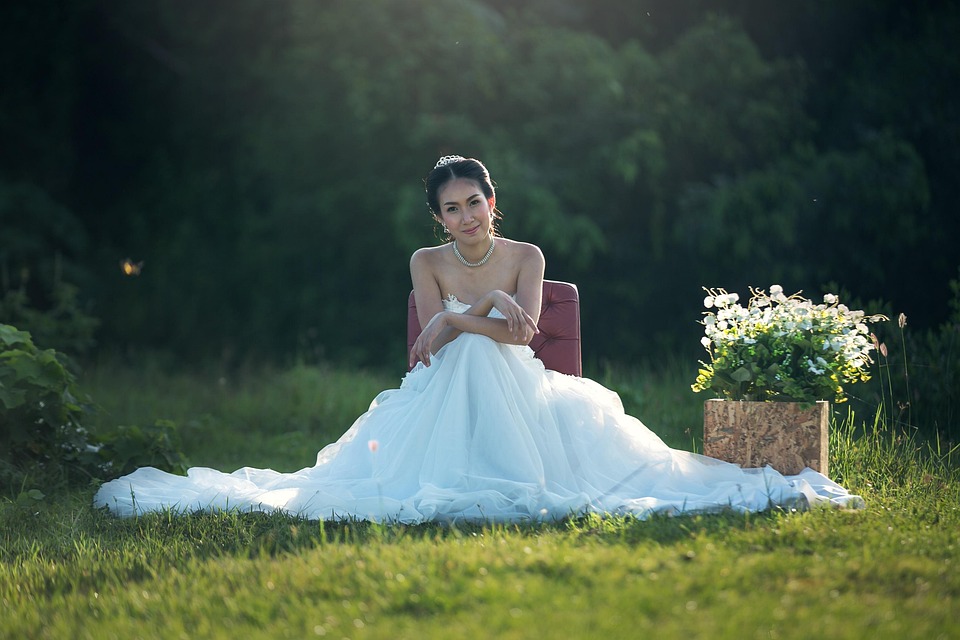
For many brides, the idea of sitting in a professional makeup artist’s chair is a dream. For others, the thought of someone else controlling their look on the most photographed day of their lives feels like a risk. Whether you are looking to save on your wedding budget, have specific skin sensitivities, or simply trust your own hand best, doing your own bridal makeup is entirely achievable with the right preparation.
Mastering DIY bridal makeup isn’t just about applying products; it’s about understanding how those products interact with professional photography, varying lighting conditions, and the emotional endurance of a 12-hour day. In this guide, we will break down the professional techniques and timelines required to achieve a flawless, high-definition finish that looks as good in person as it does in your wedding album.


Preparation: The Secret to a Flawless Canvas
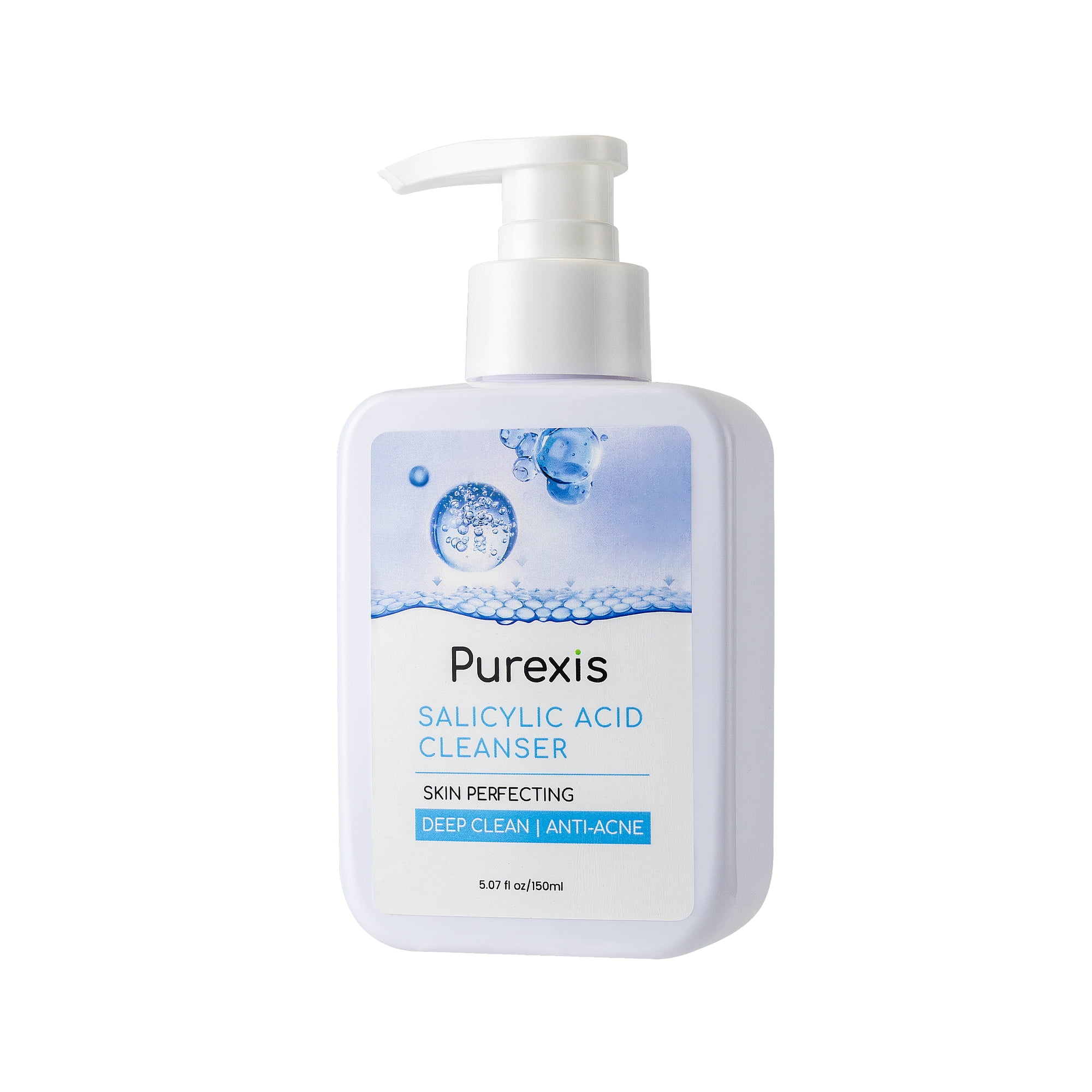
Pro makeup artists will tell you that makeup is 30% application and 70% preparation. You cannot achieve a smooth, “pro-level” finish on dehydrated or uneven skin. To ensure your makeup adheres perfectly, your prep should begin months—not hours—before the ceremony.
Three Months Out: Skincare Discipline
Consistency is key. If you don’t already have a routine, now is the time to start. Focus on hydration and gentle exfoliation. Avoid introducing aggressive new treatments (like high-strength chemical peels or new retinols) within four weeks of the wedding to prevent unexpected purging or redness.
The Trial Run: Documentation is Everything
Never let the wedding day be the first time you execute your full look. Schedule at least two trial runs.
- Trial 1: Focus on the technique. See how the products feel on your skin.
- Trial 2: Wear the makeup for a full 8-10 hours. Take photos in natural light and with a flash to check for “flashback” (that ghostly white cast caused by certain ingredients).
The Professional Bridal Makeup Kit Essentials
You don’t need to buy every high-end product on the market, but you do need products designed for longevity. Professional bridal makeup focuses on “layering” rather than “heavy application.”
| Product Category | Pro Feature to Look For | Why It Matters |
|---|---|---|
| Primer | Silicone or Water-based | Creates a barrier and fills pores for a smooth texture. |
| Foundation | Long-wear, Medium-coverage | Avoids “cakey” looks while lasting through sweat and tears. |
| Setting Powder | Finely milled, Translucent | Lock in base without adding weight or changing color. |
| Mascara/Eyeliner | Waterproof | Essential for emotional moments and humidity. |
| Setting Spray | Transfer-resistant | The “top coat” that keeps everything in place during hugs. |
Step-by-Step: Application Like a Pro
1. Priming and Base
Start with a clean, moisturized face. Apply a primer suited to your skin type (mattifying for oily skin, illuminating for dry skin). When applying foundation, start at the center of the face and blend outward. Use a damp beauty sponge to “stipple” or bounce the product into the skin rather than rubbing it, which ensures a more seamless, skin-like finish.
2. Strategic Concealing
Avoid the “triangle” of heavy concealer under the eyes, as this can settle into fine lines during the day. Apply a small amount of color corrector if needed, then a high-pigment concealer only where necessary. Let it sit for 30 seconds before blending—this increases the coverage without needing more product.
3. Eyes That Pop
Bridal eye makeup should be slightly more defined than your everyday look to show up in photos. Use a neutral transition shade in the crease and a shimmer or satin shade on the lid. Always use an eyeshadow primer to prevent creasing. If you’re using false lashes, opt for “individuals” rather than a full strip; they look more natural and won’t lift at the corners if you get teary.
4. The “Flash-Proof” Glow
Be careful with highlighters. Avoid chunky glitter, which can look like sweat or oil in professional photos. Instead, use a finely milled champagne or rose-gold shimmer on the high points of the face: cheekbones, brow bone, and the bridge of the nose.
5. Setting the Look
This is the most critical step for a DIY bride. Use a “puff” to press translucent powder into the T-zone. This “pressing” motion sets the makeup much more effectively than a fluffy brush. Finish with a generous mist of a professional-grade setting spray.
Common Pitfalls and How to Avoid Them
- The SPF Trap: Many daily moisturizers and foundations contain SPF. While great for skin protection, high levels of Zinc Oxide or Titanium Dioxide can cause “flashback” in photography. For your wedding day, choose an SPF-free foundation or one with a very low SPF (15 or below).
- Neglecting the Body: Your face shouldn’t be a different color than your neck or chest. Blend your foundation down the neck and use a body glow or light bronzer on your collarbones to ensure a cohesive look.
- Over-Contouring: Harsh contour lines can look like dirt in natural lighting. Use a light hand and blend thoroughly. It is easier to add more pigment than it is to remove it.
Pros and Cons of Doing Your Own Wedding Makeup
Pros
- Cost Savings: Professional bridal makeup can range from $150 to $600+. Doing it yourself allows you to invest that money into high-quality products you can keep.
- Comfort and Control: You know your face better than anyone. You won’t have the stress of trying to explain your preferences to a stranger.
- Time Flexibility: You aren’t tied to an artist’s schedule. You can take your time and start as early as you need.
Cons
- Stress Factor: If you are prone to “wedding day jitters,” your hands might be shaky, making winged liner or lash application difficult.
- The Cost of the Kit: If you don’t already own high-end makeup, buying all the necessary long-wear products can sometimes cost as much as hiring a professional.
- Learning Curve: Understanding lighting and photography-ready makeup requires research and significant practice time.
Frequently Asked Questions
How long should I leave for makeup on the wedding day?
Budget at least 90 minutes for your makeup. This allows for a relaxed pace, time for “oops” moments, and a few minutes for the products to “settle” into your skin before you put on your dress.
Which goes first: hair or makeup?
Generally, hair should be done first. The heat from blow dryers and curling irons can cause you to sweat, which might ruin fresh makeup. Additionally, hairspray can leave a film on your face if applied after your makeup is finished.
How do I make my lipstick last through the “First Kiss” and dinner?
The secret is layering. Apply a lip liner over the entire lip, not just the edges. Apply your lipstick, blot with a tissue, dust a tiny amount of translucent powder over the tissue, and apply a second layer of lipstick. This creates a “stain” effect that is much more durable.
Should I use a “HD” powder?
Be very careful. Many HD powders are 100% silica. While they look amazing in person, they are the primary cause of white flashback in photos. If you use one, use it very sparingly and test it with a flash camera before the big day.
How do I handle “wedding day” breakouts?
Do not pick! A flat red mark is easy to cover with concealer, but a scab or dry patch is very difficult to hide. If a blemish appears, treat it with a gentle spot treatment and use a green-toned color corrector to neutralize the redness before applying foundation.
—
Topic: How to do your own wedding makeup like a pro
Tags: #Wedding #Makeup #Pro #Expert #Tips #Brides