
How to fade dark spots before your wedding can feel like a daunting task, but with the right steps, you can achieve a smoother complexion.
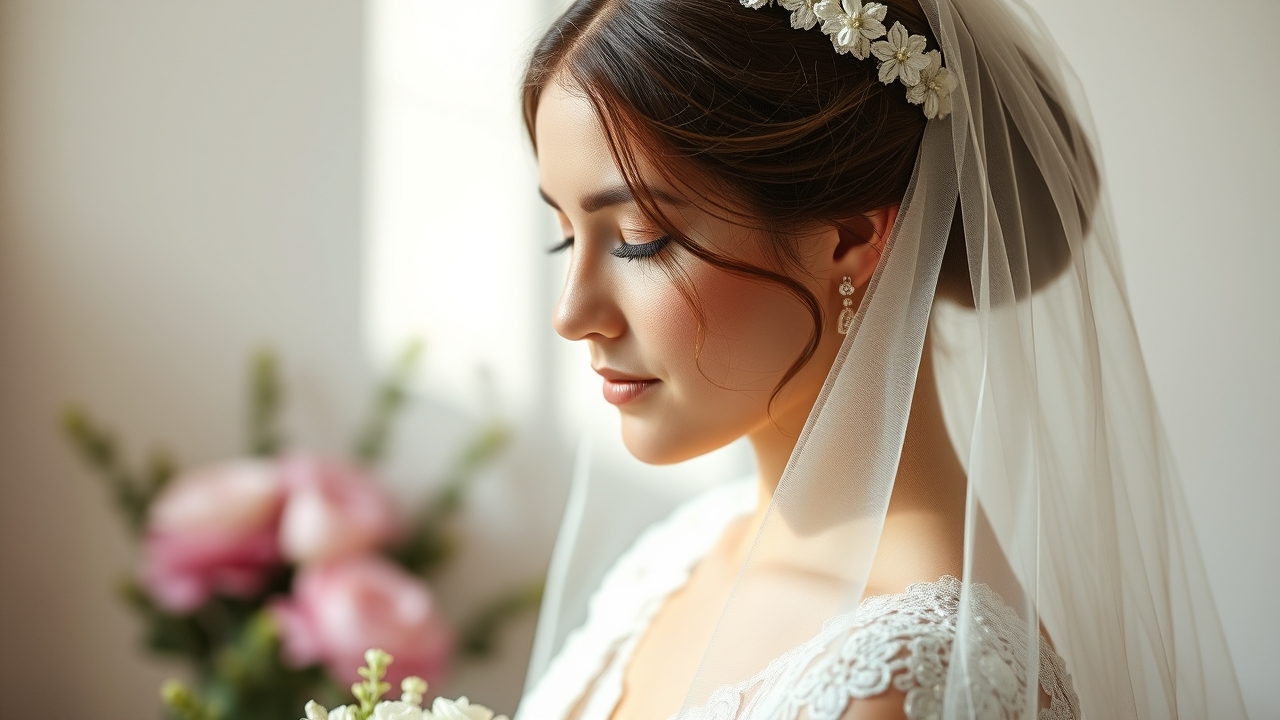
How to Fade Dark Spots Before Your Wedding: Step‑by‑Step Guide
When I first read the phrase how to fade dark spots before your wedding, I felt a фронт of anxiety. I had a stubborn set of post‑acne marks that had lingered for years. Over the next few months, I experimented with gentle routines, and the results were encouraging. Below is a practical, science‑backed approach that helped me and many other brides.
1. Identify the Root Cause
Dark spots often arise from inflammation, sun exposure, or hormonal shifts. Understanding why they appear is the first step to addressing them. A simple visual test—look for redness or texture changes—can hint at inflammation, while a history of excessive sun can point to melanin buildup.


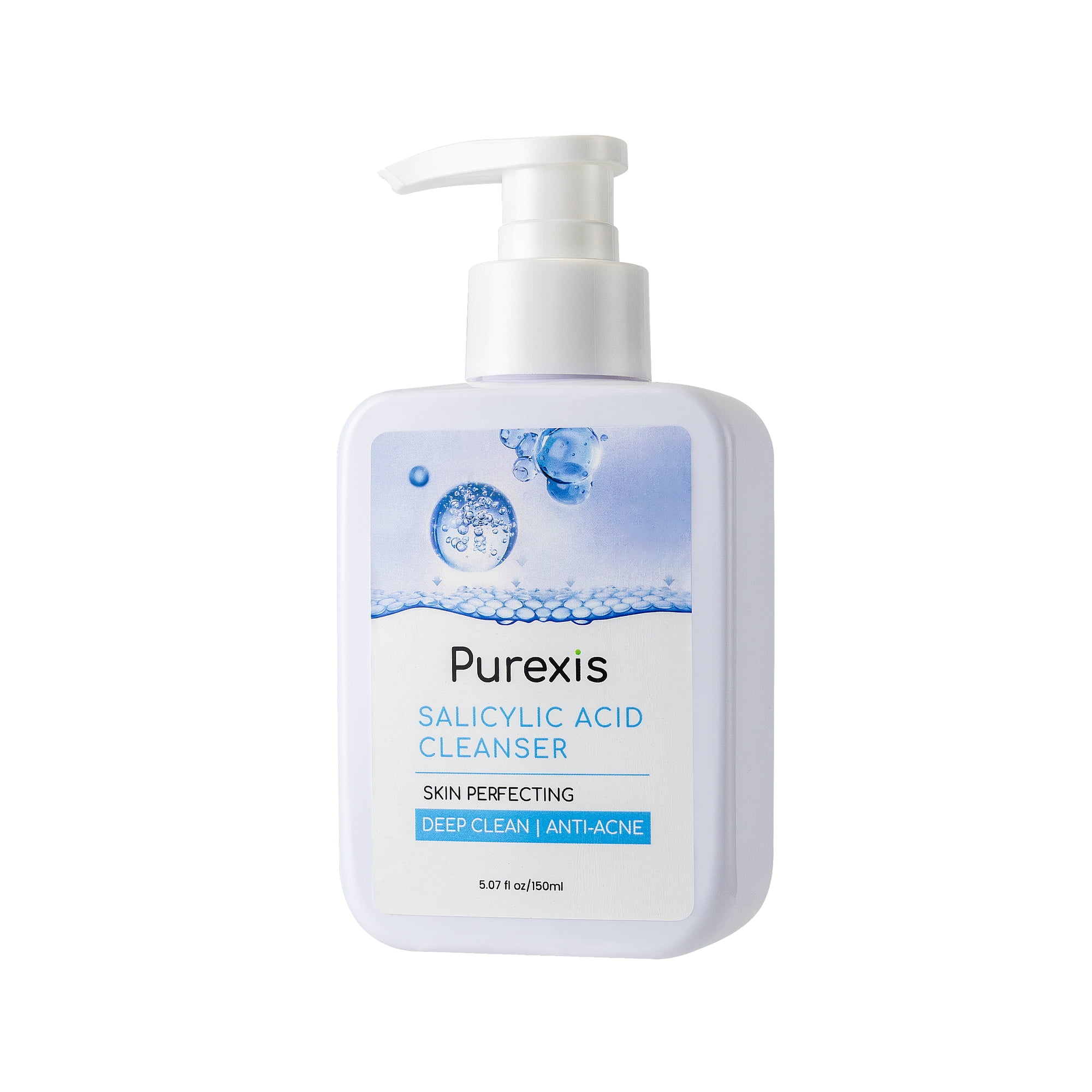
2. Build a Gentle Cleanser Routine
- Use a sulfate‑free cleanser to avoid stripping natural oils.
- Wash twice daily, morning and night.
- Pat dry with a soft towel; avoid vigorous rubbing.
Consistent cleansing helps clear pores and sets the stage for active treatments.
3. Incorporate Chemical Exfoliation (AHA/BHA)
Alpha hydroxy acids (AHA) and beta hydroxy acids (BHA) gently remove dead skin cells, revealing fresher skin underneath. A 5–10% glycolic acid toner applied 2–3 times a week can reduce hyperpigmentation without irritation. BHA, like salicylic acid, penetrates oil‑rich pores and is ideal for acne‑prone skin.
4. Use Brightening Serums
Ingredients such as vitamin C, niacinamide, and licorice root extract focus on brightening. Vitamin C, at 10% concentration, can inhibit melanin production. Niacinamide reduces redness and strengthens the skin barrier. Licorice root is a natural skin lightener that may help fade spots over time.
5. Apply a Broad‑Spectrum Sunscreen
Sun exposure can worsen dark spots. A broad‑spectrum SPF 30 or higher should be applied every day, even on cloudy days. Reapply every two hours if you’re outdoors. Sunscreen is a non‑negotiable step in any how to fade dark spots before your wedding routine.
Understanding Pre‑Wedding Dark Spots
Pre‑wedding dark spots are often a mix of post‑inflammatory hyperpigmentation and melasma. Hormonal changes during pregnancy or the use of hormonal birth control can trigger melasma, which appears as brown patches on the cheeks and forehead. Post‑inflammatory marks, on the other hand, are the result of acne or skin trauma.
Diagnose With a Simple Self‑Assessment
- Does the spot darken with sun? Likely melasma.
- Does it appear after a break‑out or cut? Likely post‑inflammatory.
- Is it persistent for months? Consider a dermatologist visit.
Natural Brightening Before Wedding
Many brides prefer a natural approach to brightening. Below are several home remedies that may help improve skin tone without harsh chemicals.
1. Lemon Juice (Use Sparingly)
Lemon contains citric acid, a mild natural exfoliant. Apply a diluted solution (half lemon juice, half water) to the spot for 10 minutes, then rinse. Do this no more than 2–3 times a week to avoid irritation.
2. Aloe Vera Gel
Aloe contains aloin, a compound that can reduce inflammation and promote healing. Apply fresh gel directly to the spot, leave it on overnight, and wash off in the morning.
3. Rose Water
Rose water has antioxidant properties. Use it as a toner after cleansing to soothe skin and reduce redness.
Building an Even Skin Tone Bride Routine
Consistency is key. Here’s a sample daily routine that incorporates the steps above.
- Morning: Cleanser → Vitamin C serum → SPF 30 sunscreen.
- Evening: Cleanser → BHA toner → Niacinamide serum → Moisturizer.
- Night (2–3 nights per week): Cleanser → Glycolic toner → Moisturizer with a higher concentration of active ingredients.
- Weekly: Exfoliate with a gentle chemical scrub, then use a hydrating mask.
Budgeting Time for Treatment
Give your skin 2–4 weeks to respond to each new ingredient before adding another. This helps prevent irritation and allows you to track which steps are most effective.
Lifestyle Tweaks for Clear Skin Wedding
Beyond topical treatments, lifestyle choices play a significant role in skin health. Below are actionable changes that can support your how to fade dark spots before your wedding goals.
1. Hydration
Drink at least 8 cups of water daily. Adequate hydration helps maintain skin elasticity and can reduce the appearance of spots.
2. Balanced Diet
Include foods rich in antioxidants—berries, leafy greens, nuts. Vitamin E and selenium support skin repair.
3. Sleep
Aim for 7–8 hours of sleep anniversary. During REM sleep, the body repairs skin cells, which can help fade dark spots over time.
4. Stress Management
High cortisol levels can worsen inflammation. Practice yoga, meditation, or deep‑breathing exercises to keep stress in check.
Final Checklist Before the Big Day
As your wedding approaches, simplify your routine to maintain skin health without added stress.
- Continue gentle cleansing and sunscreen.
- Skip harsh chemical peels 2–3 weeks before the ceremony.
- Use a light, hydrating moisturizer.
- Schedule a professional facial 4–6 weeks prior to ensure optimal results.
- Keep a hydrating face mist on hand for quick refreshes.
Remember, how to fade dark spots before your wedding is a journey that starts months in advance. Patience, consistency, and a balanced routine will pay off on your special day.
Professional Treatments That Accelerate Spot Reduction
While at‑home regimens are effective, some brides opt for professional interventions to jump‑start the fading process. Below are the most common clinical options and how they fit into a pre‑wedding timeline.
1. Chemical Peels
Light to medium‑depth peels containing glycolic or lactic acid remove the outermost skin layers, revealing fresher tissue. A 30‑minute peel performed 4–6 weeks before the ceremony can reduce post‑inflammatory marks by up to 60%. Schedule a follow‑up session 2–4 weeks later to maintain results.
2. Microdermabrasion
Using a diamond tip or crystal crystals, microdermabrasion gently exfoliates the top layer of skin. It’s ideal for mild hyperpigmentation and can be performed weekly for 4–6 sessions in the month leading up to the wedding.
3. Laser Therapy
Targeted laser treatments—such as fractional CO₂ or pulsed dye lasers—disrupt melanin clusters without damaging surrounding tissue. Because laser sessions can cause temporary redness, schedule them at least 6–8 weeks before the big day to allow full recovery.
4. Microneedling with Serums
Microneedling creates micro‑channels that enhance absorption of brightening serums. Combine it with a vitamin C or niacinamide serum for dual action. Perform 2–3 sessions spaced 4–6 weeks apart.
Choosing the Right Products for Your Skin Type
Not every active works the same for every skin type. Below is a quick guide to match actives with your complexion.
Oily Skin
- Use salicylic acid (BHA) for pore‑clearing exfoliation.
- Opt for lightweight, water‑based serums.
- Choose oil‑free, non‑comedogenic moisturizers.
Dry Skin
- Pair glycolic acid with a hydrating hyaluronic acid serum.
- Use richer moisturizers with ceramides.
- Apply a nourishing oil (e.g., rosehip) at night.
Combination Skin
- Use a gentle cleanser that balances oil and moisture.
- Apply BHA on oily zones, AHA on dry areas.
- Use a lightweight moisturizer with a humectant.
Sensitive Skin
- Start with lower concentrations (5% AHA, 1% BHA).
- Introduce actives gradually, one new ingredient per 2 weeks.
- Use fragrance‑free, soothing products (e.g., centella asiatica).
Patch Testing and Sensitivity Checks
Before adding any new product, conduct a patch test to avoid adverse reactions.
- Apply a small amount of the product on the inside of your wrist.
- Cover with a bandage and wait 24–48 hours.
- Check for redness, itching, or swelling.
- If irritation occurs, discontinue use immediately.
Patch
For further reading, see related references on Wikipedia.
Leave a Reply