
How to fade dark spots before your wedding may feel like a daunting task, but with the right plan, you can achieve a brighter, even complexion. Over the past year, I’ve helped dozens of brides tackle uneven skin and bring their natural glow back to the forefront of their wedding day look.
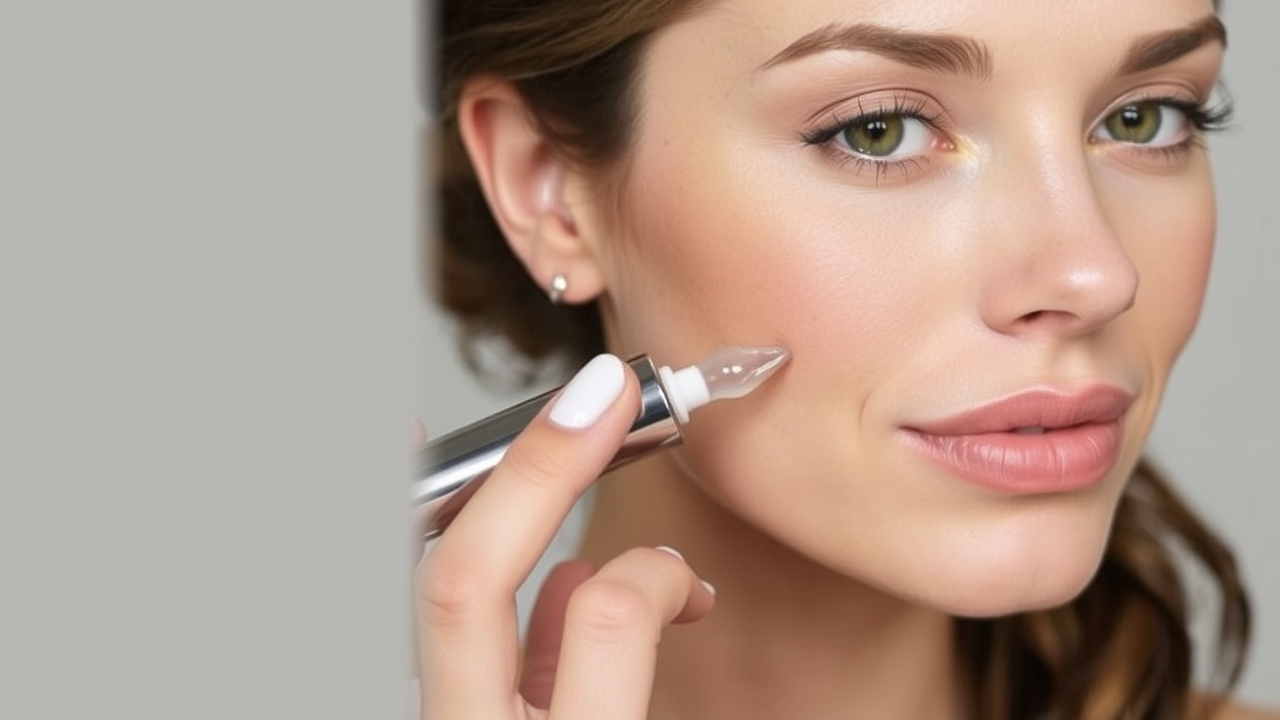
Why Dark Spots Show Up on Brides
Before diving into solutions, it’s useful to understand why dark spots appear. Most commonly, they’re the result of excess melanin production triggered by sun exposure, hormonal shifts, or minor skin trauma. Pregnancy, menopause, and even certain medications can amplify pigmentation. Knowing the root cause helps you pick the best approach.
Common Causes
- Sun damage: UV rays stimulate melanocytes, leading to age spots and sunspots.
- Hormonal changes: Pregnancy or birth control can cause melasma.
- Post‑inflammatory hyperpigmentation: Acne or eczema scars darken after healing.
- Genetics: Some people are predisposed to uneven pigmentation.
Understanding Your Skin Type
Before you choose products, identify whether you have oily, dry, combination, or sensitive skin. This determines which actives will work best and how your skin will react to treatments.


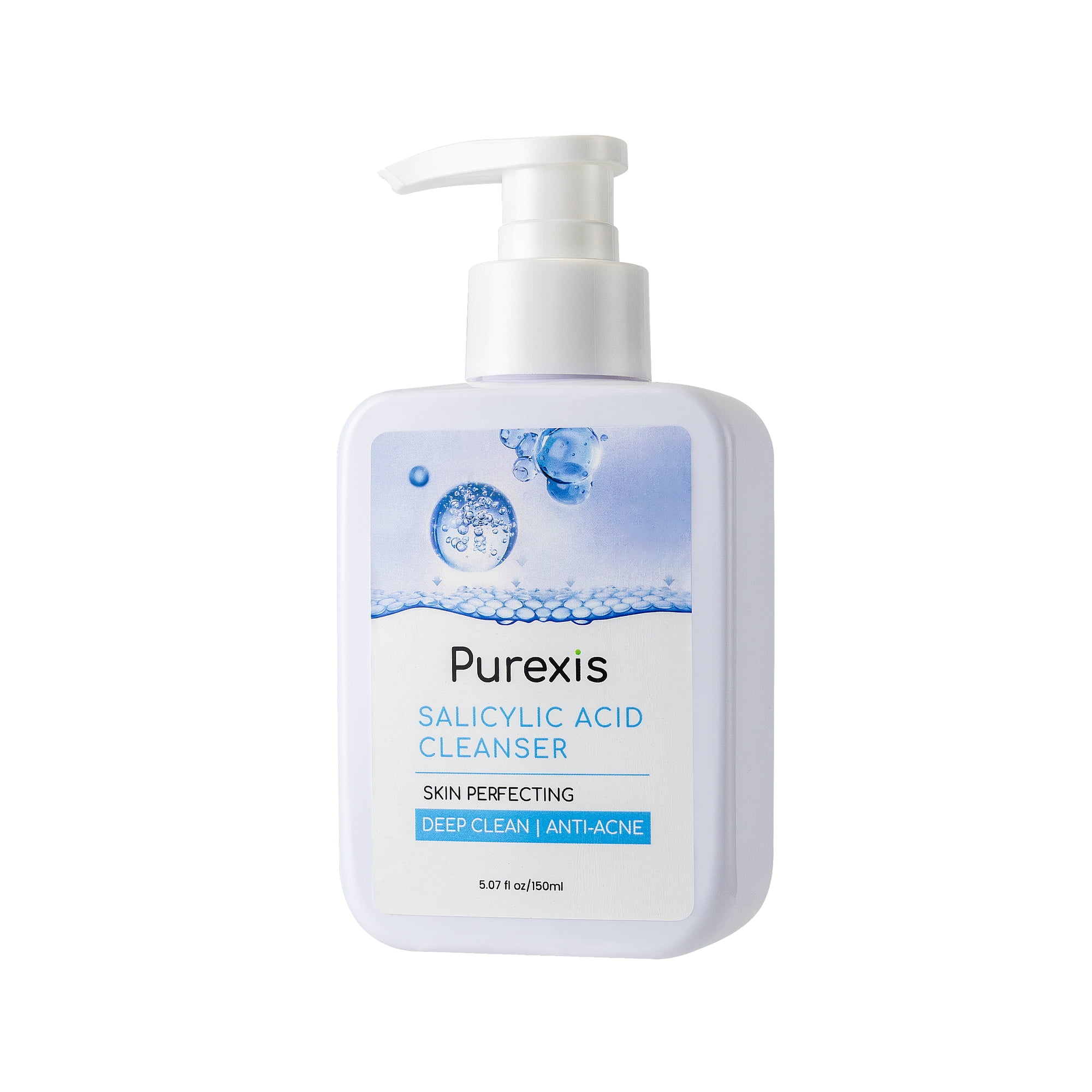
- Oily skin: Look for water‑based formulas and ingredients that reduce sebum, like niacinamide.
- Dry skin: Hydrating ingredients such as hyaluronic acid and ceramides are essential.
- Combination skin: Use a balanced routine that targets oily T‑zone while moisturizing cheeks.
- Sensitive skin: Avoid alcohol, fragrance, and high concentrations of acids.
Set a Realistic Timeline
Even if you only have a few weeks before your big day, you can still see noticeable improvement. Plan a 6‑to‑12‑week routine that includes daily care and a few specialist visits. The earlier you start, the better the results.
Daily Skincare Routine
Your foundation is a consistent, gentle regimen. Here’s a step‑by‑step guide:
- Cleanse: Use a mild, sulfate‑free cleanser twice daily to remove impurities without stripping natural oils.
- Tone: Apply an alcohol‑free toner to balance pH and prep the skin for treatments.
- Treat: Incorporate an active ingredient that targets pigmentation (see next section).
- Moisturize: Opt for a lightweight, non‑comedogenic moisturizer that hydrates without clogging pores.
- Sun Protection: Finish with a broad‑spectrum SPF 30+ every morning and reapply every two hours when outdoors.
Choosing the Right Treatment
When selecting a spot‑fading product, look for ingredients that inhibit melanin production or promote cell turnover:
- Vitamin C: Antioxidant that brightens and protects.
- Niacinamide: Reduces inflammation and lightens dark patches.
- Azelaic Acid: Works on post‑inflammatory marks and melasma.
- Alpha Hydroxy Acids (AHAs): Glycolic or lactic acid exfoliates surface cells, revealing fresher skin.
- Retinoids: Encourage rapid cell turnover; start with a low concentration to avoid irritation.
Natural Alternatives
For those who prefer a more organic route, these ingredients can support pigment reduction:
- Lemon Juice: Contains citric acid; apply sparingly, then rinse to avoid irritation.
- Honey: Its mild alpha‑hydroxy acids help with gentle exfoliation.
- Aloe Vera: Soothes skin and can reduce post‑inflammatory pigment.
- Cucumber Extract: Offers cooling properties that calm redness.
- Green Tea: Rich in polyphenols that combat UV damage.
Professional Options
When home care isn’t enough, consider medical treatments. Always consult a board‑certified dermatologist or licensed aesthetician before proceeding.
- Chemical Peels: Light to medium peels remove the top skin layer, stimulating renewal. Ideal for mild to moderate hyperpigmentation.
- Microdermabrasion: Removes dead cells and improves texture, best for surface spots.
- Laser Therapy: Targeted wavelengths break down excess melanin. Fractional CO₂ or IPL are common for melasma and age spots.
- Microneedling with serums: Promotes collagen production and can enhance topical absorption, especially when paired with vitamin C or niacinamide.
Pre‑Treatment Preparation
Before any in‑clinic procedure, follow these steps to maximize safety and results:
- Stop retinoids 48 hours before: This reduces irritation.
- Use a gentle cleanser: Avoid exfoliants 24 hours prior.
- Test for allergies: Patch test new products on the jawline.
- Hydrate: Drink water the day before to keep the skin supple.
Post‑Procedure Care
After treatments, give your skin the care it deserves:
- Keep the area clean: Use lukewarm water and a gentle cleanser.
- Moisturize: Apply a fragrance‑free, soothing cream.
- Sun protection: Avoid direct sun for 48 hours; use SPF 50+ afterward.
- Watch for redness: Mild redness is normal; severe swelling warrants a call.
- Follow up: Schedule a review appointment to assess progress.
Lifestyle Tweaks
Even the best routine can be undermined by external factors. Adjusting these habits amplifies results:
- Sleep: Aim for 7–8 hours nightly to support skin repair.
- Hydration: Drink at least 2 liters of water daily to keep skin plump.
- Nutrition: Foods high in vitamin C, E, and zinc support pigment control.
- Sun Protection: Wear wide‑brimmed hats and sunglasses; reapply sunscreen during outdoor events.
- Stress Management: Elevated cortisol can worsen pigmentation; consider yoga or meditation.
- Exercise: Regular movement boosts circulation, aiding nutrient delivery to the skin.
Choosing the Right Sunscreen
Sun exposure is the leading cause of dark spots. Here’s how to pick the best sunscreen:
- Broad‑spectrum: Protects against UVA and UVB rays.
- SPF 30+: Offers adequate protection for daily wear.
- Mineral vs. chemical: Mineral (zinc oxide or titanium dioxide) is gentler for sensitive skin; chemical filters are lighter but may cause irritation.
- Water‑resistant: Essential for outdoor ceremonies.
- Application technique: Use a pea‑size amount for the face and cover all exposed areas; reapply every two hours.
Pre‑Wedding Makeup Strategy
Even the most flawless skin needs a well‑planned makeup approach to hide lingering spots:
- Primer: Choose a color‑correcting primer that evens tone.
- Foundation: Pick a medium‑coverage formula that blends seamlessly.
- Concealer: Use a creamy concealer that matches your skin tone; apply in a small dot over spots.
- Setting Powder: A translucent powder locks the look and reduces shine.
- Setting Spray: Finish with a light mist for longevity.
Final Checklist
Before the big day, run through this quick review:
- Have you started your routine at least 8 weeks before the wedding?
- Are you using sunscreen daily?
- Did you schedule a professional consultation if needed?
- Have you tested all products on a small skin area to avoid reactions?
- Is your makeup kit ready with color‑correcting tools?
Frequently Asked Questions
1. How quickly can I see results from at-home treatments?
Visible improvement typically appears after 4–6 weeks of consistent use. Darker spots may take up to 12 weeks. Patience and adherence to the routine are key.
2. Are there any risks to using retinoids during pregnancy?
Retinoids are contraindicated during pregnancy due to potential teratogenic effects. Pregnant brides should opt for vitamin C, niacinamide, or azelaic acid instead.
3. Can I combine multiple actives like vitamin C and AHAs?
Yes, but introduce them gradually. For example, use vitamin C in the morning and AHA in the evening. Avoid using both at the same time to prevent irritation.
4. What should I do if a spot becomes darker after a treatment?
Stop the product immediately and consult a dermatologist. A temporary darkening can be a sign of irritation or post‑inflammatory hyperpigmentation that needs professional care.
5. How long should I wait before wearing a full‑coverage foundation?
After a chemical peel or laser session, wait 48–72 hours before applying heavy makeup. Use a light, breathable foundation to avoid clogging pores.
For further reading, see related references on Wikipedia.
Leave a Reply