
Pre wedding skincare routine
Why a Structured Plan Matters
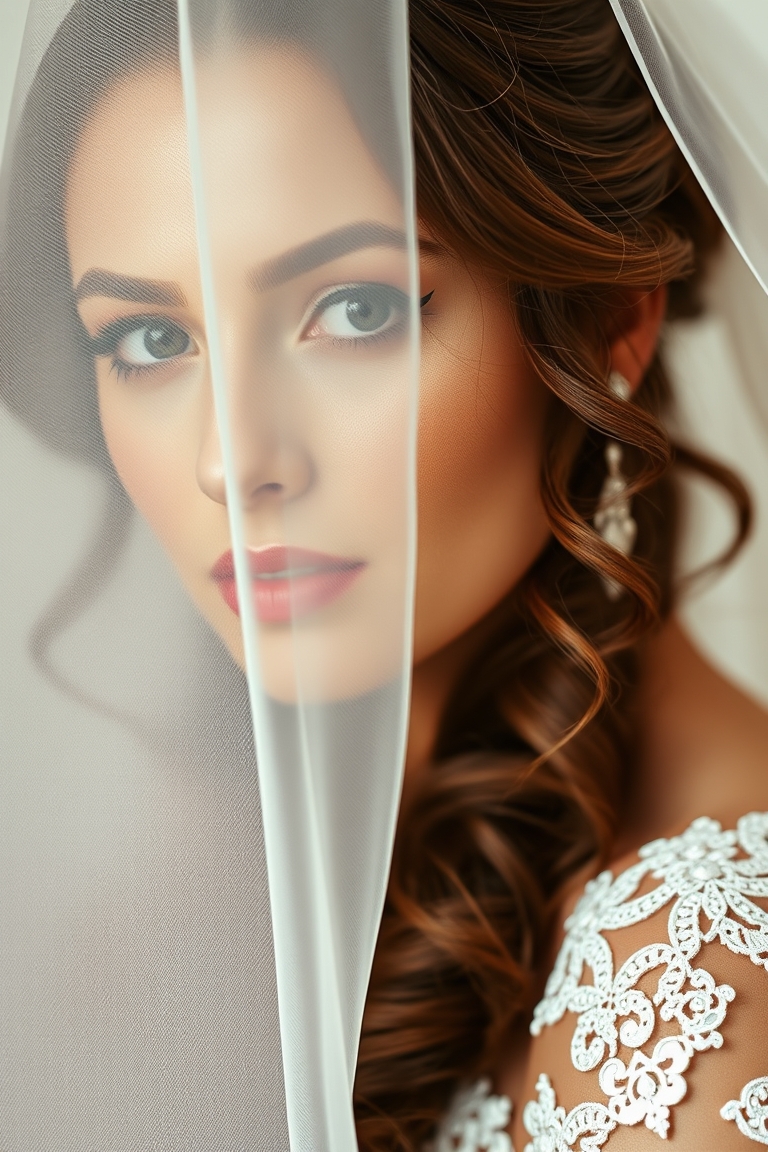
When you’re planning a wedding, the focus often shifts to dresses, flowers, and invitations. Yet the foundation of every stunning bridal look is healthy, glowing skin. A deliberate, month‑by‑month pre wedding skincare routine keeps your complexion on track, reduces surprises, and saves time on the day itself. Below is a comprehensive, practical guide that starts 12 weeks before the ceremony and ends with a final glow‑up the morning of.
Key Principles
- Consistency beats intensity. Daily habits are more impactful than occasional spa sessions.
- Listen to your skin. Adjust products and steps based on how your skin reacts.
- Hydration, protection, and gentle exfoliation are the trio that keeps skin balanced.
- Timing matters. Certain treatments work best when spaced out to avoid irritation.
Month 1: Establish a Baseline (Weeks 12‑8)
Step 1 – Cleanse Twice Daily
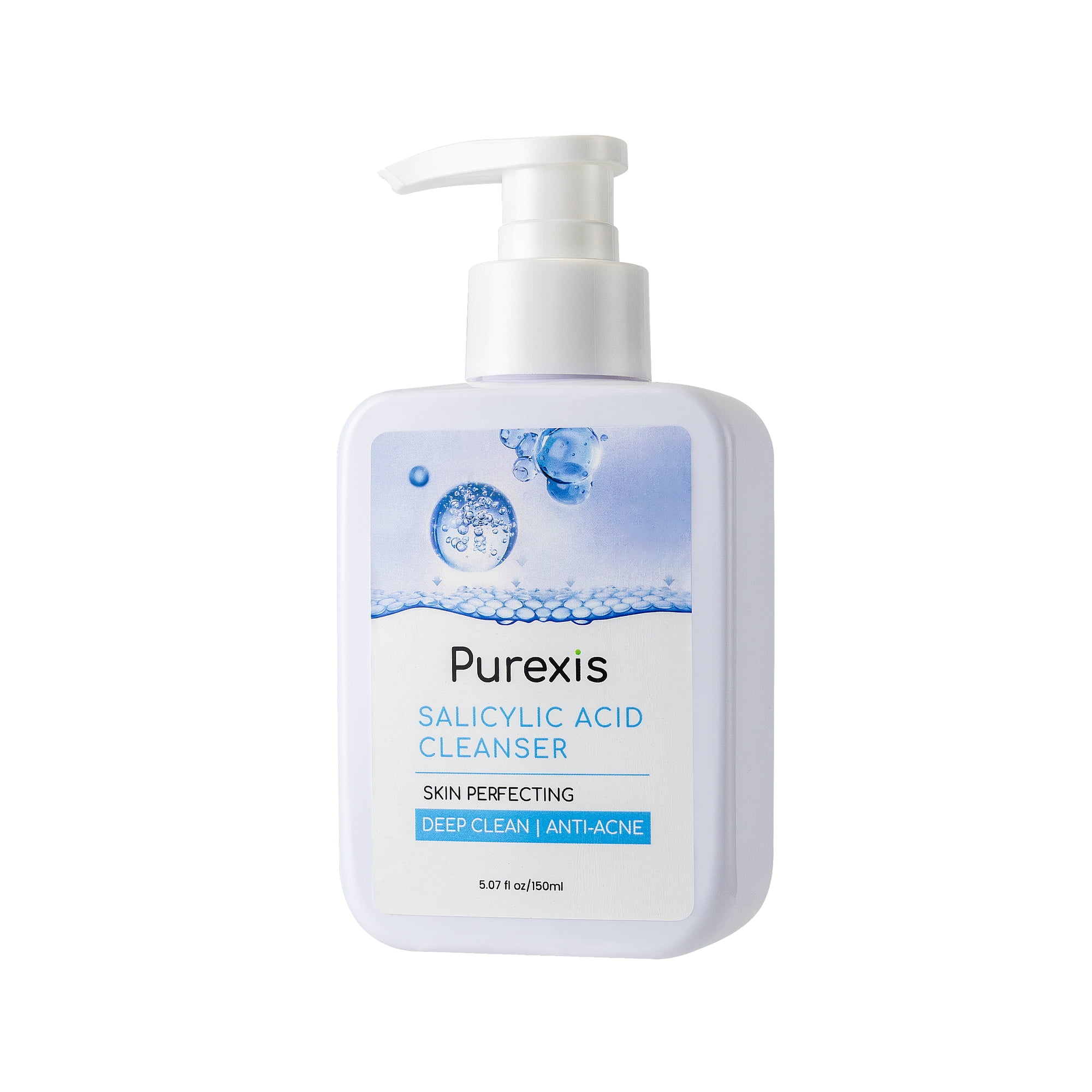
Choose a mild, sulfate‑free cleanser that removes makeup and impurities without stripping natural oils. Aim for a creamy texture that lathers gently. Cleanse in the morning and evening, rinsing with lukewarm water.


Step 2 – Exfoliate 1–2 Times a Week
Introduce a gentle chemical exfoliant (AHA or BHA) to remove dead skin cells. Use it in the evening, leaving the skin to rest for a day or two before the next exfoliation. This promotes cell turnover and a smoother canvas.
Step 3 – Moisturize Daily
Apply a lightweight yet nourishing moisturizer that contains ceramides and hyaluronic acid. Massage in upward strokes to aid circulation. If you have oily patches, a gel‑based formula works well.
Step 4 – Sun Protection
Apply broad‑spectrum SPF 30+ every morning, even on cloudy days. Reapply every 2–3 hours if you’ll be outdoors. Sun damage is a major factor that can dull your glow before the big day.
Step 5 – Weekly Mask
Use a hydrating sheet mask or a clay mask (depending on your skin type) once a week to give your skin a boost. Rotate between them to address both hydration and oil control.
Step 6 – Lifestyle Adjustments
- Sleep 7–9 hours nightly to reduce dark circles.
- Stay hydrated—aim for 2–3 liters of water daily.
- Limit alcohol and caffeine; they can dehydrate the skin.
Month 2: Build Radiance (Weeks 8‑4)
Step 1 – Introduce Antioxidants
Add a vitamin C serum in the morning to neutralize free radicals and brighten the complexion. Use a pea‑sized amount and allow it to absorb before sunscreen.
Step 2 – Retinoid Integration
Begin nightly retinol (or a gentle retinoid) 2–3 times a week. Start with 0.1% concentration to assess tolerance. Retinoids accelerate cell turnover and smooth fine lines.
Step 3 – Targeted Treatments
If you have specific concerns—such as hyperpigmentation or acne scars—apply a spot treatment after cleansing and before moisturizer. Ingredients like niacinamide or azelaic acid can be effective.
Step 4 – Hydration Boost
Incorporate a hydrating toner or essence containing glycerin or rose water. This layer locks in moisture and prepares the skin for serums.
Step 5 – Professional Facials
Schedule a gentle facial at a reputable spa every 4–6 weeks. Focus on a non‑aggressive approach: steam, extraction (if needed), and a soothing mask. Avoid chemical peels or micro‑needling until the last month.
Month 3: Fine‑Tuning (Weeks 4‑1)
Step 1 – Reduce Product Layering
At this stage, your skin should be resilient. Simplify by removing any non‑essential products. Keep cleanser, serum, moisturizer, and sunscreen.
Step 2 – Light Exfoliation
Limit exfoliation to once a week to prevent irritation. Use a gentle enzyme mask if you wish to keep the routine light.
Step 3 – Focus on the Eye Area
Apply a nourishing eye cream with peptides or caffeine to reduce puffiness and dark circles. Gently tap to avoid tugging.
Step 4 – Night‑Time Glow
Consider a hydrating overnight mask or a small amount of facial oil (e.g., rosehip) for added nourishment.
Step 5 – Final Prep for the Day
One week before the wedding, start a “no makeup” day to see how your skin looks naturally. This helps the makeup artist choose the right foundation shade.
On the Wedding Day
Morning Routine
- Cleanse with a gentle micellar water.
- Apply a hydrating mist or toner.
- Use a lightweight serum (e.g., vitamin C) and a pea‑sized amount of moisturizer.
- Finish with SPF 30+ sunscreen.
Throughout the Day
Carry a small blotting paper and a miniature hydrating mist to refresh the complexion between shots.
Common Mistakes to Avoid
- Skipping sunscreen. UV exposure can cause redness and break down collagen, even on a single day.
- Over‑exfoliating. Too much chemical or physical exfoliation can strip the barrier and lead to sensitivity.
- Introducing new products too close to the wedding. Always test a new ingredient at least 4–6 weeks before the big day.
- Ignoring the eye area. The skin here is thin; neglecting it can leave visible puffiness in photos.
- Neglecting sleep. A lack of rest can cause dark circles and a dull complexion.
Customizing for Different Skin Types
Oily/Combination Skin
- Use a foaming cleanser with salicylic acid.
- Incorporate a lightweight gel moisturizer.
- Limit retinol to 2 nights a week to prevent excess oiliness.
- Use blotting sheets during the day instead of heavy powders.
Dry/Dehydrated Skin
- Choose a cream‑based cleanser with ceramides.
- Apply a richer moisturizer with shea butter or squalane.
- Use a hydrating serum with hyaluronic acid twice daily.
- Include a weekly hydrating mask with glycerin or honey.
Sensitive Skin
- Opt for fragrance‑free, hypoallergenic products.
- Patch test any new ingredient for 48 hours.
- Use a barrier repair cream with niacinamide.
- Avoid retinoids until the 4th week, then start with a very low concentration.
Lifestyle & Nutrition Boosts
- Dietary Focus: Incorporate omega‑3 rich foods (salmon, walnuts), antioxidants (berries, leafy greens), and vitamin C sources (citrus, bell peppers).
- Hydration Hacks: Infuse water with cucumber or lemon for flavor, and carry a reusable bottle to sip throughout the day.
- Stress Management: Practice daily 10‑minute breathing exercises or a short walk to lower cortisol, which can worsen skin breakouts.
- Sleep Routine: Use a silk pillowcase to reduce friction and keep the skin barrier intact.
Professional Treatments & Timing
While the routine above can be done at home, a few in‑clinic treatments can accelerate results:
- Micro‑dermabrasion (Weeks 8‑6): Gently increases exfoliation without damaging the surface.
- LED Light Therapy (Weeks 6‑4): Blue light for acne, red light for collagen boost.
- Hydra‑Facial (Week 3): Deep cleansing, extraction, and hydration in one session.
- Dermatologist‑prescribed retinoid (Week 2): If you need a stronger retinoid, a professional can guide usage.
After the Wedding: Quick Recovery
Post‑event skin can feel tired. Adopt a gentle routine:
- Cleanse with a mild, fragrance‑free cleanser.
- Apply a soothing serum with centella asiatica or aloe.
- Use a hydrating sheet mask once a day.
- Skip makeup for a day to let the skin breathe.
Frequently Asked Questions (Expanded)
- What is the best pre wedding skincare routine for oily skin? Focus on lightweight, oil‑free products, avoid heavy creams, and include a clay mask once a week. Use a salicylic acid cleanser and a gel moisturizer with niacinamide to keep pores clear and shine under control.
- How far in advance should I start my pre wedding skincare routine? Ideally, begin 12 weeks before the ceremony to allow time for gradual improvements. Starting earlier is fine if you have time‑intensive treatments, but 12 weeks gives a safe buffer for any unexpected changes.
- Can I use retinoids close to the wedding? Yes, but limit to 2–3 nights per week and avoid the week before the big day to reduce sensitivity. If you’re using a prescription retinoid, consult your dermatologist for a tapering schedule.
- Is a professional facial necessary? Not mandatory, but a gentle facial can boost circulation and remove impurities. Choose a non‑aggressive approach and schedule it at least 4 weeks before the wedding.
- Pre wedding skincare routine for sensitive skin? Use fragrance‑free, hypoallergenic products, patch‑test new ingredients, and avoid retinoids until the 4th week. A barrier repair cream with niacinamide and ceramides will help soothe irritation.
- Can I incorporate a chemical peel? A mild AHA peel (e.g., 10% glycolic) can be done 2–3 weeks before the wedding, but avoid any aggressive peels within 4 weeks of the ceremony to prevent redness.
- What about makeup concerns? A “no‑makeup” test day a week before the wedding helps the makeup artist match foundation and ensures you’re comfortable with the look.
- How do I handle acne breakouts? Use a salicylic acid cleanser, niacinamide serum, and spot treatment with benzoyl peroxide. Keep retinoid usage to 2 nights a week and monitor for irritation.
- Should I use a face mask on the wedding day? Keep it simple: a hydrating mist or a lightweight sheet mask in the morning is enough; heavy masks can cause redness.
- What if I have eczema? Use a fragrance‑free moisturizer with ceramides, avoid exfoliation, and consult a dermatologist for a tailored plan.
Key Takeaways & Final Checklist
- Start 12 weeks before the wedding for a gradual, safe improvement.
- Prioritize hydration, sun protection, and gentle exfoliation.
- Adjust product intensity based on skin type and tolerance.
- Schedule professional treatments 4–6 weeks before the event.
- Carry a quick‑refresh kit (blotting paper, mist) for the wedding day.
- Plan a “no‑makeup” day a week before to fine‑tune foundation shade.
- After the wedding, give your skin a gentle, soothing routine.
Follow this month‑by‑month plan to arrive at your wedding with radiant, healthy skin that looks as beautiful in photos as it does in person. Remember, the key is consistency, gentle care, and listening to your skin’s needs. Good luck, and enjoy your special day!
For further reading, see related references on Wikipedia.
Leave a Reply